
That moment of shock when the market woman tells you the price of a basket of tomatoes is now double what you paid last month is an experience every Nigerian can relate to. With food inflation hovering around 30%, just keeping your kitchen stocked can feel like a full-time job. But what if you could cut your food bill by 20-40% without resorting to eating only garri and groundnuts? It’s not about starving; it’s about shopping smarter.
This article provides practical, Nigeria-specific strategies to help you drastically reduce your food expenses. You'll learn how to navigate local markets, plan your meals effectively, and use tools like TrustAm to track your spending and stick to a budget.
The most significant change you can make to your food budget is choosing where you shop. While supermarkets offer air conditioning and convenience, local markets are where you'll find the best prices for most of your food items, especially fresh goods. The price difference can be staggering.
For example, in 2026, you can expect to see these kinds of price disparities:
The strategy is simple: buy your fresh produce, grains, tubers (yam, potatoes), and proteins at the local market. Reserve your supermarket trips for specific packaged goods, dairy, and items you can't find elsewhere.
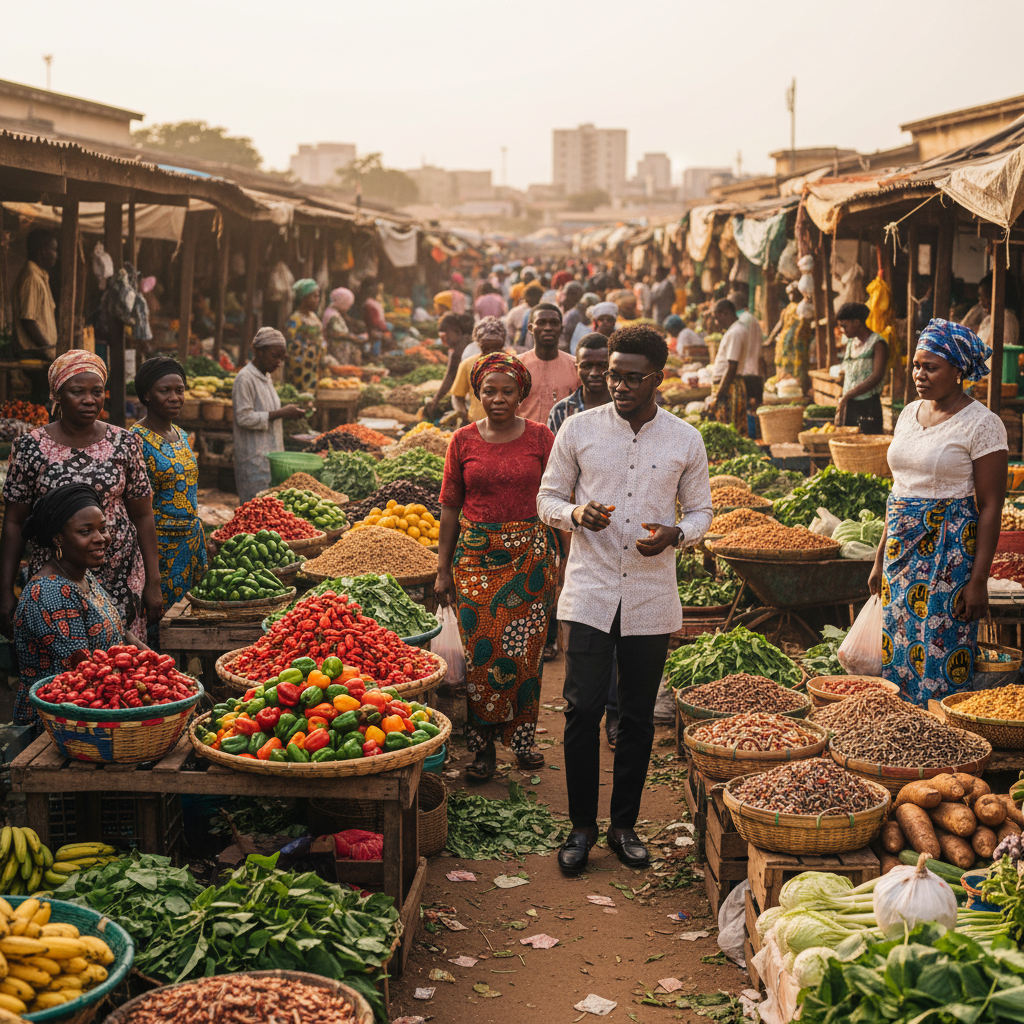
Walking into a market without a plan is like going into battle without a weapon—you're guaranteed to lose to impulse buys. A weekly meal plan and a corresponding shopping list are your strongest defense against overspending and food waste.
Here’s a simple process to follow:
Sticking to your list prevents you from buying that extra bunch of ugwu you don't need or that tempting snack that wasn't part of the plan. It’s the single most effective habit for saving money on food.
Buying non-perishable staples in bulk is a classic money-saving technique. A 50kg bag of rice is cheaper per kilogram than buying 10 separate 5kg bags. However, for many young Nigerians living in smaller apartments, storing a massive bag of rice or a keg of palm oil isn't practical, and the upfront cost can be high.
The solution? A mini co-op or ajo for groceries.
A word of caution: only do this for items you know you will consume. Bulk-buying perishables like yams or plantains is a bad idea unless you have a concrete plan to cook and freeze them immediately.

Let's be honest, life in Lagos or Abuja is hectic. There will be weeks when you're too exhausted to cook. In these moments, the temptation to order from expensive restaurants can destroy your budget. But there's a smarter, more affordable middle ground: local food service providers.
Instead of ordering a single meal for ₦7,000, what if you could get a whole pot of delicious soup or a tray of small chops for a small get-together for a fraction of the cost per person? This is where the TrustAm marketplace becomes your secret weapon. You can find and book verified local food vendors right in your neighbourhood.
Looking for trusted food vendors near you? Browse verified caterers, bakers, and small chops makers with payment-backed reviews and escrow protection.
Create a Free Account →By using TrustAm, you can see transparent pricing, read reviews from other customers, and pay securely through an escrow system. This means your money is held safely until you confirm you've received your order as described. It's the perfect way to get affordable, home-style meals without the stress of cooking, and it's far cheaper than mainstream food delivery apps.
Tired of wondering where your food money goes? TrustAm's AI budgeting tool tracks your spending automatically, helping you stick to your grocery budget and save more. Find trusted food vendors for your next event, all in one app.
Create Your Free Account →Join 50,000+ Nigerians already using TrustAm to manage their money smarter.
A realistic monthly food budget for a single person in a major Nigerian city like Lagos or Abuja can range from ₦60,000 to ₦120,000 in 2026. This assumes you are primarily cooking your own meals and shopping at local markets. Your actual spending will depend heavily on your dietary choices, cooking habits, and how often you eat out.
For fresh produce (like tomatoes, peppers, vegetables), grains (rice, beans), and meat, it is almost always significantly cheaper to shop at a local open-air market. Supermarkets are generally more expensive for these items but offer the convenience of one-stop shopping and a wider variety of packaged and imported goods.
You can reduce food waste by planning your meals weekly, using a strict shopping list to avoid overbuying, and storing food correctly. Embrace your freezer: cook in batches and freeze leftovers for easy meals later. Also, practice the "first-in, first-out" method with your pantry items to ensure you use older products before they expire.
A realistic monthly food budget for a single person in a major Nigerian city like Lagos or Abuja can range from ₦60,000 to ₦120,000 in 2026. This assumes you are primarily cooking your own meals and shopping at local markets. Your actual spending will depend heavily on your dietary choices, cooking habits, and how often you eat out.
For fresh produce (like tomatoes, peppers, vegetables), grains (rice, beans), and meat, it is almost always significantly cheaper to shop at a local open-air market. Supermarkets are generally more expensive for these items but offer the convenience of one-stop shopping and a wider variety of packaged and imported goods.
You can reduce food waste by planning your meals weekly, using a strict shopping list to avoid overbuying, and storing food correctly. Embrace your freezer: cook in batches and freeze leftovers for easy meals later. Also, practice the "first-in, first-out" method with your pantry items to ensure you use older products before they expire.
Disclaimer: This article is for informational purposes only and does not constitute financial advice. Always consult a qualified financial professional before making major financial decisions.
Disclosure: This article is published by TrustAm, a financial services company. Some links in this article may direct to our own products.
Try these free calculators and tools related to this article.
Plan your monthly budget for living in Lagos with realistic cost breakdowns.
Use free tool →Plan your monthly budget for living in Abuja with realistic cost breakdowns.
Use free tool →Plan your monthly budget for living in Port Harcourt.
Use free tool →Plan your monthly budget for living in Ibadan with affordable cost breakdowns.
Use free tool →

