
Sample Monthly Budget for ₦750,000 Earners in Nigeria (2026)
Sample Monthly Budget for ₦750,000 Earners in Nigeria (2026)
Earning ₦750,000 a month in Nigeria puts you in a solid position, well above the national average. It’s a salary that offers comfort, but as anyone living in Lagos, Abuja, or Port Harcourt knows, that money can vanish faster than NEPA light during a storm. With inflation hovering around 30% in 2026, making that ₦750k work for you requires more than just hope; it requires a plan. This isn't about cutting out all your enjoyment; it's about being intentional so you can live well today while building a secure future.
Overview & Key Takeaways
This article provides a detailed, realistic monthly budget for a ₦750,000 salary in Nigeria, based on the 50/30/20 principle. We break down spending across needs, wants, and savings, offering actionable strategies to manage costs in major cities and build long-term wealth.
- Adopt the 50/30/20 Framework: Allocate approximately ₦375,000 (50%) for Needs, ₦225,000 (30%) for Wants, and ₦150,000 (20%) for Savings & Investments.
- Cap Your Housing Costs: Your rent and utilities should not exceed ₦180,000 (around 25% of your income) to avoid being "house poor" in expensive cities.
- Automate Your Financial Life: Use an app like TrustAm to automatically track your spending, categorize expenses, and monitor your progress towards your budget goals without manual spreadsheets.
- Pay Yourself First, Always: The day you receive your salary, automatically transfer at least ₦150,000 to your savings and investment accounts before you spend a dime.
- Use Escrow for All Services: Protect your budget from scams and shoddy work when hiring artisans. Use TrustAm's escrow payment to ensure you only pay for services like car repairs or plumbing when the job is done to your satisfaction.
The 50/30/20 Rule: A Nigerian Reality Check
The 50/30/20 rule is a simple budgeting guideline: 50% of your after-tax income goes to Needs, 30% to Wants, and 20% to Savings and Investments. For a ₦750,000 monthly salary, this translates to a clear spending plan: ₦375,000 for needs, ₦225,000 for wants, and a healthy ₦150,000 for savings and building your future. While straightforward, the Nigerian reality of high inflation and costs like "Black Tax" means we have to be smart about how we define these categories.
- Needs (50% - ₦375,000): These are your absolute essentials. Think rent, groceries, transportation to work, utility bills (NEPA, waste), data, and generator fuel.
- Wants (30% - ₦225,000): This is your lifestyle money. It covers dining out, streaming subscriptions (Netflix, Spotify), shopping for clothes, owambe weekends, and personal care.
- Savings & Investments (20% - ₦150,000): This is the money that works for you. It includes building an emergency fund, investing in stocks or mutual funds, and paying down high-interest debt.
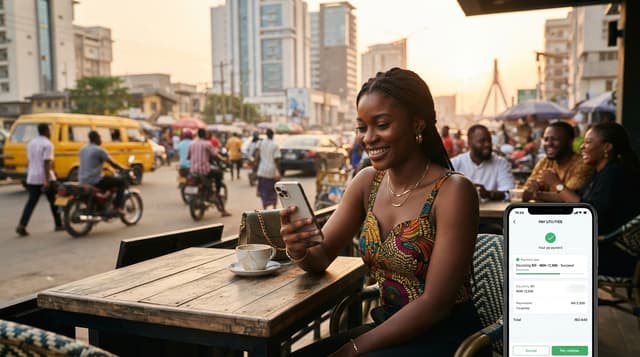
Manually tracking this can be a headache. That's where technology steps in. The TrustAm app connects to your bank accounts and uses AI to automatically categorize your spending into these buckets, giving you a real-time view of your financial health without the stress of spreadsheets.

The Breakdown: A Sample ₦750,000 Monthly Budget for 2026
A sample monthly budget for a ₦750,000 earner allocates around ₦150,000 for rent, ₦80,000 for food, ₦50,000 for transportation, and ₦60,000 for utilities and data. This detailed breakdown provides a realistic template you can adapt based on your location (Lagos vs. Ibadan) and lifestyle choices.
Here’s a practical look at how your ₦750,000 could be allocated, assuming you live in a major city like Lagos or Abuja.
- Housing (Rent): ₦150,000 (Decent mini-flat in areas like Gbagada, Surulere, or Jahi)
- Groceries & Feeding: ₦80,000
- Transportation (Fuel/Ride-hailing): ₦50,000
- Utilities (PHCN, Waste, Security): ₦25,000
- Generator Fuel & Maintenance: ₦35,000
- Internet & Airtime: ₦15,000
- Health (Insurance/Minor Expenses): ₦20,000
- Family Support (Black Tax): ₦50,000
- Eating Out & Takeaways: ₦40,000
- Shopping (Clothes, Gadgets): ₦40,000
- Personal Care (Hair, Nails, Grooming): ₦30,000
- Entertainment & Socializing: ₦30,000
- Subscriptions (Streaming, Apps): ₦10,000
- Miscellaneous/Flex Money: ₦25,000
- Emergency Fund: ₦50,000
- Investments (Mutual Funds, Stocks): ₦75,000
- Sinking Fund (Car, Vacation, Rent): ₦25,000
How to Tame Your "Needs" and Avoid Sapa
To effectively manage your essential spending, you must tackle the biggest items head-on, particularly housing, food, and maintenance. This is where strategic choices can free up significant cash without sacrificing your quality of life. Unexpected expenses, like a faulty generator or a plumbing disaster, can completely derail your budget if you're not careful.
Here's how to keep your "Needs" in check:
- Be Smart About Housing: Instead of Lekki Phase 1, consider well-connected areas like Agungi, Gbagada, or parts of Surulere. In Abuja, look at areas like Lugbe or Kubwa which offer better value for money than Maitama or Asokoro.
- Buy Food in Bulk: A trip to a major market like Mile 12 in Lagos or Garki Model Market in Abuja once a month for staples is far cheaper than frequent visits to pricey supermarkets.
- Protect Yourself from Shady Artisans: Your generator mechanic or plumber can drain your account with inflated bills and poor work. This is a major budget risk. Instead of finding someone on the street, use the TrustAm marketplace to hire verified technicians. You can see their prices, read reviews from other users, and most importantly, your payment is held in escrow. The technician only gets paid after you confirm the job is done right. This single feature can save you tens of thousands of Naira.
Find Verified Providers on TrustAm
Looking for trusted home service professionals near you? Browse verified providers with payment-backed reviews and escrow protection.

Making Your "Wants" Work for You
Managing your "wants" isn't about deprivation; it's about intentional spending on things that truly bring you joy. You can live a fantastic life by being strategic. This means getting the best value for your money, whether it's for entertainment, shopping, or personal care.
- Create Spending Pockets: Use the budgeting tools in the TrustAm app to create specific categories for "Eating Out," "Shopping," or "Personal Care." You can set monthly limits and get notifications when you're close to exceeding them.
- Find Affordable Luxury: Looking good doesn't have to cost a fortune. Instead of going to an overpriced salon in VI, you can find top-rated, verified nail technicians, barbers, or makeup artists on the TrustAm marketplace. You can compare their portfolios and book appointments directly, often at a better price and with the assurance of quality from payment-backed reviews.
- Host More, Go Out Less: Restaurant and bar bills add up quickly. Consider hosting potlucks or game nights at your place. It's often more memorable and much kinder to your wallet.
- Audit Your Subscriptions: Are you really watching DSTV, Netflix, and Amazon Prime? Cut the ones you barely use.
Building Wealth: Your Savings & Investment Strategy
Your savings rate is the most powerful indicator of your future wealth. At ₦150,000 per month (20% of your income), you're in an excellent position to build a solid financial foundation quickly. The key is to make this process automatic and disciplined.
Here is your 3-step plan:
- Automate Your Savings: This is non-negotiable. Set up a standing order to move ₦150,000 from your salary account to a separate savings or investment account on the 1st of every month. Treat it like a bill you have to pay.
- Build Your Emergency Fund First: Before you chase high returns, build a safety net. Your goal should be 3-6 months of your essential expenses (approx. ₦1.1M - ₦2.2M). Keep this in a high-yield savings account where it's accessible but not too easy to spend.
- Invest for the Long Term: Once your emergency fund is full, direct your monthly ₦150,000 towards investments that can outpace Nigeria's high inflation rate. Consider a mix of:
- Dollar-Denominated Mutual Funds: To protect your capital from Naira devaluation.
- Nigerian Stocks: Invest in solid, dividend-paying companies on the NGX.
- High-Yield Fixed Income: Look into corporate bonds or commercial papers for better returns than standard savings.
The TrustAm app allows you to aggregate all your bank and investment accounts in one dashboard. This gives you a clear, consolidated view of your net worth, helping you stay motivated as you watch your wealth grow month after month.
Take Control of Your Finances with TrustAm
Tired of your salary disappearing before the 15th? TrustAm's AI budgeting tool automatically tracks your spending, helps you stick to your goals, and shows you where every Naira goes. Take control of your ₦750k salary today.
Create Your Free Account →Join 50,000+ Nigerians already using TrustAm to manage their money smarter.
Frequently Asked Questions
Is ₦750,000 a good salary in Nigeria in 2026?
Yes, earning ₦750,000 per month is considered a very good salary in Nigeria for 2026. It places you comfortably in the upper-middle class, well above the national average income. However, its purchasing power depends heavily on your location and lifestyle, as the cost of living in cities like Lagos and Abuja requires diligent budgeting to maximize its value.
How much rent can I afford on a ₦750k salary?
Financial experts advise spending no more than 25-30% of your monthly income on housing. On a ₦750,000 salary, you should aim for a rent between ₦187,500 and ₦225,000 per month. Sticking closer to the 25% mark (₦187,500) will give you more flexibility in other areas of your budget.
What is the best way to track my expenses in Nigeria?
The most efficient way to track expenses in Nigeria is by using a modern personal finance app that connects securely to your Nigerian bank accounts. Apps like TrustAm automate the process by categorizing your transactions (e.g., transport, food, bills), providing you with clear spending analytics and insights without the need for manual entry in a spreadsheet.
How can I save money on services like home repairs?
To save money and avoid getting scammed by artisans, use a trusted services marketplace like TrustAm. You can compare quotes from multiple verified professionals, read payment-backed reviews from previous customers, and use an escrow payment system. This ensures you only pay when the job is completed to your satisfaction, protecting your money and budget.
Find verified service providers
Verified providers. Payment held safe until the job is done. Reviews only from real, paid bookings.
Download TrustAm
AI-powered budgeting, instant P2P payments, and escrow protection. Built for Nigeria.
Or get a download link sent to your phone
Chisom Anen
Founder and CEO of TrustAm. Building Nigeria's reputation marketplace for verified service providers. Reviews unlock only after real payments.
Disclaimer: This article is for informational purposes only and does not constitute financial advice. Always consult a qualified financial professional before making major financial decisions.
Disclosure: This article is published by TrustAm, a financial technology company. Some links in this article may direct to our own products.
Sources & References
- Central Bank of Nigeria — Consumer Protection— cbn.gov.ng
- BudgIT — Budget Tracking— budgit.org
- National Bureau of Statistics— nigerianstat.gov.ng
Related Articles


Free Tools You Might Find Useful
Try these free calculators and tools related to this article.
Lagos Budget
Plan your monthly budget for living in Lagos with realistic cost breakdowns.
Use free tool →Abuja Budget
Plan your monthly budget for living in Abuja with realistic cost breakdowns.
Use free tool →Ibadan Budget
Plan your monthly budget for living in Ibadan with affordable cost breakdowns.
Use free tool →PH Budget
Plan your monthly budget for living in Port Harcourt, Nigeria.
Use free tool →