What to Look for When Hiring a fashion designer in Nigeria
What to Look for When Hiring a fashion designer in Nigeria
We’ve all heard the horror stories. The Aso-Ebi fabric you paid ₦80,000 for, handed to a designer promising heaven and earth, only to receive an outfit two sizes too small the morning of the wedding. Or worse, the designer's phone number suddenly stops existing a week to your event. Hiring a fashion designer in Nigeria can feel like a gamble, but it doesn't have to be. Getting that perfect, head-turning outfit for your next owambe or even a sharp custom suit for work is possible if you know exactly what to look for.
Overview & Key Takeaways
This guide breaks down the essential factors to consider when hiring a fashion designer in Nigeria, from vetting their portfolio to securing your payment. You'll learn how to spot red flags and find reliable professionals who deliver on their promises.
- The single most important step is to use a platform with escrow protection, like TrustAm, to ensure your money is safe until you are satisfied with the final outfit.
- A designer's portfolio should showcase their actual finished work, not just inspiration photos from Pinterest. Look for consistency and quality finishing.
- Genuine, payment-backed reviews are more reliable than curated Instagram comments. They reveal a designer's true professionalism and timeliness.
- Always get a clear, itemized quote that breaks down the cost of fabric, labour, and any embellishments before making a deposit.
- Agree on a realistic timeline, including fittings and a final collection date, and get it in writing or logged within a booking app.
Fashion Designers on TrustAm
Book with escrow protection. If a job isn't done right, open a dispute and our team steps in.

Ejiofor Eke
Service Provider · Enugu
- Payment protected by escrow
- Money released only after you confirm the job
Suraj Abdullateef
Service Provider
- Payment protected by escrow
- Money released only after you confirm the job
Unisex republic
Service Provider · Aba
- Payment protected by escrow
- Money released only after you confirm the job

My business name is Tailored Signature Hub
Service Provider · Abuja gwarinpa
- Payment protected by escrow
- Money released only after you confirm the job

ISHAKA ISAH
Service Provider · Ijebu-Ode
- Payment protected by escrow
- Money released only after you confirm the job

Oluwatobiloba Oyadeyi
Service Provider · Ijebu-Ode
- Payment protected by escrow
- Money released only after you confirm the job
1. The Portfolio is Your First Clue
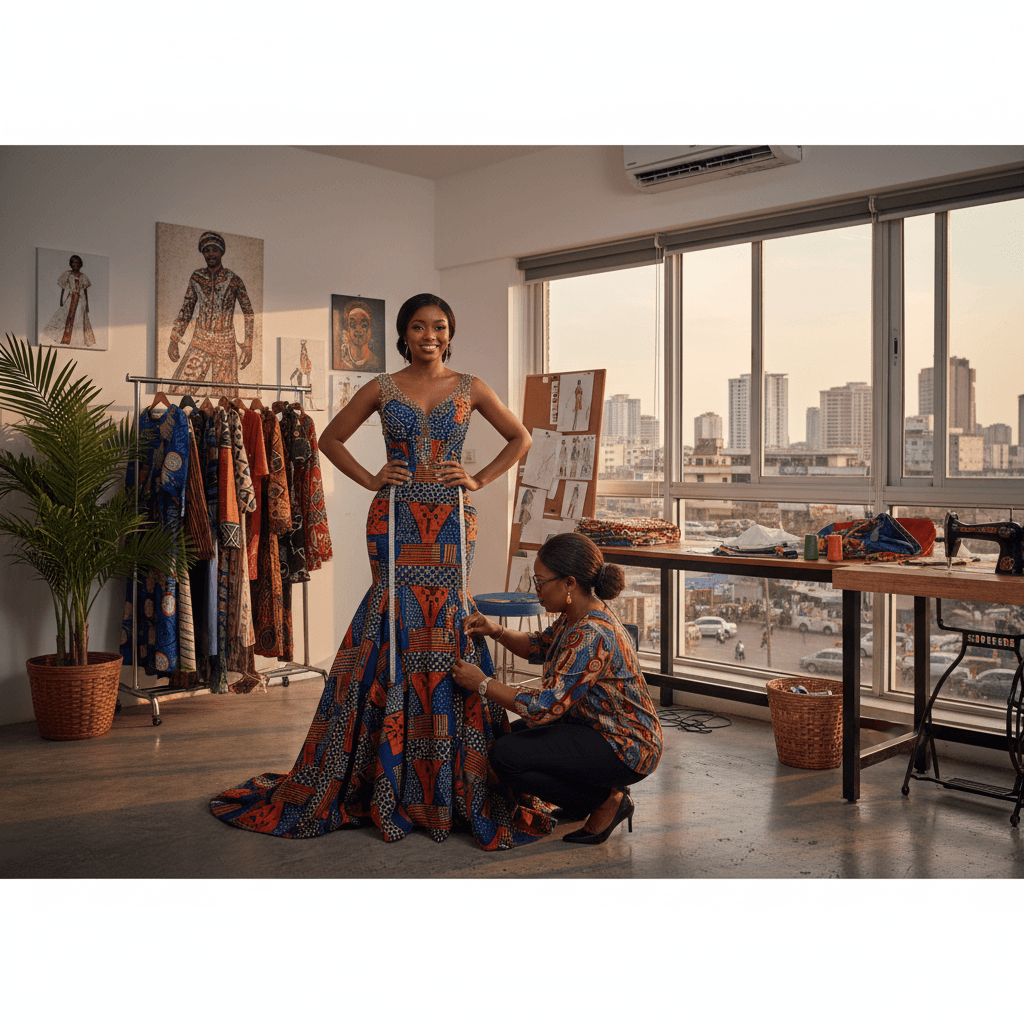
A fashion designer's portfolio is the most critical tool for evaluating their skill, style, and consistency. Before you even slide into their DMs, take a deep dive into their body of work. A professional designer will have a curated collection of high-quality photos and videos showcasing clothes they have actually made for real clients.
Be wary of designers whose pages are filled only with stylish sketches or pictures reposted from other international designers. You need to see what they can do. Here’s a checklist for vetting a portfolio:
- Finishing and Details: Zoom in on the pictures. Are the seams straight? Is the neckline neat? Are the zipper and buttons well-fixed? Poor finishing is a major red flag that signals a lack of skill or care.
- Style Specialization: Does the designer have a specific niche? Some are masters of intricate trad wear and Aso-Ebi, while others excel at sharp corporate outfits or flowing evening gowns. Choose a designer whose style aligns with the outfit you have in mind.
- Consistency: Look through at least 20-30 of their designs. Is the quality consistent across all of them, or are there a few good pieces mixed with many mediocre ones? Consistency shows they have a reliable process and standard of quality.
- Client Photos: It's a great sign when a designer posts photos of their actual clients wearing the outfits. It shows they have happy customers and that their clothes look good on real bodies, not just mannequins.
On the TrustAm marketplace, verified fashion designers upload their portfolios directly to their profiles. This allows you to see their work and, more importantly, connect it directly to reviews from people who have paid for those services.
2. Reviews and Reputation: What Are People *Really* Saying?
Look beyond the curated comments on a designer's Instagram page. Genuine reviews from past clients provide unbiased insights into their professionalism, timeliness, and the actual quality of their work. A designer with 50,000 followers but no verifiable testimonials is a risk.
The problem with social media reviews is that a designer can easily delete negative comments or pay for fake positive ones. So, how do you find the truth? Word-of-mouth from trusted friends is a good start, but it limits your options. The most reliable method is a platform with a closed-loop review system. This is where TrustAm changes the game for finding reliable service providers in Nigeria.
TrustAm's reviews are payment-backed. This means only a client who has booked and paid the designer through the app can leave a review. This simple feature makes it impossible for designers to fake their own reviews or hide bad ones. It creates a transparent ecosystem where you can see unfiltered feedback about:
- Timeliness: Did they deliver on the agreed-upon date?
- Communication: Were they responsive and professional?
- Quality: Did the final outfit match the client's expectations?
- Overall Experience: Would the client hire them again?
Reading these verified reviews gives you the confidence that you're hiring a true professional, not just someone with a nice Instagram feed.
3. Communication and Professionalism: Are They on Your Wavelength?
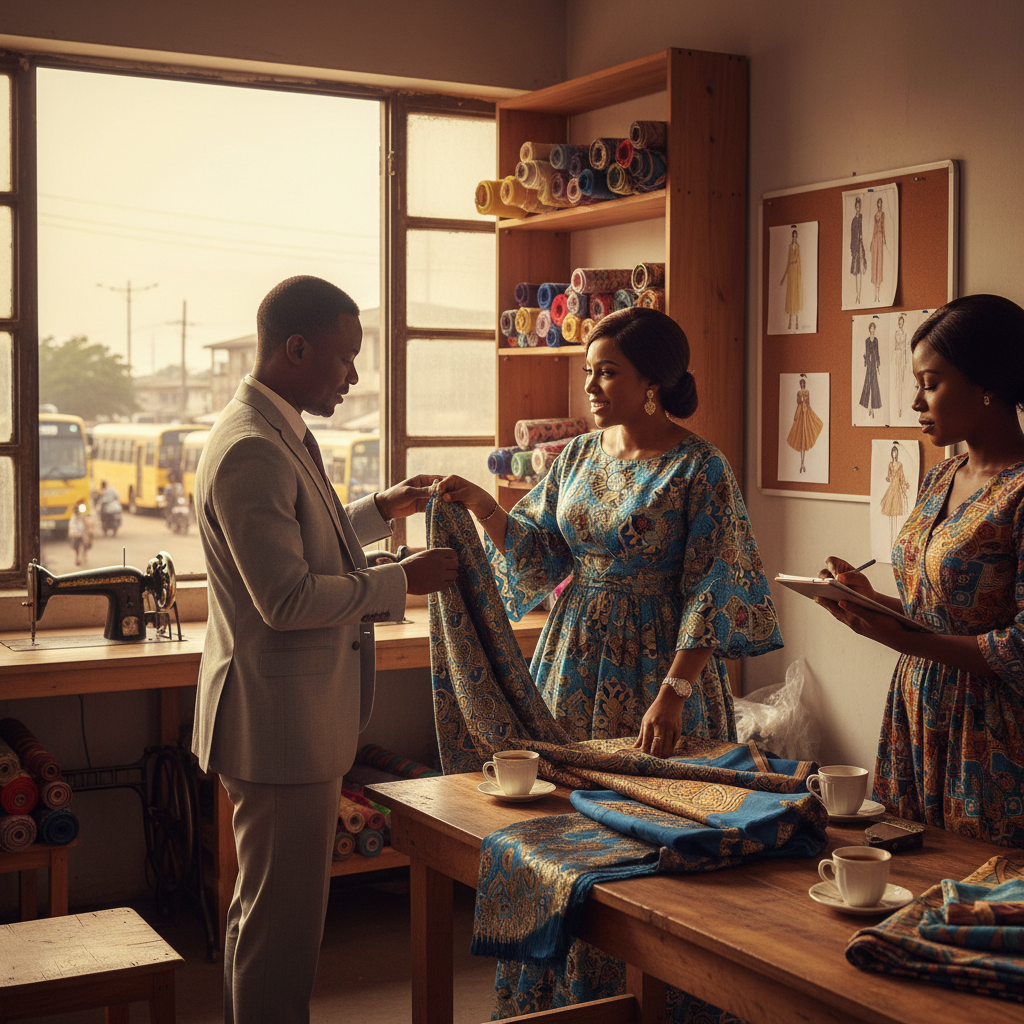
Effective communication is just as important as sewing skills. A good fashion designer should listen to your ideas, provide clear feedback, and keep you updated on the progress of your outfit without you having to chase them down. The initial consultation is very telling.
Pay attention to these communication green flags:
- They Ask Questions: A good designer will ask about the event, your personal style, your comfort level, and your budget. They won't just say "yes" to a picture you send. They'll advise on the best fabric and what silhouette would best flatter your body type.
- They Are Clear About Their Process: They should be able to explain their process for taking measurements, the number of fittings required, and their policy on adjustments.
- They Are Responsive: While you can't expect instant replies, a professional should respond to your queries within a reasonable timeframe (e.g., 24 hours on a business day).
Using the TrustAm app to hire a designer keeps all your communication in one place. The in-app chat creates a record of all your discussions, including shared photos and agreed-upon details. This is incredibly useful for preventing misunderstandings and serves as proof if a dispute ever arises.
4. Understanding the Costs and Payment Structure
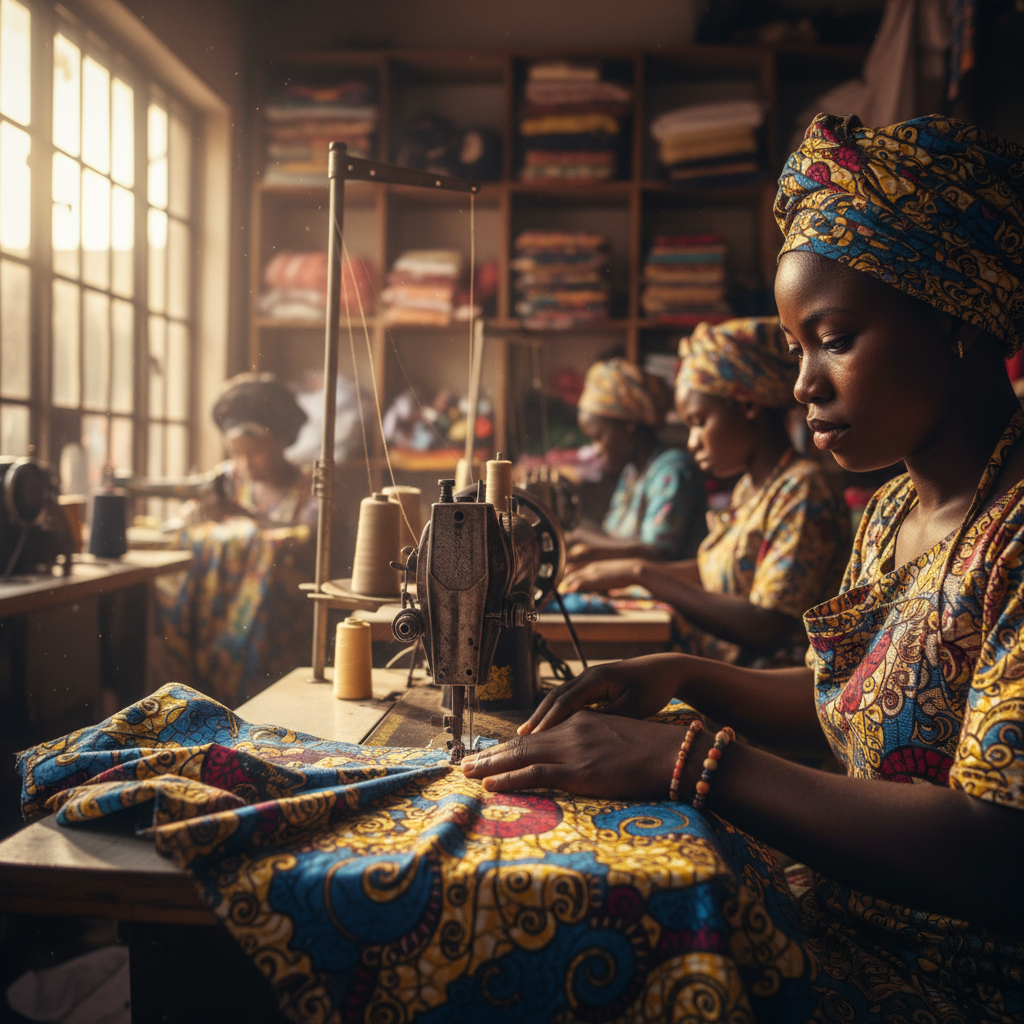
Before hiring a fashion designer in Nigeria, you must get a detailed cost breakdown. A simple quote of "₦100,000" isn't enough. Ask them to separate the costs for fabric sourcing, labour, and any special embellishments like beading or stonework. In 2026, with inflation around 28%, fabric prices can fluctuate, so clarity is key.
A standard payment structure is a 50-70% deposit upfront to cover materials, with the balance paid upon collection. However, this is where many people get burned. Paying a large deposit to a stranger you found online is risky. This is precisely why TrustAm's escrow protection is a lifesaver.
Here’s how it works:
- You book your chosen designer on the TrustAm app and fund the entire project cost.
- TrustAm holds your money securely in an escrow account. The designer can see the project is fully funded and can begin work with confidence.
- The funds are only released to the designer after you have received your outfit and confirmed on the app that you are satisfied with the job.
This system completely eliminates the risk of a designer disappearing with your money. It forces accountability and ensures you get the exact style and quality you paid for. No more "what I ordered vs. what I got" nightmares.
Find Verified Providers on TrustAm
Looking for trusted fashion designers or tailors near you? Browse verified providers with payment-backed reviews and escrow protection.
5. Timelines and Deadlines: The Owambe Factor
Clearly agree on a final delivery date *before* making any payment. A professional designer will provide a realistic timeline that includes time for fabric sourcing, sewing, and at least one fitting. Don't fall for a designer who promises to sew a complex bridal reception dress in three days—that's a recipe for disaster.
Here are some realistic timelines to expect:
- Simple Ankara Dress/Shirt: 7-14 days
- Complex Aso-Ebi or Gown: 3-6 weeks
- Bridal Gown: 2-6 months
Always build in a buffer. If your event is on a Saturday, set the collection date for the Wednesday before at the latest. This gives you time for any last-minute adjustments. When you book on TrustAm, the agreed-upon deadline is logged as part of the job details. This formalizes the agreement and gives you recourse through TrustAm's resolution center if the designer fails to meet the deadline without a valid reason.
Take Control of Your Finances with TrustAm
Ready to hire your next fashion designer with zero stress? On TrustAm, you can find verified designers, read payment-backed reviews, and pay securely with escrow protection. No more 'what I ordered vs. what I got'.
Create Your Free Account →Join 50,000+ Nigerians already using TrustAm to manage their money smarter.
Frequently Asked Questions
How much does it cost to hire a fashion designer in Nigeria?
The cost varies widely based on the designer's experience, location, and the complexity of the outfit. Labour for a simple dress in Lagos or Abuja might range from ₦20,000 to ₦50,000, while a complex Aso-Ebi style could cost ₦80,000 to ₦200,000+ for labour alone, excluding the fabric.
What is the difference between a tailor and a fashion designer?
A tailor primarily focuses on sewing and alterations, executing a design given to them with precision. A fashion designer is involved in the creative process, from conceptualizing the design and sketching it to selecting fabrics and overseeing the garment's creation. Many Nigerian professionals offer both services.
How do I avoid getting scammed by an Instagram designer?
To avoid scams, insist on using a secure payment platform with escrow protection like TrustAm. Vet their portfolio for original work, look for verifiable reviews outside of Instagram, and have a video call to discuss your design. Never pay the full amount upfront to someone you haven't worked with before.
What should I do if my designer messes up my clothes?
First, communicate the issue clearly and professionally to the designer and request adjustments. If they are uncooperative and you paid through a platform like TrustAm, you can raise a dispute. TrustAm's resolution team will mediate, and since the funds are in escrow, you are protected from losing your money on a poorly made outfit.
Book a verified Fashion Designer
Verified providers. Payment held safe until the job is done. Reviews only from real, paid bookings.
Download TrustAm
AI-powered budgeting, instant P2P payments, and escrow protection. Built for Nigeria.
Or get a download link sent to your phone
Chisom Anen
Founder and CEO of TrustAm. Building Nigeria's reputation marketplace for verified service providers. Reviews unlock only after real payments.
Disclosure: This article is published by TrustAm. Some links may direct to our own marketplace and products.
Sources & References
- National Bureau of Statistics — Labour— nigerianstat.gov.ng
- World Bank Nigeria— worldbank.org
- Central Bank of Nigeria— cbn.gov.ng
- BudgIT— budgit.org
Related Services
Find trusted providers related to this article.
Related Articles

Free Tools You Might Find Useful
Try these free calculators and tools related to this article.
Tailoring Prices
Estimate tailoring and fashion design costs in Nigeria.
Use free tool →Tailor Calculator
Estimate tailoring and sewing costs for different garments in Nigeria.
Use free tool →Lagos Budget
Plan your monthly budget for living in Lagos with realistic cost breakdowns.
Use free tool →Abuja Budget
Plan your monthly budget for living in Abuja with realistic cost breakdowns.
Use free tool →