
You need to send ₦15,000 to your friend in Abuja, pay the tailor for your owambe outfit, and send your mum her monthly allowance. You grab your phone, but which app do you open? The one that charges ₦52.50 per transfer, the one that’s free but sometimes hangs, or the one that actually protects you when paying for a service? In 2026, the best money transfer app in Nigeria isn't just about moving money from point A to B; it's about speed, cost, and most importantly, security.
This guide breaks down Nigeria's top money transfer apps, comparing their fees, transfer speeds, and limitations. We'll explore traditional bank apps, popular fintechs, and show why a simple transfer isn't always the safest option, especially when paying for goods and services.
Choosing the right app depends on your specific needs. Before you commit, consider these four key factors. It's not just about flashy interfaces; it's about what works for your wallet and your peace of mind.

Let's break down the major players in the Nigerian transfer space. We've grouped them into two main categories: the established traditional banks and the disruptive fintech challengers.
These are the apps from the banks you've known for years. They are reliable, secure, and directly linked to your main bank account. Their biggest advantage is the trust factor and high transaction limits for fully verified users.
These apps shook up the industry by offering what everyone wanted: free transfers. They are mobile-first, user-friendly, and perfect for everyday, low-to-mid-value transactions.
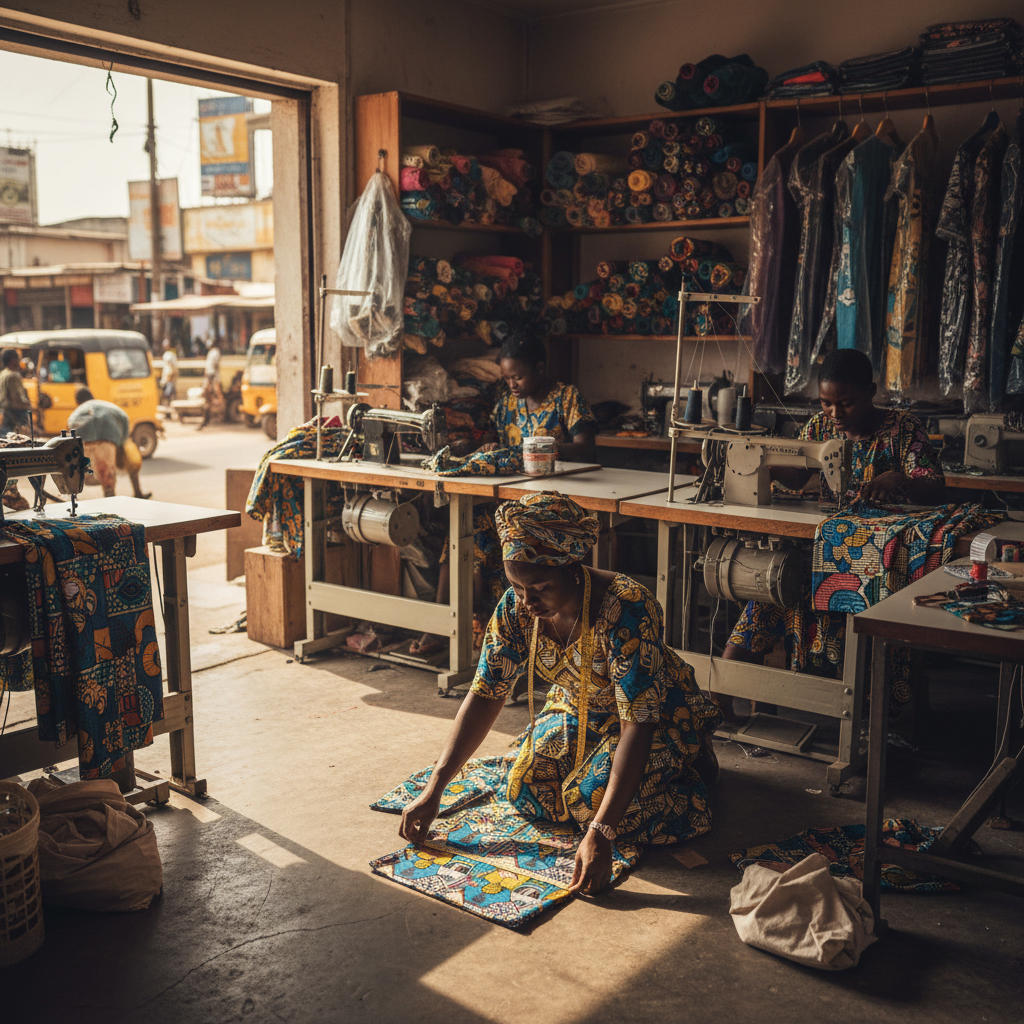
Sending ₦5k to your cousin is low-risk. But what about paying a ₦75,000 deposit to a photographer for your birthday shoot? Or paying a painter you found online to repaint your apartment in Lekki? Once you hit 'send' on a regular bank or fintech app, that money is gone. If the service provider disappears or does a terrible job, you have almost no way to get your money back. This is the transfer app's biggest failure.
We've all heard the horror stories. You pay a deposit, and the vendor blocks you. The item delivered looks nothing like the picture. The artisan does a shoddy job and refuses to fix it. In these moments, it doesn't matter if the transfer was free or instant; what matters is that your money is lost. This is precisely why for any transaction involving a service, you need more than a transfer app—you need a payment protection system.
Looking for trusted service providers near you? Stop sending risky bank transfers. Browse verified professionals on TrustAm with payment-backed reviews and full escrow protection.
Create a Free Account →This is where TrustAm changes the game. TrustAm isn't just another money transfer app; it's a complete financial ecosystem designed for modern Nigerians. Yes, you get free, instant P2P transfers to send money to friends and family, just like the best fintechs. But its real power lies in its integrated services marketplace.
Here’s how TrustAm solves the payment risk problem:
For simple transfers to friends, TrustAm is as fast and free as any other app. But for the transactions that truly matter—the ones where your hard-earned money is on the line—TrustAm provides the security and peace of mind that no simple transfer app can offer.
Stop risking your money with unprotected bank transfers. With TrustAm, you get free P2P transfers, plus a secure marketplace with escrow to pay for services safely. Manage all your payments in one place.
Create Your Free Account →Join 50,000+ Nigerians already using TrustAm to manage their money smarter.
Several fintech and digital bank apps in Nigeria offer zero-fee transfers, but usually with conditions. Apps like Kuda offer a set number of free transfers (e.g., 25) per month, after which charges apply. OPay and Palmpay also have policies for free bank transfers. TrustAm offers completely free and unlimited P2P transfers to other TrustAm users.
For sending money to friends and family, any reputable bank or licensed fintech app is generally safe. However, for paying for goods or services, the safest method is to use a platform with escrow protection, like TrustAm. This ensures your money is only released to the vendor after you have received the service or product as agreed.
As of 2026, bank transfer charges via the NIP system are regulated by the CBN and tiered. Transactions below ₦5,000 cost ₦10, those between ₦5,001 and ₦50,000 cost ₦26.50, and transfers above ₦50,000 are charged ₦52.50. Many digital banks and fintech apps absorb these costs for their users, offering free transfers up to certain limits.
Generally, a completed bank transfer in Nigeria cannot be reversed easily. If you send money to the wrong account, you must contact your bank immediately. The bank can then contact the recipient's bank, but a reversal is only possible if the recipient authorizes it. There is no guarantee you will get your money back, which highlights the risk of sending money to unknown individuals.
Several fintech and digital bank apps in Nigeria offer zero-fee transfers, but usually with conditions. Apps like Kuda offer a set number of free transfers (e.g., 25) per month, after which charges apply. OPay and Palmpay also have policies for free bank transfers. TrustAm offers completely free and unlimited P2P transfers to other TrustAm users.
For sending money to friends and family, any reputable bank or licensed fintech app is generally safe. However, for paying for goods or services, the safest method is to use a platform with escrow protection, like TrustAm. This ensures your money is only released to the vendor after you have received the service or product as agreed.
As of 2026, bank transfer charges via the NIP system are regulated by the CBN and tiered. Transactions below ₦5,000 cost ₦10, those between ₦5,001 and ₦50,000 cost ₦26.50, and transfers above ₦50,000 are charged ₦52.50. Many digital banks and fintech apps absorb these costs for their users, offering free transfers up to certain limits.
Generally, a completed bank transfer in Nigeria cannot be reversed easily. If you send money to the wrong account, you must contact your bank immediately. The bank can then contact the recipient's bank, but a reversal is only possible if the recipient authorizes it. There is no guarantee you will get your money back, which highlights the risk of sending money to unknown individuals.
Disclaimer: This article is for informational purposes only and does not constitute financial advice. Always consult a qualified financial professional before making major financial decisions.
Disclosure: This article is published by TrustAm, a financial services company. Some links in this article may direct to our own products.
Try these free calculators and tools related to this article.
Estimate the cost of hair braiding services in any Nigerian city.
Use free tool →Calculate the cost of professional wig installation in Nigeria.
Use free tool →Estimate haircut and grooming prices from barbers across Nigeria.
Use free tool →Calculate how much a makeup artist charges in Nigeria for events and photoshoots.
Use free tool →