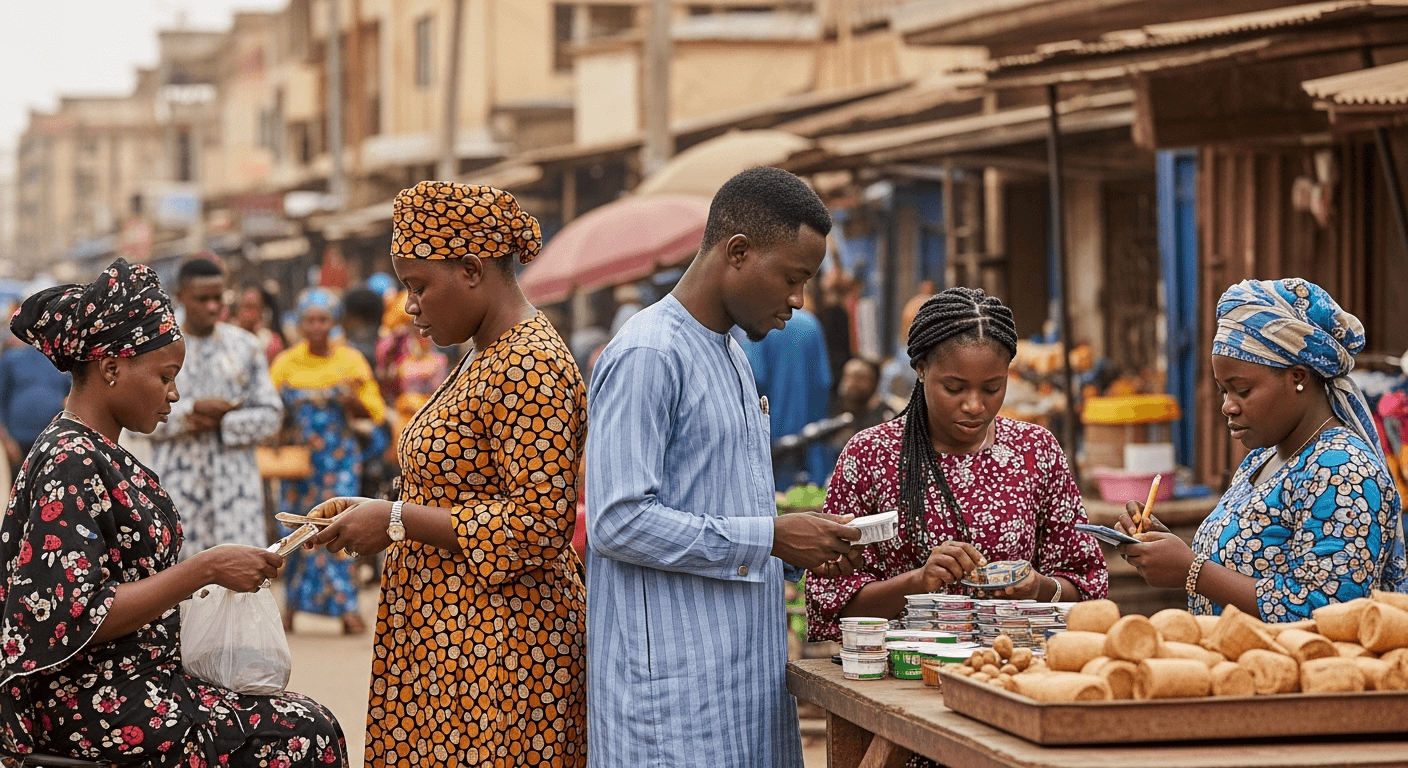
Cost of Living in Kano 2026: Complete Budget Breakdown
Cost of Living in Kano 2026: Complete Budget Breakdown
Thinking of moving to the ancient city of Kano? As Nigeria's commercial nerve centre and the most populous city in the North, Kano offers a unique blend of culture, history, and economic opportunity. But how much does it actually cost to live there? Unlike the eye-watering expenses of Lagos or Abuja, Kano presents a surprisingly affordable alternative for young professionals, families, and entrepreneurs.
Overview & Key Takeaways
This article provides a detailed breakdown of the monthly cost of living in Kano for 2026. We cover everything from accommodation and transportation to food, utilities, and lifestyle expenses to help you create a realistic budget.
- A single person can live comfortably in Kano on a monthly budget of ₦170,000 to ₦250,000, which is significantly lower than in Lagos or Abuja.
- Accommodation is the biggest saver, with decent mini-flats available for as low as ₦300,000 per year in mid-range areas.
- Food is generally cheap due to Kano's status as a major agricultural hub, allowing for a monthly grocery budget of ₦35,000 - ₦50,000.
- Transportation is dominated by affordable Keke Napep (Adaidaita Sahu), with daily commutes costing as little as ₦500.
- While basic costs are low, inconsistent electricity means generator and fuel expenses can be a major variable in your monthly budget.
Accommodation Costs in Kano: Renting a Flat in 2026
Renting a flat in Kano is significantly more affordable than in Nigeria's other major cities. Your biggest financial advantage when moving to Kano will be the low cost of housing, allowing you to get more space for your money or save a substantial amount compared to living in the South.
Annual rent is the standard, and you'll typically be required to pay agent and agreement fees (10% of rent each) and a refundable caution deposit (another 10%). Here’s a breakdown of what to expect in different parts of the city:
- High-End Areas (Nassarawa GRA, Bompai): These are the most serene and expensive neighbourhoods, popular with expatriates and high-income earners. Expect well-paved roads, better security, and more consistent amenities. A modern 2 or 3-bedroom flat here can range from ₦800,000 to ₦2,500,000+ per year.
- Mid-Range Areas (Tarauni, Sabon Gari, Fagge, parts of Hotoro): These areas offer a great balance of affordability and access to amenities. They are bustling and represent the true heart of Kano. You can find a decent self-contain or mini-flat for ₦250,000 - ₦500,000 per year. A 2-bedroom flat would be in the ₦450,000 - ₦700,000 range.
- Budget-Friendly Areas (Unguwa Uku, Dakata, Rijiyar Zaki): For those on a tighter budget, these developing areas offer the cheapest rental options. While they might lack the infrastructure of GRA, they are vibrant communities. A room self-contain can be found for as low as ₦150,000 - ₦250,000 per year.
Remember to factor in the one-time agency and legal fees when creating your moving budget. Using an app like TrustAm can help you set a savings goal specifically for your rent advance.
Transportation: Getting Around Kano on a Budget
Daily transportation costs in Kano are relatively low, with most residents relying on the ubiquitous and affordable Keke Napep, locally known as 'Adaidaita Sahu'. Unlike the chaotic danfo traffic of Lagos, getting around Kano is generally less stressful and much cheaper.
Here’s what your monthly transport budget could look like:
- Keke Napep (Adaidaita Sahu): This is the king of Kano transport. A short drop within a neighbourhood costs about ₦100 - ₦150. Longer trips across town, for instance from Sabon Gari to Bayero University, might cost between ₦300 - ₦500. A daily commuter can expect to spend ₦10,000 - ₦15,000 per month.
- Buses: Larger buses operate on major highways and are even cheaper than kekes, but their routes are less extensive. They are a good option for specific long-distance commutes within the city.
- Ride-Hailing (Bolt & Uber): While available, they are not as prevalent as in Lagos or Abuja. They are a more comfortable but significantly more expensive option, best for airport runs or specific trips. A ride from Nassarawa GRA to the Mallam Aminu Kano International Airport could cost ₦3,000 - ₦5,000.
- Private Car: If you own a car, your main cost will be fuel. With petrol prices hovering around ₦750 per litre in 2026, a moderately used car could consume ₦30,000 - ₦50,000 in fuel monthly. The upside is that traffic is much more manageable than in many other Nigerian cities.
Monthly Food Prices in Kano
Kano's position as an agricultural hub means food prices are among the lowest in Nigeria's major cities. A single person can budget approximately ₦35,000 to ₦50,000 monthly for groceries by shopping at local markets and cooking at home. The key is to buy fresh produce from sprawling markets like Kurmi Market or Sabon Gari Market.
Here’s a sample of what groceries might cost in 2026:
- Bag of Rice (50kg): ~₦80,000
- Painter of Beans: ~₦2,500
- Full Chicken (Live): ~₦7,000
- Medium Yam Tuber: ~₦1,500
- Basket of Tomatoes (seasonal): ~₦4,000 - ₦18,000
- Spaghetti (500g): ~₦600
- Dozen Eggs: ~₦1,200
Eating out is also very affordable. A filling meal of Tuwo Shinkafa or Masa at a local eatery can cost as little as ₦500 - ₦1,000. For a treat, a meal at a mid-range restaurant in Ado Bayero Mall might set you back ₦5,000 - ₦8,000 per person. Tracking these small expenses with the TrustAm AI Financial Advisor can reveal how much you're truly spending on food each month.
Utilities & Other Monthly Bills
Monthly utility bills in Kano for an average 2-bedroom flat can range from ₦25,000 to ₦60,000+, heavily dependent on electricity supply and your reliance on a generator. This is one area where costs can quickly add up if not managed carefully.
- Electricity (KEDCO): The public power supply is inconsistent. If you have a prepaid meter, you might spend ₦10,000 - ₦20,000 per month on electricity units, but you'll rarely get 24/7 power.
- Generator Costs: This is the big one. Running a small 'I better pass my neighbour' generator for a few hours daily can consume ₦15,000 - ₦25,000 in fuel per month. A larger generator for a family home can easily double that cost.
- Water: Many compounds have a borehole, with the cost shared among tenants. If not, you might rely on 'mai ruwa' (water vendors), which could cost ₦3,000 - ₦5,000 a month.
- Internet/Data: A reliable 4G/5G router plan from providers like Spectranet or mobile data from MTN/Airtel will cost between ₦15,000 and ₦30,000 for a decent monthly package.
- Waste Management: Expect to pay around ₦2,000 - ₦4,000 monthly for refuse disposal.
- Security: If you live in a gated compound or an estate, a monthly security levy of ₦3,000 - ₦10,000 is common.
Lifestyle, Entertainment, and Personal Care
Lifestyle and entertainment costs in Kano are flexible and can be tailored to any budget. A monthly budget of ₦20,000 to ₦50,000 can cover occasional outings, personal care, and subscriptions, allowing for a balanced life.
Kano has a growing number of modern entertainment spots, including the Ado Bayero Mall, which has a Filmhouse cinema where tickets cost around ₦3,000. There are also parks, sports centres, and a wide variety of local and international restaurants to explore.
Personal care services are very affordable. A man's haircut can cost between ₦500 - ₦1,500. For women, services like hair braiding or makeup can range from ₦5,000 to ₦20,000 depending on the style and the artist's location. Finding trusted service providers for these needs can be a challenge in a new city, which is where a reliable platform comes in handy.
Find Verified Providers on TrustAm
Looking for trusted barbers, braiders, or tailors near you? Browse verified providers in Kano with payment-backed reviews and escrow protection.
Create a Free Account →Sample Monthly Budgets for Kano in 2026
A realistic monthly budget for living in Kano in 2026 ranges from as low as ₦90,000 for a corper on a very tight budget to over ₦400,000 for a small family seeking comfort. To put it all together, here are three sample monthly budgets. This table shows that even on a modest salary, a good quality of life is achievable.
| Category | Tight Budget (Single/Corper) | Mid-Range Budget (Single Professional) | Family Budget (2 Adults, 2 Children) |
|---|---|---|---|
| Rent (pro-rated monthly) | ₦15,000 | ₦30,000 | ₦65,000 |
| Transportation | ₦12,000 | ₦18,000 | ₦50,000 (Car) |
| Food/Groceries | ₦35,000 | ₦50,000 | ₦120,000 |
| Utilities (incl. fuel) | ₦20,000 | ₦35,000 | ₦60,000 |
| Lifestyle/Personal Care | ₦10,000 | ₦25,000 | ₦50,000 |
| Savings/Miscellaneous | ₦8,000 | ₦42,000 | ₦75,000 |
| Total Monthly Est. | ₦100,000 | ₦200,000 | ₦420,000 |
As you can see, Kano is a city where your money can go a lot further. Even a salary that might feel tight in Lagos can afford a very comfortable lifestyle here. For context, check out our analysis of what a ₦90,000 salary can realistically afford in Nigeria.
Take Control of Your Finances with TrustAm
Whether you're managing a tight budget in Fagge or living comfortably in GRA, TrustAm's AI-powered budgeting tools help you track every naira spent in Kano. See exactly where your money goes and find opportunities to save more.
Create Your Free Account →Join 50,000+ Nigerians already using TrustAm to manage their money smarter.
Frequently Asked Questions
Is Kano cheaper to live in than Lagos?
Yes, Kano is significantly cheaper than Lagos. The most substantial savings are found in accommodation, where rent can be 50-70% lower for a comparable property. Daily transportation and fresh food items are also much more affordable in Kano.
What is a good salary to live comfortably in Kano?
A good salary for a comfortable life in Kano depends on your lifestyle, but for a single professional, a monthly income of ₦200,000 to ₦300,000 would allow for living in a decent area, running a car, eating out regularly, and still having a healthy amount left for savings and investments.
What are the best areas to live in Kano?
The best area depends on your budget and preferences. Nassarawa GRA and Bompai are considered the most upscale and secure. Mid-range, well-located options include Tarauni, Sabon Gari, and Hotoro GRA. For those on a strict budget, areas like Unguwa Uku and Dakata offer very affordable housing.
How safe is Kano for residents?
Like any major Nigerian city, safety can vary by neighbourhood. The central business districts and residential estates like Nassarawa GRA are generally considered safe. It is always advisable for residents to be aware of their surroundings and take standard security precautions, especially at night.
Find verified service providers
Verified providers. Payment held safe until the job is done. Reviews only from real, paid bookings.
Download TrustAm
AI-powered budgeting, instant P2P payments, and escrow protection. Built for Nigeria.
Or get a download link sent to your phone
Chisom Anen
Founder and CEO of TrustAm. Building Nigeria's reputation marketplace for verified service providers. Reviews unlock only after real payments.
Disclaimer: This article is for informational purposes only and does not constitute financial advice. Always consult a qualified financial professional before making major financial decisions.
Disclosure: This article is published by TrustAm, a financial technology company. Some links in this article may direct to our own products.
Sources & References
- National Bureau of Statistics — Consumer Price Index— nigerianstat.gov.ng
- Numbeo — Cost of Living in Nigeria— numbeo.com
- PropertyPro.ng — Rental Market Data— propertypro.ng
- World Bank — Nigeria Economic Update— worldbank.org
- BudgIT — Fiscal Data— budgit.org
Related Articles



Free Tools You Might Find Useful
Try these free calculators and tools related to this article.