
Remember when ₦5,000 could fill up a good portion of your grocery basket at Shoprite? Now, in 2026, that same amount barely covers a few essentials. This isn't just your imagination; it's the painful reality of inflation in Nigeria. It’s that silent thief that sneaks into your wallet and reduces the value of your hard-earned cash, making your salary feel smaller even when the number on your payslip hasn't changed. If you've ever felt like you're working harder but falling further behind, you're feeling the direct impact of Nigeria's persistent, high inflation.
This article breaks down what inflation means for the average Nigerian in 2026. You'll learn why prices keep rising, how it directly impacts your daily expenses, and most importantly, discover practical strategies to adjust your budget, cut costs, and increase your income to fight back.
Inflation is the rate at which the general level of prices for goods and services is rising, which means the purchasing power of a currency is falling. In simple terms, your money buys less than it used to. In Nigeria, this isn't a small, gradual change; it's a major economic challenge, with the headline inflation rate projected to stay stubbornly high, somewhere between 25% and 30% in 2026.
But why is it so high here? It's not just one single reason, but a combination of persistent issues:
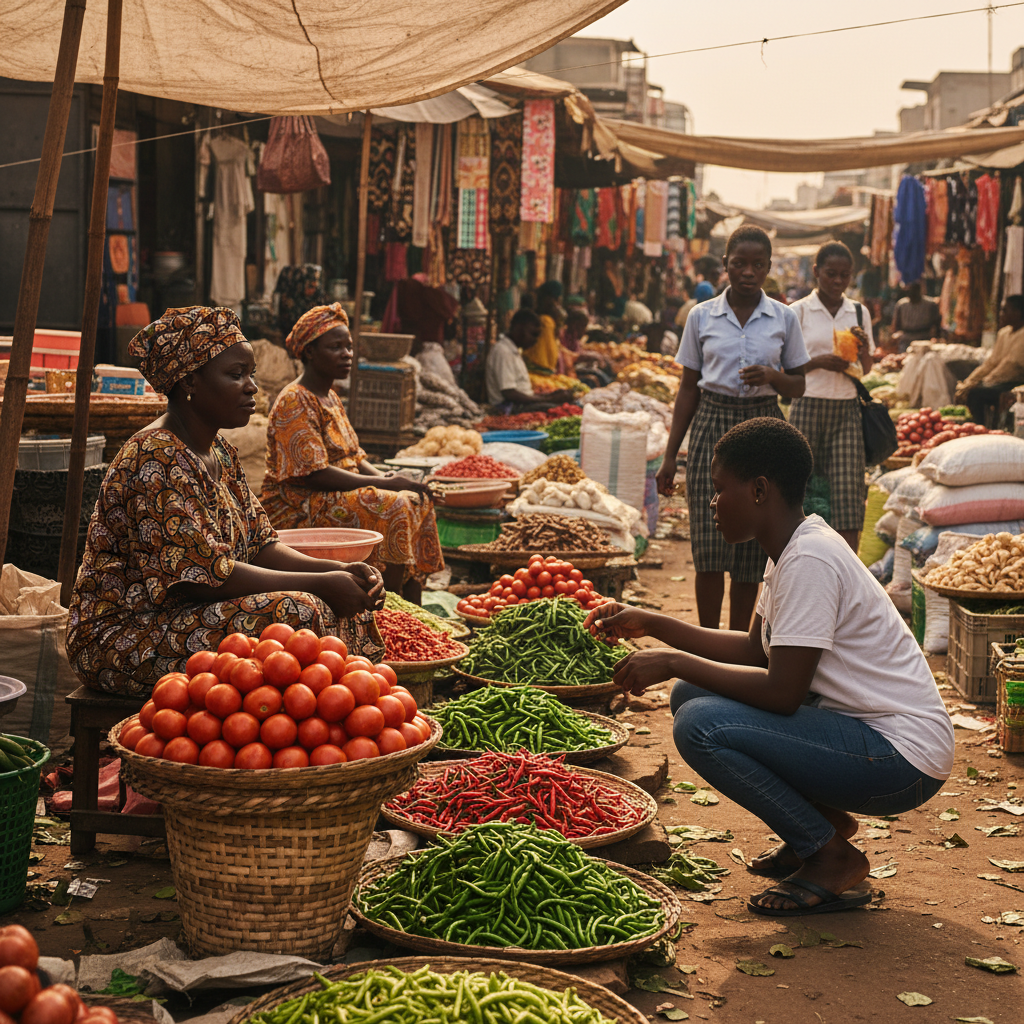
An inflation rate of 30% means that, on average, something that costs you ₦10,000 today will cost ₦13,000 in twelve months. This isn't just an abstract number; it's a direct attack on your standard of living. It's the reason why your budget feels like it's constantly under pressure, a phenomenon many now call the permanent 'sapa' season.
Here’s how it breaks down across your budget categories:
The first step to fighting back is understanding exactly where your money is going. The TrustAm app includes an AI-powered budgeting tool that connects to your bank accounts and automatically categorizes your spending. This gives you a clear, visual dashboard showing that your 'Food' spending has gone up by 20% this month, helping you make informed decisions instead of just guessing.
To create a budget that can withstand Nigeria's high inflation, you must be proactive, disciplined, and strategic. A static, 'set-it-and-forget-it' budget won't work anymore. You need a living document that adapts to the changing economic landscape.
Follow these steps to build a more resilient financial plan:

To truly beat inflation, you need a two-pronged attack: reducing your expenses wherever possible and increasing your income to widen the gap. One without the other is like trying to fill a leaking bucket.
Beyond the obvious like eating out less, you can find significant savings in how you procure services. Often, we overpay for home and personal services because we don't know the market rate or we're afraid of being scammed by a random artisan found on the street.
This is where the TrustAm marketplace becomes your secret weapon against inflation. Instead of just accepting the first quote you get, you can find and compare prices from multiple verified professionals. For instance:
Using TrustAm's escrow protection means your payment is held securely until you confirm the job is done to your satisfaction. This eliminates the risk of paying for a shoddy job, saving you money and stress.
Looking for trusted service providers near you? Browse verified professionals with payment-backed reviews and escrow protection to ensure you get value for your money.
Create a Free Account →Cutting costs can only get you so far. You must also focus on growing your income. Consider these options:
Tired of inflation eating your money? See where every naira goes with TrustAm's AI budgeting tool and save money by hiring verified providers on our marketplace. It's time to fight back and make your money work for you.
Create Your Free Account →Join 50,000+ Nigerians already using TrustAm to manage their money smarter.
The main cause of inflation in Nigeria is a combination of factors, primarily the continuous depreciation of the Naira against the US Dollar, which increases the cost of imported goods. Other major contributors include high fuel and energy prices, supply chain bottlenecks, and prevailing insecurity in agricultural regions.
To protect your savings from being eroded by inflation, it's crucial to not leave large amounts of cash idle in a regular savings account. Consider investing in assets that have the potential to deliver returns higher than the inflation rate. These can include dollar-denominated assets, mutual funds, stocks, and real estate, depending on your risk tolerance.
As of 2026, Nigeria's inflation remains a significant challenge. While the government and the CBN are implementing policies to curb it, structural issues like FX volatility and infrastructure deficits mean that high inflation is likely to persist in the short to medium term. Therefore, personal financial discipline and strategic planning are essential.
Defining a 'good' salary is subjective and depends heavily on location and lifestyle. However, due to high inflation, a monthly salary that might have been considered good in 2022 is now barely enough to be middle class in cities like Lagos or Abuja. To live comfortably, a young professional might need to earn upwards of ₦400,000 - ₦600,000 per month, and even then, strict budgeting is required.
The Naira to Dollar exchange rate has a direct and significant impact on inflation in Nigeria because the country relies heavily on imports. When the Naira weakens, it costs more Naira to buy the dollars needed to import goods, raw materials, and even machinery. Importers and manufacturers pass these higher costs on to consumers, leading to price increases across the board.
Verified providers. Payment held safe until the job is done. Reviews only from real, paid bookings.
AI-powered budgeting, instant P2P payments, and escrow protection. Built for Nigeria.
Or get a download link sent to your phone
Disclaimer: This article is for informational purposes only and does not constitute financial advice. Always consult a qualified financial professional before making major financial decisions.
Disclosure: This article is published by TrustAm, a financial technology company. Some links in this article may direct to our own products.
Try these free calculators and tools related to this article.
Plan your monthly budget for living in Lagos with realistic cost breakdowns.
Use free tool →Plan your monthly budget for living in Abuja with realistic cost breakdowns.
Use free tool →Plan your monthly budget for living in Port Harcourt.
Use free tool →Plan your monthly budget for living in Ibadan with affordable cost breakdowns.
Use free tool →