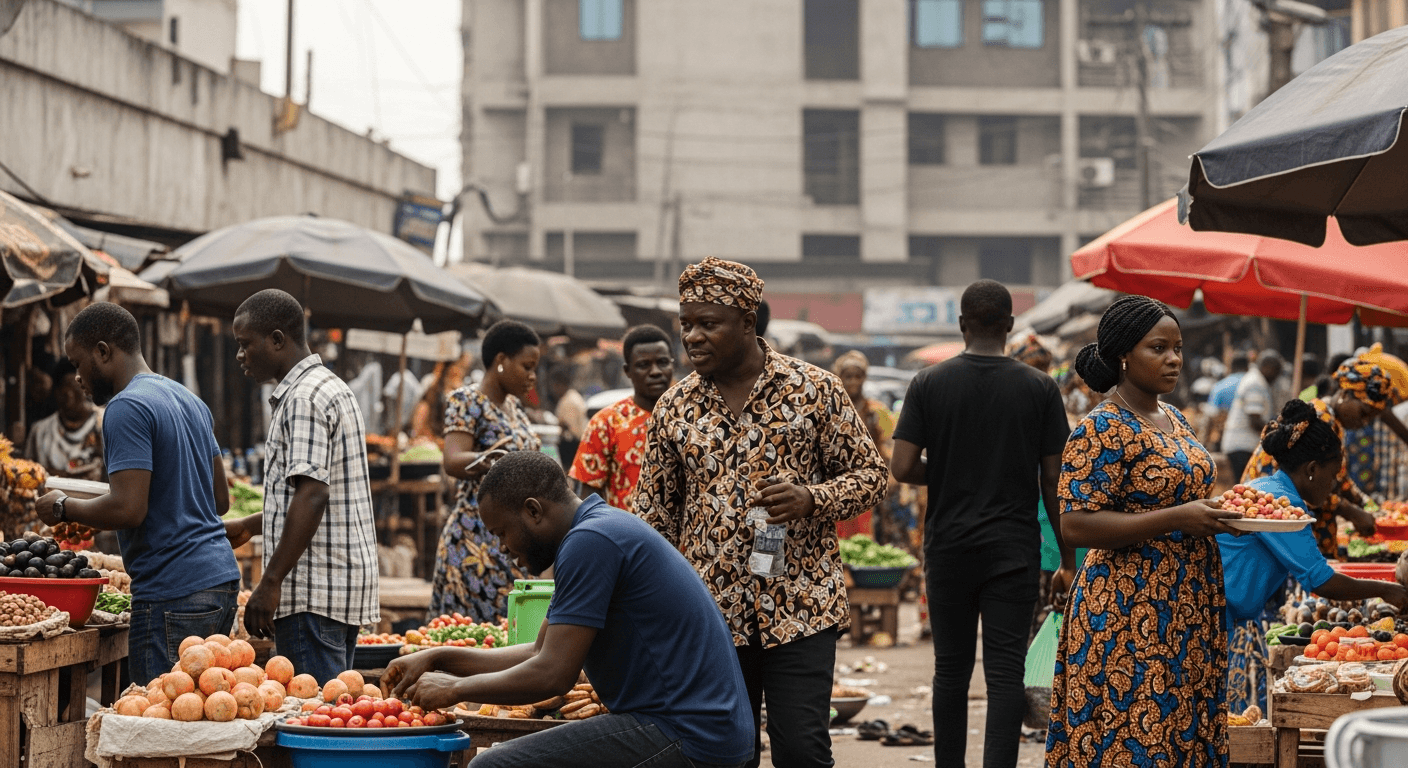
Cost of Living in Lagos 2026: Real Monthly Budget (Rent, Food, Transport)
Cost of Living in Lagos 2026: Complete Monthly Budget Breakdown
So, your salary just landed. You feel the brief rush of being a Lagos big boy or big girl. You pay for your Bolt, buy a shawarma, send your sister some money, and by the 15th of the month, you're staring at your bank balance wondering, "Where did all my money go?" Welcome to Lagos, the city of dreams that also happens to have a voracious appetite for your paycheck. But surviving and even thriving here is possible with a smart plan. This guide breaks down the real cost of living in Eko in 2026, with no sugar-coating.
Overview & Key Takeaways
This guide provides a detailed breakdown of the monthly expenses you can expect while living in Lagos in 2026. We cover everything from rent and transportation to food, utilities, and the all-important 'soft life' budget, complete with sample monthly plans for different income levels.
- Rent is King: Expect to spend 40-60% of your income on accommodation, especially if you choose to live on the Island. Annual upfront payments are standard.
- A Realistic Budget: A single young professional needs a monthly budget of at least ₦250,000 for a lean existence, ₦500,000 for a comfortable lifestyle, and ₦800,000+ to truly enjoy the 'soft life'.
- The Generator Economy is Real: Your electricity bill isn't just from PHCN. Factor in ₦15,000 - ₦40,000 monthly for generator fuel and maintenance for reliable power.
- Location Matters More Than You Think: Living closer to your workplace can save you thousands of Naira and countless hours in traffic, drastically improving your quality of life.
- Track Everything: The key to managing Lagos expenses is diligent tracking. Use a smart tool like TrustAm's AI budget planner to automatically categorise your spending and see where your money truly goes.
The Elephant in the Room: Rent & Accommodation Costs
Rent is the single largest expense for most Lagosians, often consuming a staggering 40-60% of monthly income. The primary financial challenge isn't just the monthly cost, but the standard practice of demanding one or two years' rent upfront, plus additional fees for agents, agreements, and caution deposits. Prices vary dramatically between the more affordable Mainland and the pricier Island.
Here’s a realistic look at annual rent prices you can expect in 2026, considering current inflation trends (around 25-30%). We've also included the monthly equivalent for budgeting purposes.
- Mainland (Yaba, Surulere, Ikeja, Gbagada):
- Room in a shared flat: ₦400,000 - ₦800,000 per year (approx. ₦33k - ₦67k/month)
- Mini-flat (Self-con): ₦700,000 - ₦1,500,000 per year (approx. ₦58k - ₦125k/month)
- 2-Bedroom Flat: ₦1,500,000 - ₦3,000,000 per year (approx. ₦125k - ₦250k/month)
- Island (Lekki, Victoria Island, Ikoyi):
- Room in a shared flat: ₦1,000,000 - ₦2,000,000 per year (approx. ₦83k - ₦167k/month)
- Mini-flat: ₦2,000,000 - ₦4,500,000 per year (approx. ₦167k - ₦375k/month)
- 2-Bedroom Flat: ₦4,000,000 - ₦8,000,000+ per year (approx. ₦333k - ₦667k+/month)
Remember to budget an extra 20% of your first year's rent for agency and legal fees. If you're struggling to come up with a lump sum, our guide on How to Save for Rent in Ibadan on a Tight Budget has tips that apply anywhere in Nigeria.
Getting Around Eko: Your Monthly Transportation Budget
Transportation costs in Lagos are a wild card, influenced by fuel prices, surge pricing, and the city's legendary traffic. For a daily commuter, this expense can easily range from ₦25,000 to over ₦80,000 per month. Your choice of transport will define your budget.
- Public Transport (Danfo, BRT, Keke): This is the most common and affordable option. A daily round trip can cost between ₦1,000 and ₦2,500, depending on the distance. Monthly Estimate: ₦22,000 - ₦55,000.
- Ride-Hailing (Uber/Bolt): Convenient but costly. A single trip can range from ₦3,000 to ₦7,000+. Using these for daily commutes is not sustainable for most people. It's better for occasional trips or emergencies. Monthly Estimate: ₦40,000 - ₦100,000+ if used frequently.
- Private Car: The cost of freedom. With fuel prices hovering around ₦800-₦900 per litre, you could spend ₦50,000 - ₦100,000 on fuel alone. Add routine maintenance (oil changes, tyre checks), insurance, and the inevitable mechanic visit, and the costs quickly add up.
Chop Money: Budgeting for Food and Groceries
Your monthly food bill in Lagos can vary wildly, from a lean ₦40,000 to a lavish ₦150,000 or more. The biggest factor is how often you cook versus eating out. Buying raw foodstuffs from local markets like Mile 12, Oyingbo, or Mushin is significantly cheaper than patronizing supermarkets.
- Cooking at Home: A single person can manage a monthly food budget of ₦40,000 - ₦80,000 by shopping at local markets and cooking in batches.
- Eating Out (Local Bukkas): A decent, filling meal from a local canteen will set you back ₦1,000 - ₦2,000.
- Eating Out (Restaurants/Cafes): A meal at a mid-range restaurant in Lekki or VI can easily cost ₦8,000 - ₦20,000 per person.
To get a handle on your food spending, it's crucial to track every purchase. The TrustAm app can automatically categorize your transfers to food vendors and supermarket spending, giving you a clear picture. For more tips, check out our article on How to Save Money on Food Shopping in Nigeria.
Keeping the Lights On: Utilities and Other Bills
Monthly utility bills in Lagos typically range from ₦30,000 to ₦100,000, and the official electricity bill is often the smallest part. The real cost comes from providing your own infrastructure, mainly power and internet.
- Electricity (PHCN/IKEDC/EKEDC): ₦10,000 - ₦30,000 per month, assuming you get a decent supply.
- Generator Fuel & Maintenance: This is the real power bill. Budget ₦15,000 - ₦40,000+ per month, depending on usage and fuel price.
- Internet Data: A reliable connection is non-negotiable. Expect to spend ₦15,000 - ₦35,000 for mobile data or a fibre subscription.
- Cooking Gas: A 12.5kg cylinder refill costs around ₦15,000 and can last 1-2 months. Budget approx. ₦8,000 - ₦12,000 per month.
- Waste Management (LAWMA): ₦1,000 - ₦5,000 per month.
- Security/Estate Dues: Can range from ₦5,000 in a simple compound to ₦50,000+ in a serviced estate.
Health, Grooming & Personal Care
Setting aside ₦15,000 to ₦50,000 monthly for health and personal care is essential for staying sharp in Lagos. This covers everything from your fresh haircut and nails to basic medications and toiletries.
- Haircut (Barber): ₦2,000 - ₦5,000 per cut.
- Hair Braiding: ₦8,000 - ₦30,000+. For a detailed breakdown, see our hair braiding price guide.
- Nails (Manicure/Pedicure): ₦5,000 - ‐₦15,000.
- Basic Toiletries & Skincare: ₦10,000 - ₦25,000 monthly.
- HMO/Health Insurance: If not covered by your employer, this can be ₦5,000 - ₦20,000 monthly.
Find Verified Providers on TrustAm
Looking for trusted barbers, braiders, or even cleaners near you? Browse verified providers with payment-backed reviews and escrow protection.
Create a Free Account →'Soft Life' & Entertainment: How Much is Enough?
The budget for entertainment and lifestyle in Lagos is entirely up to you, but it's crucial for avoiding burnout. A reasonable budget can start from ₦20,000 and go well over ₦200,000 per month, depending on your social circle and hobbies.
- Cinema Tickets: ₦3,500 - ₦6,000 per person.
- Restaurant/Lounge Outing: ₦10,000 - ₦50,000 per person for a good time.
- Subscriptions (Netflix, Apple Music, etc.): ₦5,000 - ₦10,000.
- Owambe/Aso Ebi: This is a major, unpredictable expense. A single owambe can cost you ₦30,000 - ₦100,000+ between the aso ebi, tailor costs, and gift.
- Gym Membership: ₦15,000 - ₦40,000 per month.
Putting It All Together: Sample Monthly Budgets for Lagos (2026)
To give you a clearer picture, we've created three sample monthly budgets for a single person living in Lagos in 2026. These are estimates based on different income levels and lifestyles to help you plan effectively.
Budget 1: The "Sapa Survivor" (Lean Budget on ~₦250,000/month)
- Rent: ₦60,000 (Room in a shared Mainland flat)
- Transport: ₦35,000 (Primarily public transport)
- Food: ₦50,000 (Mostly cooking at home, limited eating out)
- Utilities: ₦30,000 (Basic data, shared generator costs)
- Personal Care: ₦15,000 (Basic grooming)
- Entertainment: ₦15,000 (One or two low-key outings)
- Miscellaneous & Savings: ₦45,000
Budget 2: The "Comfortable Professional" (Mid-Range Budget on ~₦500,000/month)
- Rent: ₦125,000 (Mini-flat on the Mainland or shared Island flat)
- Transport: ₦70,000 (Mix of public transport and occasional ride-hailing)
- Food: ₦90,000 (Cooking + eating out 1-2 times a week)
- Utilities: ₦55,000 (Good internet, more generator usage)
- Personal Care: ₦30,000 (Regular grooming, better products)
- Entertainment: ₦50,000 (Regular outings, gym membership)
- Miscellaneous & Savings: ₦80,000
Budget 3: The "Soft Life" Enthusiast (High-End Budget on ~₦1,000,000/month)
- Rent: ₦350,000 (2-bed on Mainland or decent 1-bed on Island)
- Transport: ₦150,000 (Private car or frequent ride-hailing)
- Food: ₦150,000 (Frequent dining out, high-end groceries)
- Utilities: ₦100,000 (Fibre internet, constant power, service charges)
- Personal Care: ₦60,000 (Premium services and products)
- Entertainment: ₦120,000 (Events, fine dining, hobbies)
- Miscellaneous, Savings & Investments: ₦70,000+
Take Control of Your Finances with TrustAm
Feeling overwhelmed by the cost of living in Lagos? TrustAm's AI-powered budgeting tool automatically tracks your spending across all your bank accounts, categorizes your expenses, and shows you exactly where your money is going. Stop guessing and start planning for the Lagos life you want.
Create Your Free Account →Join 50,000+ Nigerians already using TrustAm to manage their money smarter.
Frequently Asked Questions
Is ₦200,000 a good salary in Lagos in 2026?
A monthly salary of ₦200,000 is considered a survivable wage in Lagos for a single person, but it will be very tight. You would likely need to live in a shared apartment on the Mainland, rely exclusively on public transportation, and cook most of your meals at home. Building significant savings on this salary would be extremely challenging without a side income.
How can I save money while living in Lagos?
To save money effectively in Lagos, focus on the three biggest expenses: housing, transportation, and food. Opt to live on the Mainland to significantly cut down on rent, cook your own meals instead of eating out, and use public transport over ride-hailing services. Additionally, using a smart budgeting app like TrustAm to track every Naira is crucial for identifying areas where you can cut back.
What is the most expensive part of living in Lagos?
Accommodation is, without a doubt, the most expensive part of living in Lagos. The standard practice of requiring one or even two years' rent payment upfront, combined with agent and legal fees (typically 10% each), creates a massive financial barrier and consumes the largest portion of most residents' income.
Find verified service providers
Verified providers. Payment held safe until the job is done. Reviews only from real, paid bookings.
Download TrustAm
AI-powered budgeting, instant P2P payments, and escrow protection. Built for Nigeria.
Or get a download link sent to your phone
Chisom Anen
Founder and CEO of TrustAm. Building Nigeria's reputation marketplace for verified service providers. Reviews unlock only after real payments.
Disclaimer: This article is for informational purposes only and does not constitute financial advice. Always consult a qualified financial professional before making major financial decisions.
Disclosure: This article is published by TrustAm, a financial technology company. Some links in this article may direct to our own products.
Sources & References
- National Bureau of Statistics — Consumer Price Index— nigerianstat.gov.ng
- Numbeo — Cost of Living in Nigeria— numbeo.com
- PropertyPro.ng — Rental Market Data— propertypro.ng
- World Bank — Nigeria Economic Update— worldbank.org
- BudgIT — Fiscal Data— budgit.org
Related Articles



Free Tools You Might Find Useful
Try these free calculators and tools related to this article.
Lagos Budget
Plan your monthly budget for living in Lagos with realistic cost breakdowns.
Use free tool →Abuja Budget
Plan your monthly budget for living in Abuja with realistic cost breakdowns.
Use free tool →PH Budget
Plan your monthly budget for living in Port Harcourt.
Use free tool →Ibadan Budget
Plan your monthly budget for living in Ibadan with affordable cost breakdowns.
Use free tool →