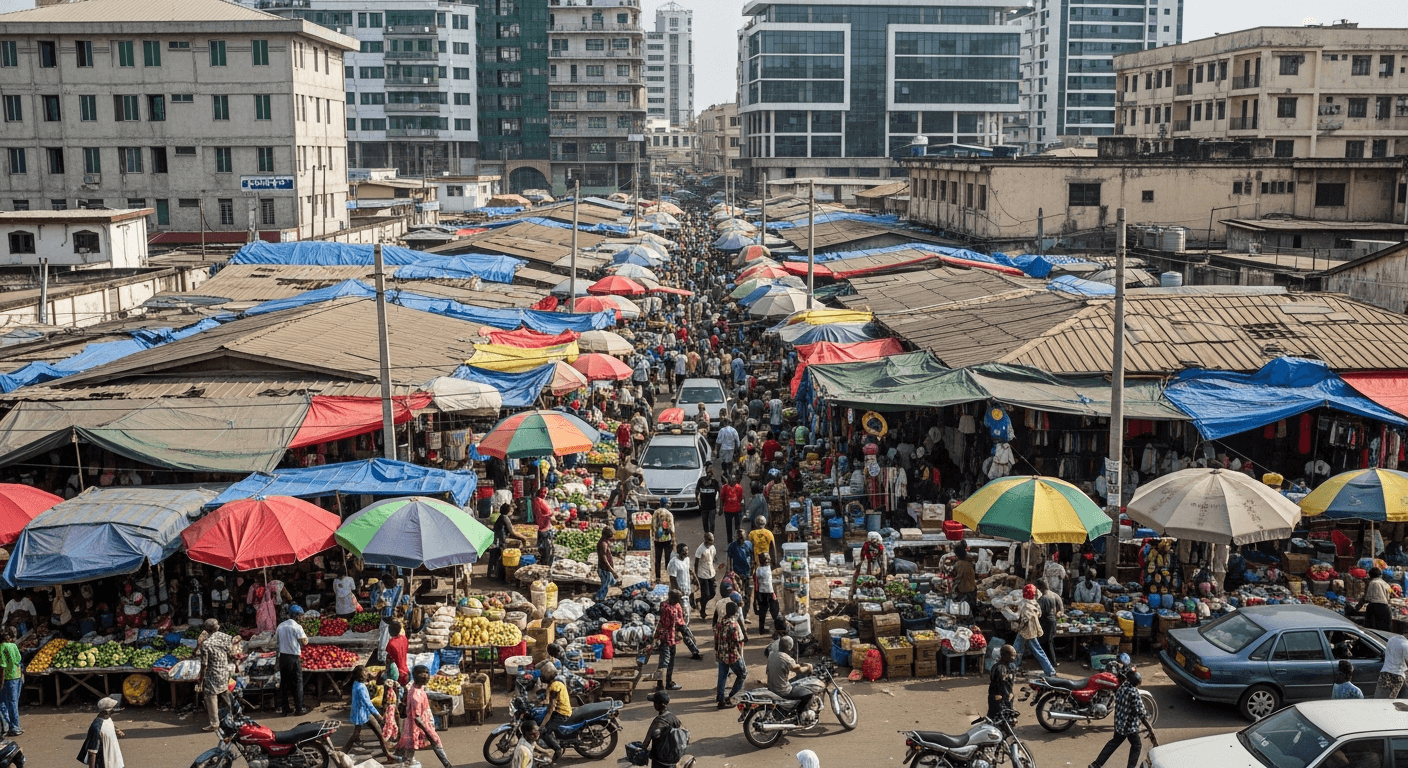
Cost of Living in Lagos in 2026: Complete Monthly Budget Breakdown
Cost of Living in Lagos in 2026: Complete Monthly Budget Breakdown
Thinking of moving to Lagos, or just trying to figure out why your salary disappears by the 15th of the month? You're not alone. Lagos is the vibrant, chaotic, and ambitious heart of Nigeria, but living here comes with a price tag that can be intimidating. With inflation hovering around 28% and the lingering effects of major economic shifts, understanding the true cost of living in Eko is more critical than ever for 2026.
Overview & Key Takeaways
This guide provides a detailed monthly budget breakdown for anyone living or planning to live in Lagos in 2026. We'll break down the realistic costs of accommodation, transportation, food, utilities, and lifestyle expenses for different income levels.
- Your budget is king: A realistic monthly budget for a single person in Lagos starts from ₦180,000 for a basic lifestyle to over ₦700,000 for a more comfortable one on the Island.
- Rent is your biggest battle: Accommodation will likely be your largest single expense, consuming 30-50% of your income. Consider flat-sharing or living on the Mainland to significantly cut costs.
- Transport is a daily puzzle: Transportation costs are highly variable. A smart mix of danfo, BRT, and occasional ride-hailing is key to managing this expense, which can range from ₦25,000 to ₦150,000+ monthly.
- Beat food inflation: Food prices are a major concern. Bulk buying from local markets like Mile 12 or Oyingbo is drastically cheaper than shopping at supermarkets in Lekki or VI.
- Track every kobo: To survive and thrive, you must track your spending. Using a smart tool like TrustAm’s AI budget planner can help you see exactly where your money goes and find opportunities to save.
The Lagos Reality Check: What to Expect in 2026
Living in Lagos in 2026 demands strategic financial planning. The city's economic climate is shaped by high inflation rates (projected to remain in the high twenties), a fluctuating Naira-to-Dollar exchange rate, and the continued fallout from the fuel subsidy removal. These factors directly impact the price of everything from a bottle of Coke to your annual rent.
The key to navigating this is to be proactive, not reactive. Simply earning a salary isn't enough; you need to manage it with precision. As detailed in our analysis of Nigeria's cost of living crisis, young professionals are increasingly adopting smarter financial habits, from aggressive saving to building side hustles, just to keep up. A detailed budget is no longer a 'nice-to-have'—it's your primary tool for financial survival in Lagos.
The Biggest Bill: Accommodation Costs in Lagos
Your largest monthly expense in Lagos will undoubtedly be rent. Prices vary dramatically between the Mainland (Ikeja, Yaba, Surulere) and the Island (Victoria Island, Lekki, Ikoyi), so your choice of location will have the single biggest impact on your budget. Remember that most landlords require a full year's rent upfront, plus hefty fees.
Here’s a realistic breakdown of annual rent you can expect in 2026 (excluding agent, legal, and caution fees which can add another 20-30%):
- Room in a shared flat (face-me-I-face-you or modern flatshare): ₦350,000 - ₦700,000 (Mainland) vs. ₦800,000 - ₦1,800,000 (Island).
- Self-Contain / Mini-Flat: ₦500,000 - ₦1,200,000 (Mainland) vs. ₦1,500,000 - ₦3,500,000 (Island).
- 2-Bedroom Flat: ₦1,000,000 - ₦2,800,000 (Mainland) vs. ₦3,500,000 - ₦8,000,000+ (Island).
When budgeting, always calculate the pro-rated monthly cost but save aggressively towards the lump sum needed for rent renewal. If you encounter issues like a leaking roof or faulty plumbing, finding a reliable artisan can be a hassle. Using a platform like TrustAm helps you find and book verified plumbers and electricians with payment protection.
Getting Around: Monthly Transportation Budget
Your monthly transportation cost in Lagos can range from ₦25,000 for someone using only public transport to over ₦150,000 for a car owner. The infamous Lagos traffic means you're not just spending money, but also time. Your daily commute route and transport choices will heavily influence this part of your budget.
- Public Transport (Danfo, Keke, BRT): This is the most budget-friendly option. A daily commute can cost between ₦1,000 and ₦2,500, leading to a monthly budget of ₦22,000 - ₦55,000 (assuming you work 22 days a month).
- Ride-Hailing (Uber/Bolt): While convenient, relying on these services daily is a luxury. An average trip within the city can be ₦3,000 - ₦7,000. Using them a few times a week can add another ₦30,000 - ₦60,000 to your monthly spend.
- Car Ownership: This is the most expensive option. Beyond the car's cost, you need to budget for fuel (expect to spend ₦80,000+ monthly), regular maintenance (oil changes, tires), insurance, and those unexpected repairs that always pop up.
Find Verified Providers on TrustAm
Looking for trusted service providers to make life easier? Browse verified professionals with payment-backed reviews and escrow protection.
Create a Free Account →Feeding the Hustle: Food & Groceries Budget
A monthly food budget for a single person in Lagos can be managed at around ₦40,000 with disciplined home cooking, but can easily balloon to over ₦120,000 if you eat out often. Food inflation is a significant challenge, making smart shopping non-negotiable. Tracking this category in your TrustAm app is a great way to see how much those 'small' shawarma and pizza purchases are really costing you.
- The Market Runner (Budget): ₦40,000 - ₦60,000. This involves buying staples like rice, beans, garri, and yams in bulk from major markets (Mile 12, Oyingbo, Iddo) and cooking almost all your meals at home.
- The Balanced Eater (Moderate): ₦60,000 - ₦90,000. This is a mix of market runs and occasional top-ups from supermarkets like Shoprite or Spar. You might eat out at a local buka or fast-food joint once or twice a week.
- The Convenience Seeker (High): ₦100,000+. This budget is for those who frequently shop at premium supermarkets, order food via apps like Glovo or Jumia Food, and dine out at restaurants in VI or Lekki on weekends.
Utilities, Data, and Other Essentials
The bills that never sleep! Essential utilities like electricity, internet data, and generator fuel will cost between ₦25,000 and ₦70,000 per month. These are often underestimated by newcomers, but they are a consistent and significant part of the cost of living in Lagos.
- Electricity (IKEDC/EKEDC): This is notoriously unpredictable. Depending on your area's power supply and your usage (especially AC), budget ₦10,000 - ₦30,000 per month.
- Generator Fuel & Maintenance: The real 'second NEPA'. With inconsistent power, you'll likely run your genny often. This can cost ₦15,000 - ₦40,000+ monthly in fuel alone.
- Internet Data: A reliable internet connection is essential. Budget ₦10,000 - ₦25,000 for a combination of mobile data and home Wi-Fi (from providers like Spectranet or FiberOne).
- Cooking Gas: A 12.5kg cylinder refill costs around ₦12,000 - ₦15,000 and might last 1-2 months depending on usage.
Sample Monthly Budgets for Lagos (The Breakdown)
To put it all together, here are three sample monthly budgets for different lifestyle and income levels in Lagos for 2026. This original breakdown provides a clear picture of what you can realistically afford. It's a stark contrast to what a similar income might afford you in other cities, as shown in our cost of living guide for Ibadan.
| Expense Category | The Entry-Level Hustler (Mainland) | The Mid-Level Professional (Mainland/Basic Island) | The Senior Professional (Island) |
|---|---|---|---|
| Est. Monthly Income | ₦180k - ₦250k | ₦350k - ₦500k | ₦700k+ |
| Rent (Pro-rated) | ₦45,000 | ₦90,000 | ₦250,000 |
| Transportation | ₦30,000 | ₦60,000 | ₦150,000 |
| Food & Groceries | ₦50,000 | ₦80,000 | ₦120,000 |
| Utilities & Data | ₦25,000 | ₦40,000 | ₦70,000 |
| Personal Care & Lifestyle | ₦15,000 | ₦40,000 | ₦80,000 |
| Savings & Investments | ₦15,000 | ₦40,000 | ₦130,000 |
| Total Monthly Est. | ₦180,000 | ₦350,000 | ₦800,000 |
These are estimates, and your personal spending habits will determine the final figures. The most crucial part is creating a budget that works for you and sticking to it. This is where TrustAm's AI-powered budgeting becomes an invaluable ally, helping you automate tracking and stay on target.
Take Control of Your Finances with TrustAm
Feeling the Lagos pressure on your wallet? TrustAm's AI budget planner helps you track every expense, from danfo fares to shawarma nights, so you can thrive, not just survive. See where your money is going and start building your savings today.
Create Your Free Account →Join 50,000+ Nigerians already using TrustAm to manage their money smarter.
Frequently Asked Questions
What is a good salary to live comfortably in Lagos?
To live comfortably in Lagos in 2026, a single person would likely need a minimum monthly salary of ₦350,000 to ₦500,000. This would allow for a decent mini-flat on the Mainland or a shared apartment on the Island, cover all basic expenses without constant financial stress, and leave room for savings and entertainment.
Is Lagos more expensive than Abuja?
Yes, Lagos is generally considered more expensive than Abuja, particularly when it comes to accommodation. While both cities have high living costs, rent for comparable properties is often 15-30% higher in Lagos, especially in prime commercial and residential areas. However, transportation and food costs can be more competitive in Lagos due to its port and larger market networks.
How can I save money while living in Lagos?
To save money in Lagos, focus on the three biggest expenses: housing, transport, and food. Live on the Mainland or in a flatshare, master the public transport system instead of relying on ride-hailing, and cook your own meals bought from local markets. Additionally, use a budgeting app like TrustAm to track all your spending and identify areas where you can cut back.
How much is a one-bedroom flat in Lagos in 2026?
In 2026, the annual rent for a one-bedroom flat (or mini-flat) in Lagos will likely range from ₦600,000 to ₦1,200,000 on the Mainland (areas like Surulere or Ikeja). On the Island (areas like Lekki or VI), the same type of apartment could cost anywhere from ₦1,800,000 to ₦3,500,000 per year, excluding additional fees.
Find verified service providers
Verified providers. Payment held safe until the job is done. Reviews only from real, paid bookings.
Download TrustAm
AI-powered budgeting, instant P2P payments, and escrow protection. Built for Nigeria.
Or get a download link sent to your phone
Chisom Anen
Founder and CEO of TrustAm. Building Nigeria's reputation marketplace for verified service providers. Reviews unlock only after real payments.
Disclaimer: This article is for informational purposes only and does not constitute financial advice. Always consult a qualified financial professional before making major financial decisions.
Disclosure: This article is published by TrustAm, a financial technology company. Some links in this article may direct to our own products.
Sources & References
- National Bureau of Statistics— nigerianstat.gov.ng
- World Bank Nigeria— worldbank.org
- BudgIT — Fiscal Data— budgit.org
Related Articles



Free Tools You Might Find Useful
Try these free calculators and tools related to this article.
Lagos Budget
Plan your monthly budget for living in Lagos with realistic cost breakdowns.
Use free tool →Abuja Budget
Plan your monthly budget for living in Abuja with realistic cost breakdowns.
Use free tool →Ibadan Budget
Plan your monthly budget for living in Ibadan with affordable cost breakdowns.
Use free tool →Cost Breakdown
Get a detailed percentage breakdown of event costs in Nigeria.
Use free tool →