
How to Survive on ₦300,000 in Uyo in 2026
How to Survive on ₦300,000 in Uyo in 2026
So, you’ve landed a job or you're considering a move to Uyo with a ₦300,000 monthly salary. Congratulations! In a country where the minimum wage is still a topic of debate, that figure sounds pretty solid. But in 2026, with inflation hovering around 28%, the real question is: can you actually live comfortably, save, and avoid the dreaded 'sapa' in Akwa Ibom's capital on that income? The short answer is yes, you absolutely can. Uyo offers a saner, more affordable quality of life compared to the chaos of Lagos or the high cost of Abuja. However, it requires a smart, disciplined approach to your finances. This guide breaks down exactly how to manage that ₦300k salary, not just to survive, but to thrive in the serene city of Uyo.
Overview & Key Takeaways
This article provides a detailed 2026 budget breakdown for living on a ₦300,000 monthly salary in Uyo. You will learn how to allocate your income across housing, food, transportation, and lifestyle, while still having enough left for savings and investments.
- Target a 25% Rent Cap: Your annual rent should not exceed ₦900,000, meaning your monthly housing cost should be around ₦75,000 to stay financially healthy.
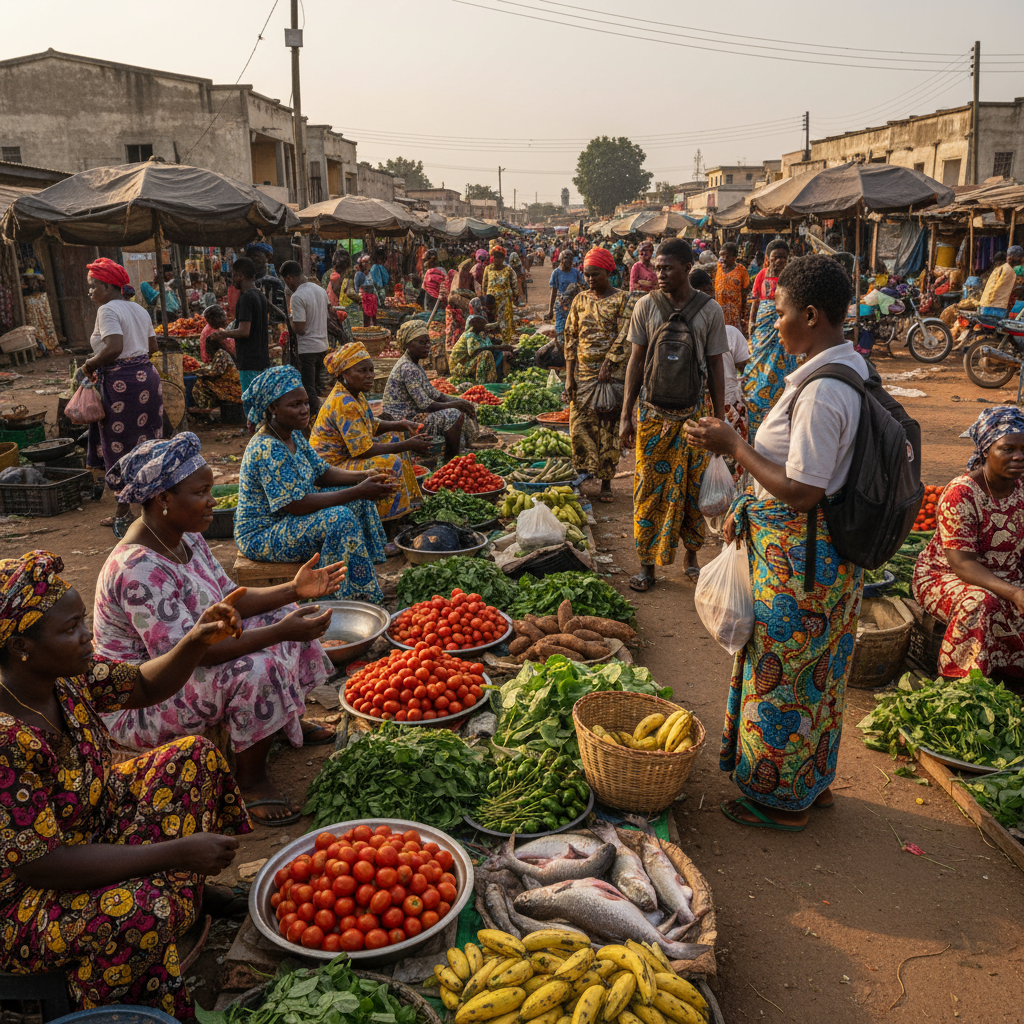
- Master Local Markets: Drastically cut your food bill by shopping for fresh produce and staples at major Uyo markets like Akpan Andem, Itam, and Urua Akpan Assiek, aiming for a monthly food budget of ₦80,000.
- Use TrustAm for Services: Save money and avoid scams on everything from haircuts to generator repairs by using the TrustAm marketplace to find, compare, and book verified local providers in Uyo with escrow protection.
- Prioritize Savings (20%): Automate a monthly savings of ₦60,000. This non-negotiable step is your ticket to building an emergency fund and future wealth.
- Leverage Uyo's Affordability: Take advantage of lower transportation costs (keke, mini-buses) and a less demanding social scene compared to larger Nigerian cities to keep your miscellaneous expenses in check.
The ₦300k Reality Check: Is It a Good Salary in Uyo?
In 2026, ₦300,000 per month is a comfortable salary for a single person or a young couple without children in Uyo. It places you firmly in the emerging middle class. Unlike Lagos where that same amount can be swallowed by just rent and transportation, in Uyo, it affords you a decent lifestyle, provided you are a disciplined spender. The city’s calm atmosphere, good road network, and lower population density mean you spend less time and money in traffic, and the pressure to maintain an expensive lifestyle is significantly lower.
However, with the national inflation rate projected by economists to be between 25-30%, your money's value is constantly being challenged. This means that blind spending is not an option. Your key to success is a well-structured budget. Tracking every kobo is essential, and using a smart tool like the TrustAm app's AI budget planner can automate this process, categorizing your spending so you know exactly where your money is going each month.

The Uyo ₦300k Monthly Budget Breakdown (A Realistic Sample)
To make ₦300,000 work, you must adopt a budget. The popular 50/30/20 rule (50% needs, 30% wants, 20% savings) is a good starting point, but we’ll adapt it for the Uyo context. After-tax income might be slightly less, but for this guide, we'll work with the gross amount.
- Housing & Utilities (25%): ₦75,000
- Rent: You can find a clean, modern self-contain or mini-flat in accessible areas like Ewet Housing Extension, Osongama Estate, or parts of Shelter Afrique for ₦400,000 - ₦700,000 per year. This averages to ₦33k - ₦58k monthly.
- Utilities: Budget around ₦15,000 - ₦20,000 for electricity (PHEDC bills and fuel for your 'I better pass my neighbour' gen), waste disposal, and estate security fees.
- Feeding (27%): ₦80,000
- This is a major area where you can save. Avoid buying everything from supermarkets like Market Square or Tropicana Mall. Instead, do your bulk shopping at Akpan Andem Market. You’ll get fresh foodstuff at a fraction of the price.
- This budget allows for cooking most of your meals and eating out or ordering food maybe once or twice a week. Uyo has amazing local delicacies like Afang and Edikang Ikong soup that are affordable at local canteens.
- Transportation (10%): ₦30,000
- Getting around Uyo is relatively cheap. Keke (tricycles) and mini-buses are the most common modes of transport. A typical drop can cost between ₦150 - ₦400.
- This budget covers daily commuting and a few Bolt or Rida trips for weekend outings or late nights.
- Lifestyle & Personal Care (18%): ₦55,000
- Subscriptions: Netflix, Spotify, etc. (₦5,000)
- Data & Airtime: (₦15,000)
- Personal Care & Grooming: Toiletries, haircuts, hairstyling, nails. This is where the TrustAm marketplace is a lifesaver. Instead of guessing prices, you can browse verified barbers, hair braiders, and nail technicians in Uyo, see their prices upfront, and read reviews from other customers before booking. This prevents you from getting overcharged. (₦15,000)
- Entertainment & Socials: A few trips to Ibom Tropicana, a drink with friends at a lounge on Udoudoma Avenue, or a visit to Ibeno Beach. (₦20,000)
- Savings & Investments (20%): ₦60,000
- This is the most important part. Pay yourself first! Set up an automatic transfer of ₦60,000 to a separate savings account (like with Kuda or PiggyVest) the day you receive your salary. This builds your emergency fund and capital for investments. Consider learning how to buy shares on the Nigerian Stock Exchange to make your money grow.
How to Find and Pay for Services Without Getting Scammed
One of the biggest hidden costs of living anywhere in Nigeria is dealing with unreliable service providers. Your generator might spoil, a pipe could burst, or you might need a good tailor for an event. Getting a reliable professional at a fair price can be stressful. Word-of-mouth is risky, and you can easily get scammed by someone who does a poor job and disappears with your money.
This is precisely the problem TrustAm was built to solve. The TrustAm marketplace is your go-to platform for finding vetted and verified service providers right there in Uyo.
- Need a Plumber? Don't just call the number written on a wall. On TrustAm, you can browse profiles of multiple plumbers, read payment-backed reviews from previous clients, and agree on a price.
- Escrow Protection: When you pay for a service through TrustAm, your money is held in escrow. The plumber or electrician only gets paid after you confirm the job has been completed to your satisfaction. This eliminates the fear of paying a deposit to someone who will never show up.
- Save Money: By comparing different providers on the app, you can choose one that fits your budget without sacrificing quality. This simple step can save you thousands of naira on home repairs and maintenance each year.
Find Verified Providers on TrustAm
Looking for trusted artisans and professionals in Uyo? Browse verified providers with payment-backed reviews and escrow protection.
Create a Free Account →Boosting Your Income: Side Hustles in Uyo
While ₦300k is manageable, earning extra income is the fastest way to accelerate your financial goals. Uyo's growing economy presents numerous opportunities for side hustles. The key is to turn a skill you already have into a source of income, and TrustAm provides the perfect platform to do this professionally.
Consider these ideas:
- Offer a Professional Service: Are you a skilled graphic designer, writer, or web developer? List your services on the TrustAm marketplace. You can work with clients across Nigeria, not just in Uyo, and get paid securely.
- Weekend Catering or Baking: If you're a great cook or baker, start a small chops or cake business for small events. You can create a professional profile as a caterer or baker on TrustAm, showcasing your work and getting bookings for birthdays and office parties.
- Become a Tutor: If you excel in subjects like Maths, English, or Physics, you can become a private tutor for secondary school students. List your tutoring services on TrustAm to connect with parents in your area looking for qualified instructors.
- Fashion and Tailoring: Good tailors are always in demand. If you can sew, you can create a profile, upload pictures of your designs, and attract clients who need everything from simple alterations to custom outfits.
By listing your side hustle on TrustAm, you gain visibility, a professional booking system, and the security of escrow payments. It transforms your skill from a hobby into a real, income-generating business.

Take Control of Your Finances with TrustAm
From tracking your Uyo budget with our AI tools to finding and paying for trusted local services securely, TrustAm is your all-in-one app for smart city living. Stop overspending and start thriving.
Create Your Free Account →Join 50,000+ Nigerians already using TrustAm to manage their money smarter.
Frequently Asked Questions
How much is rent for a decent apartment in Uyo?
As of 2026, you can find a decent self-contained apartment in Uyo for ₦250,000 to ₦400,000 per year. A modern one-bedroom flat (mini-flat) in safe, accessible areas like Ewet Housing, Shelter Afrique, or Osongama Estate typically costs between ₦400,000 and ₦700,000 annually.
Is Uyo cheaper to live in than Lagos?
Yes, Uyo is significantly cheaper to live in than Lagos. The major differences are in the cost of housing and transportation. Rent in Uyo can be less than half the price of a comparable apartment in Lagos, and daily transportation costs are much lower due to less traffic and shorter commute distances.
What is the best way to get around Uyo on a budget?
The most budget-friendly way to get around Uyo is by using keke napep (tricycles) and mini-buses for your daily commute. They are widely available and cover most routes within the city. For more comfort or for late-night movements, ride-hailing services like Bolt are available and more affordable than in larger cities.
Can I save money while living in Uyo on ₦300k?
Absolutely. With a disciplined budget, you can comfortably save at least 20% of your ₦300,000 salary, which is ₦60,000 per month. The key is to minimize major expenses by choosing affordable housing, cooking your own meals, and using cost-effective transportation. Automating your savings ensures you consistently build your wealth.
Find verified service providers
Verified providers. Payment held safe until the job is done. Reviews only from real, paid bookings.
Download TrustAm
AI-powered budgeting, instant P2P payments, and escrow protection. Built for Nigeria.
Or get a download link sent to your phone
Chisom Anen
Founder and CEO of TrustAm. Building Nigeria's reputation marketplace for verified service providers. Reviews unlock only after real payments.
Disclaimer: This article is for informational purposes only and does not constitute financial advice. Always consult a qualified financial professional before making major financial decisions.
Disclosure: This article is published by TrustAm, a financial technology company. Some links in this article may direct to our own products.
Sources & References
- CPI and Inflation Report— nigerianstat.gov.ng
- Monetary Policy & Economic Data— cbn.gov.ng
- Property Rental Market Trends in Uyo— nigeriapropertycentre.com
- Nigeria Economic Outlook— worldbank.org
Related Articles



Free Tools You Might Find Useful
Try these free calculators and tools related to this article.
Lagos Budget
Plan your monthly budget for living in Lagos with realistic cost breakdowns.
Use free tool →Abuja Budget
Plan your monthly budget for living in Abuja with realistic cost breakdowns.
Use free tool →PH Budget
Plan your monthly budget for living in Port Harcourt.
Use free tool →Ibadan Budget
Plan your monthly budget for living in Ibadan with affordable cost breakdowns.
Use free tool →