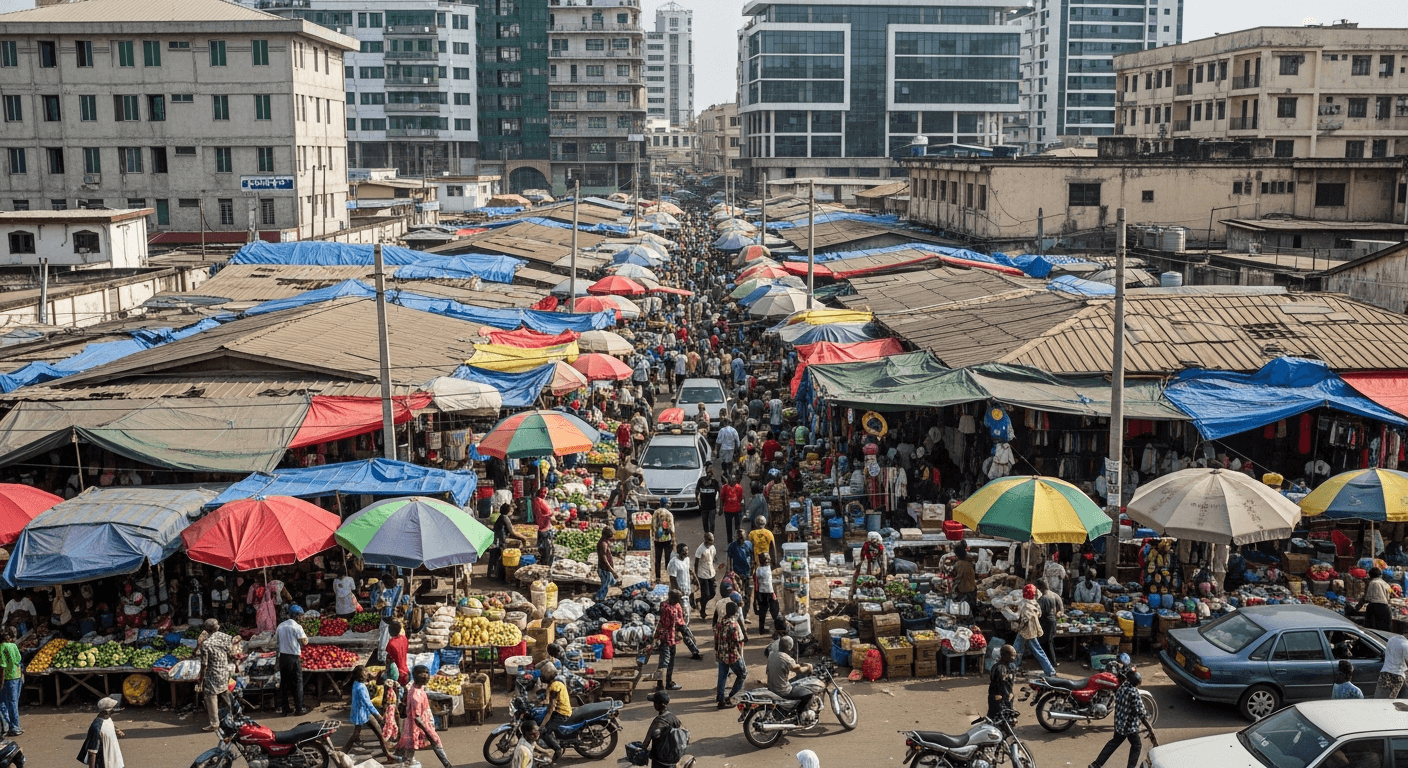
Naira vs Dollar in March 2026: What It Means for Your Wallet
Naira vs Dollar in March 2026: What It Means for Your Wallet
It’s become a national ritual for many of us: wake up, grab your phone, and check the latest black market rate for the dollar before you even check your messages. The constant fluctuation of the Naira against the US Dollar isn't just news; it's a real-time indicator of our purchasing power. As we look towards March 2026, the trend of volatility continues, directly impacting everything from the price of Indomie to the cost of a new phone. Understanding this dynamic is no longer optional—it's essential for your financial survival and growth.
Overview & Key Takeaways
This article breaks down the ongoing Naira vs. Dollar situation as of March 2026, explaining its real-world effects on your daily expenses, savings, and overall financial health. You will learn practical, actionable strategies to protect your money from devaluation and make smarter financial decisions in a high-inflation environment.
- Your Naira Savings Are Losing Value: With inflation hovering around 28-30%, any money saved in Naira that isn't earning significant interest is effectively shrinking in purchasing power each month.
- Imported Goods Cost More: The price of electronics (phones, laptops), vehicles, and even many food items are directly tied to the exchange rate. A weaker Naira means you pay more for the same product.
- Earning in USD is the Ultimate Hedge: The most effective way to shield yourself from Naira devaluation is to earn income in a stronger currency, such as through remote work or freelancing for international clients.
- Dollar-Denominated Investments are Crucial: Saving in Naira is not enough. Investing in assets priced in dollars (like US stocks or Eurobonds) helps preserve and grow the real value of your wealth.
- Budgeting Becomes Non-Negotiable: Actively tracking your spending with a smart tool like TrustAm is vital to identify where rising costs are impacting you most and to adjust your budget accordingly.
Why is the Naira-Dollar Exchange Rate So Volatile?
The constant see-saw of the Naira-Dollar exchange rate is primarily driven by a fundamental imbalance in supply and demand. Nigeria's heavy reliance on crude oil exports for the bulk of its foreign exchange earnings, coupled with an insatiable demand for dollars to pay for imported goods and services, creates a perpetually fragile situation.
When global oil prices drop or our production dips, our dollar supply shrinks. Meanwhile, the demand from businesses importing raw materials and individuals buying everything from iPhones to paying for Netflix subscriptions remains high. This mismatch, alongside inconsistent CBN policies and speculative activity in the parallel market, fuels the volatility we experience daily. As of early 2026, the gap between the official and parallel market rates, while narrower than in previous years, still reflects this underlying pressure.
- Oil Price Dependency: Over 80% of Nigeria's foreign exchange comes from oil. Any shock to this sector directly impacts the Naira's value.
- High Import Demand: From refined petroleum products to machinery and even basic food items like wheat, our economy is heavily import-dependent, creating a constant need for USD.
- FX Policy Changes: Shifts in Central Bank of Nigeria (CBN) policies, such as the move towards a managed float system, can create short-term uncertainty and speculation.
- Inflationary Pressures: High domestic inflation (currently around 29%) erodes confidence in the Naira, pushing people to hold dollars as a store of value.
The Real-World Impact on Your Daily Expenses
The rising exchange rate directly increases the price of any imported goods or services with imported components, hitting your wallet in ways you might not even realize. It's not just about the cost of a new MacBook from the US; it's about the bread you buy at the local shop, which is made with imported wheat, or the danfo fare, which is affected by the price of fuel and imported spare parts for the bus.
To put it in perspective, let's compare the cost of common items, assuming a parallel market rate of roughly ₦2,500/$1 in March 2026, compared to ₦1,200/$1 in early 2024. This isn't just numbers on a screen; it's the reality of your declining purchasing power.
| Item/Service | Cost (Jan 2024 @ ₦1,200/$) | Estimated Cost (Mar 2026 @ ₦2,500/$) | Why it's Affected |
|---|---|---|---|
| New Samsung Phone | ₦900,000 | ₦1,875,000+ | Fully imported product, price is directly tied to the dollar. |
| Monthly DStv Premium | ₦29,500 | ₦55,000+ | Subscription costs are benchmarked against USD by MultiChoice. |
| Toyota Camry (Tokunbo) | ₦8,000,000 | ₦16,500,000+ | Imported vehicle, duties, and clearing costs are FX-dependent. |
| Flight Ticket (Lagos to London) | ₦1,200,000 | ₦2,500,000+ | Airlines price tickets in dollars, so the Naira equivalent rises. |
| Loaf of Bread | ₦1,200 | ₦2,000 | Made with imported wheat, flour milling equipment, and yeast. |
Seeing these numbers makes it clear why your salary feels like it's shrinking. This is where using a financial management app like TrustAm becomes essential. By connecting your bank accounts, TrustAm's AI-powered budgeting tool can help you automatically track these rising costs and see exactly which categories are eating into your income the most, allowing you to make informed adjustments.
How to Protect Your Money from Naira Devaluation
The most effective strategies to shield your finances involve moving beyond simply saving in Naira. You need to actively hedge against devaluation by acquiring assets that are priced in or hold their value against stronger currencies.
Here are five practical steps you can take to protect your hard-earned money:
- Save and Invest in Dollars: This is the most direct approach. Stop letting all your savings sit in a Naira account. Explore options like opening a domiciliary account at a Nigerian bank or using fintech apps that allow you to save and invest in dollar-denominated assets. Our guide on dollar investments explains this in detail.
- Explore Foreign Stocks and ETFs: Thanks to modern investment apps, you can now easily buy shares in global companies like Apple, Tesla, or Google. You can also invest in Exchange Traded Funds (ETFs) that track the S&P 500. This not only protects your capital from Naira depreciation but also allows it to grow. Check out the best investment apps in Nigeria to get started.
- Increase Your Earning Power in FX: The ultimate protection is to earn in dollars. If your skills permit, seek remote work opportunities with international companies. Platforms like Upwork, Toptal, and Fiverr connect Nigerian talent with global clients willing to pay in USD.
- Invest in Value-Holding Local Assets: While cash in Naira is risky, certain local assets can be a good hedge. Real estate in high-demand areas (like Lekki in Lagos or Maitama in Abuja) and agriculture (especially for export crops) tend to retain or increase their value over time, often outpacing inflation.
- Shift Consumption to Local Goods: Consciously reduce your spending on imported items. Choose locally grown rice over imported brands. Instead of buying foreign fashion, find a skilled local tailor on a marketplace like TrustAm. This not only saves you money but also supports the local economy.
Should You Buy Dollars Now? A Balanced View
Buying dollars can be a smart defensive move, but it should be done strategically, not out of panic. You should avoid converting all your Naira into dollars at the peak of a rally, and it's crucial to never use money meant for immediate needs or your emergency fund for currency speculation.
Before you rush to a Bureau De Change, ask yourself these critical questions:
- What is my goal? Are you buying dollars for long-term savings (a good idea) or trying to make a quick profit by timing the market (very risky)?
- What is my time horizon? If you need the money back in Naira in a few weeks, a sudden dip in the rate could force you to sell at a loss. FX savings should be for medium to long-term goals.
- Am I sacrificing liquidity? Don't convert the cash you need for rent, food, and transport next month. This is how people get into a cash crunch, or what we call 'sapa'.
- Is my source reputable? Always buy from your bank (if you have a domiciliary account) or a well-known, licensed BDC operator to avoid counterfeit notes and scams.
The goal is not to become a currency trader overnight but to build a resilient financial portfolio where a portion of your wealth is insulated from the Naira's volatility.
Take Control of Your Finances with TrustAm
The volatile Naira-Dollar rate makes smart money management non-negotiable. TrustAm's AI budgeting tool helps you track rising costs and see exactly where your money is going, so you can adjust your spending and protect your financial future.
Create Your Free Account →Join 50,000+ Nigerians already using TrustAm to manage their money smarter.
Frequently Asked Questions
What is the black market rate for dollar to naira today?
The black market, or parallel market, rate for dollar to naira changes multiple times a day based on real-time supply and demand in major cities like Lagos, Abuja, and Port Harcourt. It is different from the official rate (like the I&E window rate) and is what most individuals and small businesses use. To get the most current rate, it's best to check reliable financial news websites or apps that track the parallel market.
Will the naira ever be strong again?
For the Naira to strengthen sustainably, Nigeria needs to implement long-term structural economic reforms. This includes significantly diversifying the economy away from oil, boosting local manufacturing and agriculture to reduce imports, and creating policies that attract foreign investment. While short-term strengthening can occur due to policy changes or high oil prices, long-term strength depends on these fundamental shifts.
Is it illegal to hold dollars in Nigeria?
No, it is not illegal for individuals to hold US dollars or other foreign currencies in Nigeria. It is perfectly legal to have a domiciliary account with a Nigerian bank to save, send, and receive foreign currency. The legality issues arise from illicit activities like money laundering, not from the simple act of holding dollars as a store of value.
How can I buy dollars in Nigeria?
There are two primary legal channels to buy dollars in Nigeria. You can purchase them from commercial banks if you have a valid reason and the required documentation (like for school fees or medical bills), though availability can be limited. The more common method for individuals is buying from licensed Bureau De Change (BDC) operators.
Find verified service providers
Verified providers. Payment held safe until the job is done. Reviews only from real, paid bookings.
Download TrustAm
AI-powered budgeting, instant P2P payments, and escrow protection. Built for Nigeria.
Or get a download link sent to your phone
Chisom Anen
Founder and CEO of TrustAm. Building Nigeria's reputation marketplace for verified service providers. Reviews unlock only after real payments.
Disclaimer: This article is for informational purposes only and does not constitute financial advice. Always consult a qualified financial professional before making major financial decisions.
Disclosure: This article is published by TrustAm, a financial technology company. Some links in this article may direct to our own products.
Sources & References
- National Bureau of Statistics— nigerianstat.gov.ng
- World Bank Nigeria— worldbank.org
- BudgIT — Fiscal Data— budgit.org
Related Articles



Free Tools You Might Find Useful
Try these free calculators and tools related to this article.
Lagos Budget
Plan your monthly budget for living in Lagos with realistic cost breakdowns.
Use free tool →Abuja Budget
Plan your monthly budget for living in Abuja with realistic cost breakdowns.
Use free tool →PH Budget
Plan your monthly budget for living in Port Harcourt.
Use free tool →Ibadan Budget
Plan your monthly budget for living in Ibadan with affordable cost breakdowns.
Use free tool →