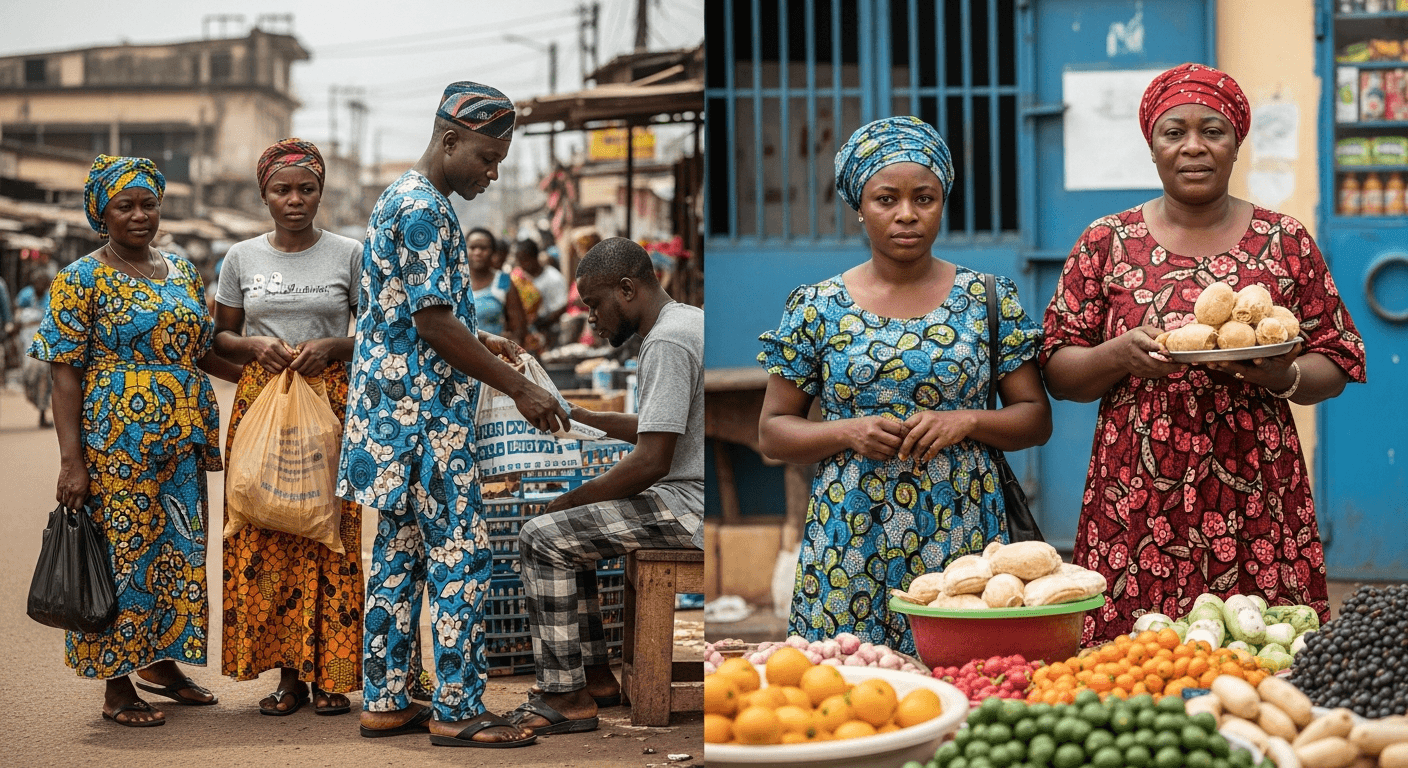
Cost of Living in Port Harcourt 2026: Complete Budget Breakdown
Cost of Living in Port Harcourt 2026: Complete Budget Breakdown
Thinking of moving to the Garden City? Port Harcourt, the heart of Nigeria's oil industry, has a reputation for being both vibrant and expensive. While the opportunities are abundant, the cost of living can catch you by surprise if you're not prepared. From the high-end estates in GRA to the bustling streets of Rumuokoro, understanding the financial landscape of PH is the first step to thriving there.
Overview & Key Takeaways
This guide provides a detailed breakdown of the monthly expenses you can expect while living in Port Harcourt in 2026. We'll cover everything from rent and utilities to food and entertainment, helping you create a realistic budget whether you're a single professional or supporting a family.
- Overall Monthly Budget: A single person can expect to spend between ₦280,000 and ₦550,000 monthly, while a small family of three will likely need ₦600,000 to ₦1,200,000+ for a comfortable life.
- Rent is Your Biggest Bill: Accommodation in areas like GRA Phase 2 or Peter Odili Road can be double the price of areas like Woji or Ada George. Expect to pay ₦600,000 - ₦1.5M annually for a decent self-contain.
- Factor in the 'Gen Life': Your electricity budget must include significant costs for generator fuel and maintenance. PHED supply can be unreliable, making a generator a non-negotiable expense.
- Transport Can Be Tricky: Without a well-developed public transport system, you'll rely on pricey Bolt/Uber rides or running your own car, with fuel prices projected to remain high.
- Shop Smart for Food: You can slash your grocery bill by over 40% by shopping at local markets like Mile 1 or Oil Mill Market instead of exclusively using supermarkets like SPAR.
Port Harcourt at a Glance: What to Expect in 2026
Port Harcourt is a city of contrasts. It's the capital of Rivers State and the central hub of Nigeria's oil and gas sector, which means there's a significant flow of money and a large expatriate community. This economic activity directly influences the cost of goods and services, often pushing them higher than in other major Nigerian cities, sometimes even rivaling parts of Lagos or Abuja.
Life in PH is fast-paced during the day and vibrant at night, with a famous food and entertainment scene. However, residents also contend with unique challenges like the infamous 'soot' (air pollution) and occasional security concerns, which can add to living expenses through healthcare and private security costs. Despite this, its reputation for being a place to 'hammer' (make it big) continues to draw young Nigerians seeking career opportunities.
Average Monthly Cost of Living in Port Harcourt: A Summary
To give you a clear picture, we've created a summary budget for two common profiles: a single young professional and a small family of three. These figures are estimates for 2026, accounting for an annual inflation rate of around 25-30%. Your actual spending will vary based on your lifestyle, location, and financial discipline.
| Expense Category | Single Professional (Mid-Range) | Small Family of 3 (Mid-Range) |
|---|---|---|
| Rent (Annual cost / 12) | ₦80,000 - ₦150,000 | ₦150,000 - ₦300,000 |
| Utilities & Generator | ₦40,000 - ₦70,000 | ₦60,000 - ₦120,000 |
| Transportation | ₦50,000 - ₦90,000 | ₦80,000 - ‐₦150,000 |
| Food & Groceries | ₦60,000 - ₦100,000 | ₦150,000 - ₦250,000 |
| Healthcare (HMO/Out-of-pocket) | ₦10,000 - ₦25,000 | ₦30,000 - ₦60,000 |
| Entertainment & Lifestyle | ₦30,000 - ₦70,000 | ₦50,000 - ₦100,000 |
| Miscellaneous & Savings | ₦30,000 - ₦50,000 | ₦80,000 - ₦150,000 |
| Total Estimated Monthly Cost | ₦300,000 - ₦555,000 | ₦600,000 - ₦1,130,000 |
Tracking these varied costs manually can be a headache. Using an app like TrustAm can automate this process. By linking your bank accounts, TrustAm's AI financial advisor can categorize your spending automatically, showing you exactly where your money is going each month and helping you stick to your Port Harcourt budget.
Detailed Breakdown of Monthly Expenses in Port Harcourt
Let's dive deeper into each category to understand the numbers behind the summary. These costs are specific to the Port Harcourt environment and reflect the realities on the ground.
1. Accommodation & Rent
Rent will be your single largest expense in Port Harcourt. The price is heavily dependent on the neighbourhood, with security and infrastructure being major factors. All prices listed are annual but are often required upfront, sometimes for two years.
- High-End Areas (GRA Phase 1 & 2, Peter Odili Road): These are serene, secure, and well-maintained. Expect to pay ₦1.2M - ₦3M+ for a modern 1 or 2-bedroom flat.
- Mid-Range Areas (Woji, D-Line, Ada George): These offer a good balance of accessibility and relative security. A decent self-contain can range from ₦600,000 - ₦900,000, while a 2-bedroom flat is around ₦1M - ₦2.5M.
- Budget-Friendly Areas (Rumuokoro, Choba, Oyigbo): These areas are further from the city center and have higher population density. You can find a self-contain for ₦300,000 - ₦500,000 here.
Pro Tip: When renting, always budget for agency and agreement fees, which can be an additional 10-20% of your first year's rent.
2. Utilities (The NEPA & Gen Life)
Power is a major, unpredictable expense in Port Harcourt. Your monthly utility bill is a combination of your official PHED bill and the cost to run your generator.
- PHED Bill: For a standard 2-bedroom flat, expect to pay between ₦15,000 - ₦40,000 per month, depending on your usage and the hours of light you get.
- Generator Fuel: This is the killer. With fuel prices around ₦800-₦900 per litre, running a small generator for 4-6 hours daily can cost ₦30,000 - ₦60,000+ per month.
- Generator Maintenance: Servicing your generator (oil change, plugs) is crucial. Budget ₦5,000 - ₦10,000 quarterly. Finding a reliable technician is key; this is where a platform like TrustAm's marketplace comes in handy for locating vetted pros.
- Other Utilities: Factor in about ₦5,000 - ₦10,000 for waste disposal (RIWAMA), estate security levies, and water.
Find Verified Providers on TrustAm
Looking for trusted home service professionals in Port Harcourt? Browse verified providers with payment-backed reviews and escrow protection.
3. Transportation Costs
Getting around Port Harcourt can be expensive as public transport options are limited to buses and kekes that don't cover all routes conveniently. Most residents rely on ride-hailing apps or personal cars.
- Ride-Hailing (Bolt/Uber): A short trip within a neighbourhood like GRA can cost ₦1,500 - ₦2,500. A longer trip, say from Woji to the city centre, can easily be ₦3,000 - ₦5,000 one way. Daily commuting via Bolt could cost you over ₦80,000 a month.
- Local Taxis ('Drop'): These are often slightly cheaper than ride-hailing but require more negotiation.
- Owning a Car: This is the most convenient option but comes with high costs. Beyond the price of fuel, budget for regular maintenance, insurance, and inevitable repairs due to the state of some roads. A monthly fuel budget of ₦50,000 - ₦100,000 is realistic for a daily commuter.
4. Food & Groceries
Your food bill in Port Harcourt can vary dramatically based on where you shop. For effective budgeting, a mix of both supermarkets and local markets is the best strategy.
- Supermarkets (Market Square, SPAR, Everyday Supermarket): Convenient for packaged goods, dairy, and imported items. A full month's shopping here could cost a single person ₦120,000 - ₦200,000.
- Local Markets (Mile 1, Mile 3, Oil Mill): This is where you'll find the best prices for fresh produce, meat, fish, and staple foods like garri, rice, and yams. By shopping here, the same person could cut their monthly food bill to ₦60,000 - ₦90,000.
- Eating Out: Port Harcourt has a fantastic food scene, famous for its Bole and fish. A meal at a mid-range restaurant in GRA can cost ₦8,000 - ₦15,000 per person. A plate of street-side Bole and fish might be ₦2,500 - ₦5,000.
A smart way to manage this is by using a budgeting method like The Zero-Based Budget, where you allocate a specific amount for groceries and eating out at the start of the month. TrustAm helps you track this in real-time so you don't overspend.
5. Entertainment & Lifestyle
After a long week of work, you'll want to unwind. Port Harcourt offers plenty of options, but they come at a price.
- Cinema: A movie ticket at Filmhouse or Genesis Cinemas will set you back ₦3,500 - ₦5,000. Add popcorn and a drink, and you're looking at ₦8,000 for a solo trip.
- Lounges & Bars: A night out with friends in popular spots can easily cost ₦15,000 - ₦30,000 per person, depending on your taste.
- Gym Membership: Expect to pay between ₦20,000 - ₦50,000 per month for a decent gym.
- Personal Care: A standard haircut for men costs ₦1,500 - ₦3,000. For ladies, services like hair braiding can range from ₦8,000 to ₦25,000+. You can find and book vetted barbers and hair stylists on the TrustAm marketplace to compare prices and quality.
Take Control of Your Finances with TrustAm
Living in an expensive city like Port Harcourt requires smart money management. TrustAm's AI-powered budgeting tools help you track every Naira, while our marketplace helps you find trusted, fairly-priced local services, from generator repair to laundry.
Create Your Free Account →Join 50,000+ Nigerians already using TrustAm to manage their money smarter.
Frequently Asked Questions
Is Port Harcourt more expensive than Lagos?
It's a close call and depends on the category. Rent in prime Port Harcourt areas like GRA can be just as expensive, if not more so, than comparable areas in Lagos like Lekki. However, Lagos may have higher overall costs in transportation and daily goods due to its sheer size and population density. For many, the costs are comparable, but the lifestyle and challenges are different.
What is a good salary to live comfortably in Port Harcourt?
To live comfortably as a single person in a mid-range area in 2026, a monthly net income of ₦400,000 to ₦600,000 would be advisable. This allows for rent, bills, savings, and a decent social life. For a family of three, a combined household income of ₦800,000 to ₦1,500,000+ would be needed to cover school fees, larger accommodation, and other family-related expenses without financial strain.
What are the safest areas to live in Port Harcourt?
Generally, the most secure neighbourhoods are considered to be Government Reserved Areas (GRA) Phase 1 and 2, Peter Odili Road, and some parts of D-Line. These areas typically have better infrastructure, private security patrols, and are often located in gated estates. However, they also command the highest rental prices in the city.
How can I reduce my living expenses in Port Harcourt?
You can significantly cut costs by living in more affordable neighbourhoods like Woji or Ada George instead of GRA. Prioritize cooking at home by shopping at local markets like Mile 1. For transportation, consider carpooling with colleagues if possible. Finally, track all your spending diligently with a budgeting app like TrustAm to identify and eliminate financial leaks.
Find verified service providers
Verified providers. Payment held safe until the job is done. Reviews only from real, paid bookings.
Download TrustAm
AI-powered budgeting, instant P2P payments, and escrow protection. Built for Nigeria.
Or get a download link sent to your phone
Chisom Anen
Founder and CEO of TrustAm. Building Nigeria's reputation marketplace for verified service providers. Reviews unlock only after real payments.
Disclaimer: This article is for informational purposes only and does not constitute financial advice. Always consult a qualified financial professional before making major financial decisions.
Disclosure: This article is published by TrustAm, a financial technology company. Some links in this article may direct to our own products.
Sources & References
- National Bureau of Statistics — Consumer Price Index— nigerianstat.gov.ng
- Numbeo — Cost of Living in Nigeria— numbeo.com
- PropertyPro.ng — Rental Market Data— propertypro.ng
- World Bank — Nigeria Economic Update— worldbank.org
- BudgIT — Fiscal Data— budgit.org
Related Articles



Free Tools You Might Find Useful
Try these free calculators and tools related to this article.