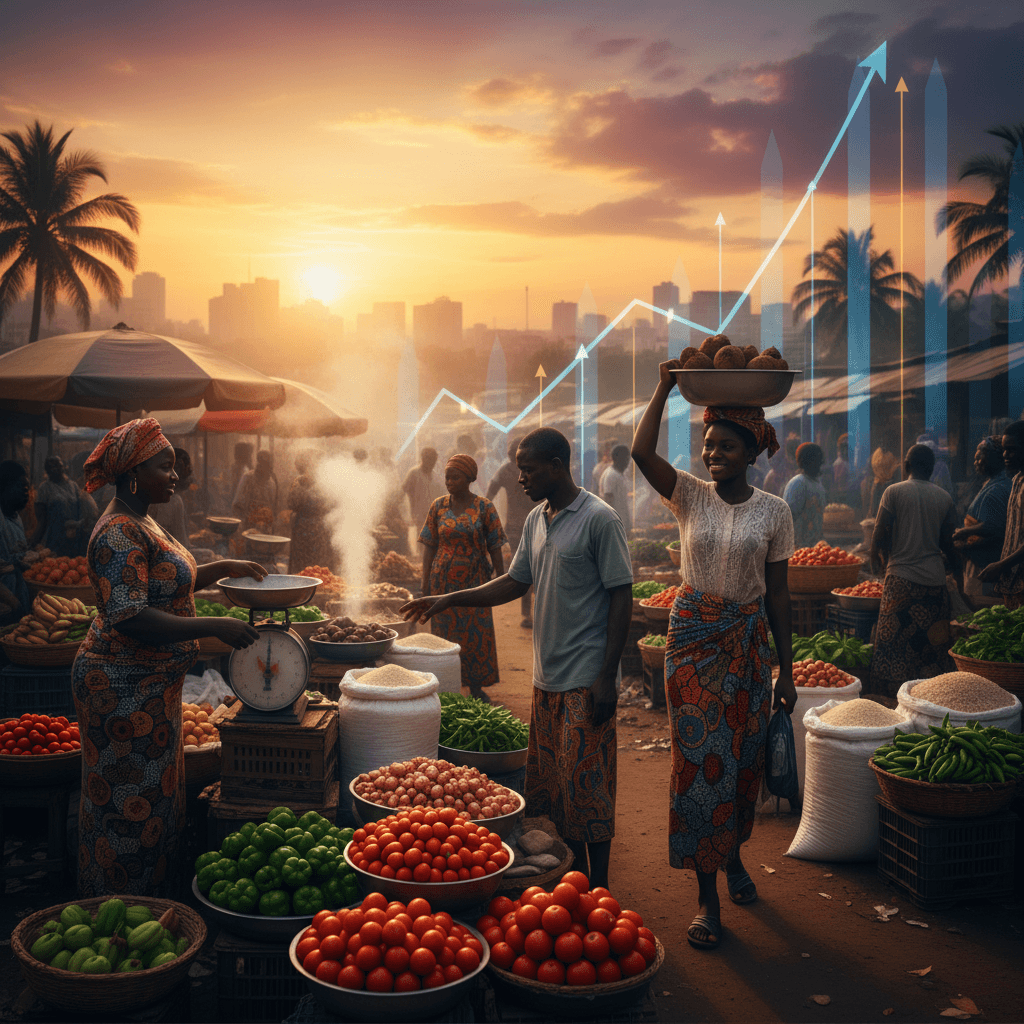
Food Price Trends in Nigeria: What to Expect in 2026
Food Price Trends in Nigeria: What to Expect in 2026
The cost of living in Nigeria has become a constant topic of discussion, especially when it comes to food. With the "sapa" feeling becoming more pronounced for many households, understanding food price trends isn't just an economic exercise; it's a critical survival strategy. As we look towards 2026, many Nigerians are asking: will food become more affordable, or should we brace for further increases? This comprehensive guide dives into the factors driving food prices, forecasts what to expect for key staples, and provides actionable strategies to help you manage your food budget in the coming year.
Understanding the Current Landscape of Food Prices in Nigeria (2026 Context)
Nigeria's food prices have experienced significant volatility and upward trends in recent years, primarily driven by a confluence of economic shocks and structural issues. As of early 2026, the national food inflation rate hovers around 25-30% according to the National Bureau of Statistics (NBS), a figure that dramatically impacts the purchasing power of the average Nigerian.
The current landscape is shaped by several powerful forces. The removal of the fuel subsidy in mid-2023 led to a drastic surge in transportation costs, directly impacting the movement of food from farms to markets across the country. This, coupled with the continued depreciation of the Naira against major international currencies (often fluctuating between ₦1,500 and ₦2,000 to $1 on the official market), has made imported food items and agricultural inputs like fertilizers and machinery significantly more expensive. Furthermore, persistent insecurity in key food-producing regions, particularly the North-Central and North-West, has disrupted farming activities, reduced supply, and increased the risk premium for farmers and traders. These factors combine to create a challenging environment where the price of essential staples like rice, garri, and yam continues its upward trajectory.
Key Factors Driving Food Inflation in Nigeria
- Fuel Subsidy Removal: Increased transportation costs for moving food from farms to urban centers.
- Naira Depreciation: Higher cost of imported food items, agricultural machinery, and inputs like fertilizers.
- Insecurity: Banditry, kidnapping, and communal clashes disrupt farming, leading to reduced harvest and higher production risks.
- Climate Change: Unpredictable weather patterns, including floods and droughts, negatively affect crop yields.
- Logistics and Infrastructure: Poor road networks and inefficient supply chains add to the cost of food distribution.
- Global Commodity Prices: International prices of commodities like wheat and sugar can influence local prices due to import dependence.
- Post-Harvest Losses: Inadequate storage facilities lead to significant spoilage, reducing available supply.
Key Factors Influencing Food Price Trends in 2026
Several critical factors are poised to influence food price trends throughout 2026, determining whether Nigerians will experience relief or further strain on their food budgets. Understanding these influences is crucial for both consumers and policymakers as they navigate the economic landscape of the coming year.
Government policies will play a significant role; for instance, the effectiveness of agricultural intervention programs, such as CBN's Anchor Borrowers' Programme (ABP) or new initiatives aimed at boosting local production, could either mitigate or exacerbate price pressures. Exchange rate volatility will continue to be a major determinant, as a further weakening of the Naira would inevitably drive up the cost of imported food items and agricultural inputs, even if local production improves. Security challenges in agricultural belts remain a persistent threat, with continued unrest potentially leading to reduced harvests and higher prices for staples like maize, beans, and millet. Moreover, global events, including geopolitical tensions and oil price fluctuations, can indirectly impact food prices by affecting shipping costs and the availability of imported goods. Finally, climate change impacts, such as unexpected floods during planting seasons or prolonged droughts, could severely affect crop yields and push prices higher for perishable goods and grains.
Major Influences on 2026 Food Prices
- Government Agricultural Policies: Implementation and effectiveness of schemes to boost local food production, provide farmer support, and manage food reserves.
- Exchange Rate Stability: The Naira's performance against major currencies like the USD will dictate the cost of imported food and farm inputs.
- Security Situation: Continued improvements or deterioration in security in farming communities will directly impact food supply and production costs.
- Climate Patterns: The timing and intensity of rainfall, coupled with potential for floods or droughts, will affect crop yields significantly.
- Fuel Prices and Logistics: Any further adjustments to fuel prices or improvements in transport infrastructure will impact distribution costs.
- Global Food Market Trends: International prices for staples like wheat, rice, and sugar, influenced by global supply and demand dynamics, can spill over into Nigeria's market.
- Infrastructure Development: Investments in rural roads and storage facilities can reduce post-harvest losses and improve market access for farmers.
What to Expect: Forecasted Food Price Trends for Major Staples in 2026
While precise predictions are challenging in Nigeria's dynamic economic environment, it is generally anticipated that food prices will remain elevated through 2026, with some staples potentially seeing marginal increases or slight stabilization depending on specific interventions and harvest outcomes. Consumers should prepare for a continued high-cost environment, particularly for items heavily impacted by import costs and security issues.
For key staples: Rice, both local and imported, is expected to remain expensive. A 50kg bag of local rice, currently retailing for around ₦60,000-₦75,000 in major cities like Lagos and Abuja, may see further incremental increases, possibly reaching ₦80,000 if local production doesn't significantly ramp up and the Naira remains weak. Garri, a Nigerian staple, is likely to follow suit; a paint bucket currently around ₦3,000-₦4,500 depending on location and quality, could see a 10-15% rise if cassava harvests are poor due to climate issues. Beans prices, already high due to security concerns in northern farming regions, may continue to climb. Yam, a seasonal crop, will likely see price fluctuations based on harvest cycles, but overall prices are not expected to drop significantly from their current elevated levels (a tuber costs about ₦2,500-₦5,000). Palm oil, driven by both local production and global demand, could also experience upward pressure. Vegetables and perishable items will remain highly susceptible to transport costs and seasonal variations. Overall, consumers should budget for food expenses to remain a significant portion of their monthly outgoings, possibly consuming 40-60% of an average household's income, depending on their earnings and location.
Price Expectations for Key Food Items in 2026
- Rice (Local & Imported): Expected to remain high, possibly increasing by another 5-10% from current prices.
- Garri: Likely to see continued upward pressure, especially during lean seasons or if cassava harvests are poor.
- Beans: Prices are expected to remain elevated due to security challenges affecting major producing areas.
- Yam: Seasonal fluctuations will occur, but overall prices are not likely to return to pre-2023 levels.
- Palm Oil: Could see moderate increases influenced by global commodity markets and local production.
- Vegetables & Fruits: Highly dependent on seasonality, transport costs, and localized weather conditions; expect continued volatility.
- Poultry & Fish: Feed costs (impacted by exchange rate) and fuel for cold storage will keep prices relatively high.
Strategies to Cope with Rising Food Costs in Nigeria
Navigating the terrain of rising food prices requires strategic financial planning and smart consumption habits. By adopting proactive measures, Nigerian households can mitigate the impact of increased food expenses and stretch their budgets further.
One of the most effective strategies is meticulous budgeting. Understanding where your money goes is the first step to controlling it. TrustAm's AI financial advisor can help you track your spending, categorize expenses, and identify areas where you can save. You can also leverage tools like our Monthly Budget Template for Nigerian Households in 2026 to create a realistic plan. Bulk buying, especially for non-perishable items like rice, beans, and garri, can lead to significant savings, but requires careful storage to prevent spoilage. Exploring local markets (e.g., Mile 12 in Lagos or Utako market in Abuja) where you can buy directly from wholesalers or farmers can often yield better prices than supermarkets. Reducing food waste by planning meals, properly storing leftovers, and repurposing ingredients is also crucial. Consider growing some of your own vegetables if you have space, even a small garden can provide fresh produce. Finally, explore seasonal produce which is usually more abundant and cheaper. For instance, buying mangoes when they are in season is always more economical than buying them off-season.
Actionable Tips for Managing Your Food Budget
- Create a Detailed Food Budget: Allocate a specific amount for food monthly and stick to it. Use apps like TrustAm for spending analytics.
- Shop in Bulk: For non-perishable items, buying in larger quantities from wholesale markets can offer better per-unit prices.
- Buy Seasonal & Local: Prioritize fruits and vegetables that are currently in season and produced locally, as they are often cheaper and fresher.
- Meal Planning & Cooking at Home: Plan your meals for the week to avoid impulse purchases and reduce eating out, which is often more expensive.
- Reduce Food Waste: Store food properly, utilize leftovers, and compost organic waste to maximize your purchases.
- Explore Local Markets: Bypass intermediaries by sourcing directly from farmers or market traders in major food hubs.
- Consider Alternative Staples: If rice prices are too high, consider more affordable alternatives like local yam flour (amala) or plantain flour.
- Grow Your Own: Even a small backyard garden or balcony farm can provide fresh herbs and vegetables, saving you money.
Exploring Alternative Income Streams to Offset Food Expenses
In an environment where food costs are consistently rising, relying solely on a fixed income can be financially draining. Many Nigerians are now actively seeking additional income streams to supplement their earnings and maintain their desired standard of living. Diversifying your income is no longer a luxury but a necessity for financial resilience.
One effective approach is to leverage your skills and time through side hustles. For example, if you have culinary skills, you could start a small catering business for owambes or prepare healthy meal preps for busy professionals. If you're tech-savvy, offering social media management, graphic design, or virtual assistant services online can fetch good rates. The gig economy is booming, and platforms like TrustAm's upcoming services marketplace will connect you with clients seeking various local services, from home repairs to tutoring, allowing you to monetize your expertise easily. Consider turning a hobby into a money-maker, such as baking, tailoring, or even offering danfo/keke maintenance if you have mechanical skills. Even small ventures can significantly boost your monthly income, helping to offset the increasing cost of your food basket. For more ideas on boosting your earning potential, check out our article on Top 10 Highest Paying Jobs in Nigeria in 2026, which also features roles with high side-hustle potential.
Side Hustle Ideas to Boost Your Income
- Online Freelancing: Offer skills like writing, graphic design, web development, or virtual assistance on platforms like Upwork or Fiverr.
- Catering/Baking: Capitalize on Nigeria's vibrant event culture by offering small chops, cakes, or meal delivery services.
- Tutoring/Teaching: Share your knowledge in academic subjects, music, or languages, either online or in-person.
- Content Creation: Start a YouTube channel, blog, or social media page focused on a niche you're passionate about, eventually monetizing through ads or sponsorships.
- Local Services (via TrustAm Marketplace): Offer services like home cleaning, repairs, personal shopping, or errand running.
- Reselling: Buy trending products at wholesale prices and sell them online or through social media.
- Logistics/Delivery Services: With a bike or car, you can offer pickup and delivery services for businesses or individuals.
- Consulting: If you have expertise in a specific field (e.g., finance, marketing, HR), offer consulting services to small businesses.
The rising food prices in Nigeria present a significant challenge for households across the nation, and 2026 is unlikely to bring immediate relief. However, by understanding the underlying factors, proactively planning your finances, and exploring additional income streams, you can navigate these trends more effectively. Resilience, adaptability, and smart financial management will be your strongest allies in ensuring your family remains well-fed without succumbing to "sapa."
Ready to take control of your finances amidst rising costs? Download the TrustAm app today to gain insights into your spending, manage your budget with AI assistance, and explore opportunities to earn more through our services marketplace. It's time to empower your financial journey!
Frequently Asked Questions
Why are food prices so high in Nigeria in 2026?
Food prices in Nigeria are elevated in 2026 due to a combination of factors including the removal of fuel subsidies leading to higher transportation costs, the continuous depreciation of the Naira which increases the cost of imported food and agricultural inputs, persistent insecurity in food-producing regions disrupting farming, and the impact of climate change on crop yields. These factors collectively reduce supply and increase the cost of getting food to market.
Will food prices come down in Nigeria in 2026?
While some stabilization or marginal reductions might occur for specific seasonal items, a significant overall reduction in food prices across Nigeria in 2026 is unlikely given the current economic realities. Factors like exchange rate volatility, security challenges, and high fuel costs are expected to maintain upward pressure on prices. Consumers should prepare for continued high costs rather than anticipating a substantial decrease.
How can I save money on food in Nigeria?
To save money on food in Nigeria, consider strategies such as creating and sticking to a detailed food budget, buying non-perishable items in bulk from wholesale markets, prioritizing seasonal and locally produced foods, and planning your meals to reduce food waste. Cooking at home more often, avoiding impulse purchases, and exploring cheaper alternatives to expensive staples can also lead to significant savings.
What is the average food inflation rate in Nigeria for 2026?
As of early 2026, the average food inflation rate in Nigeria is hovering around 25-30% according to data from the National Bureau of Statistics (NBS). This represents a significant increase that impacts the purchasing power of households and makes managing daily expenses, especially food, a major challenge for many Nigerians.
What are the major food staples affected by price increases in Nigeria?
Major food staples significantly affected by price increases in Nigeria include rice (both local and imported), garri, beans, yam, and palm oil. Poultry and fish prices are also high due to increased feed costs and fuel expenses for cold storage. Vegetables and fruits experience volatility based on seasonality and transport costs, but generally remain elevated compared to previous years.
Find verified service providers
Verified providers. Payment held safe until the job is done. Reviews only from real, paid bookings.
Download TrustAm
AI-powered budgeting, instant P2P payments, and escrow protection. Built for Nigeria.
Or get a download link sent to your phone
Chisom Anen
Founder and CEO of TrustAm. Building Nigeria's reputation marketplace for verified service providers. Reviews unlock only after real payments.
Disclaimer: This article is for informational purposes only and does not constitute financial advice. Always consult a qualified financial professional before making major financial decisions.
Disclosure: This article is published by TrustAm, a financial technology company. Some links in this article may direct to our own products.
Sources & References
- National Bureau of Statistics — Consumer Price Index— nigerianstat.gov.ng
- Central Bank of Nigeria — Monetary Policy Rate— cbn.gov.ng
- World Bank — Nigeria Economic Update— worldbank.org
- IMF — World Economic Outlook (Nigeria)— imf.org
- FAO — Nigeria Food Price Monitoring— fao.org
- BudgIT — Fiscal Data— budgit.org
- SMEDAN— smedan.gov.ng
Related Articles



Free Tools You Might Find Useful
Try these free calculators and tools related to this article.
Lagos Budget
Plan your monthly budget for living in Lagos with realistic cost breakdowns.
Use free tool →Abuja Budget
Plan your monthly budget for living in Abuja with realistic cost breakdowns.
Use free tool →PH Budget
Plan your monthly budget for living in Port Harcourt.
Use free tool →Ibadan Budget
Plan your monthly budget for living in Ibadan with affordable cost breakdowns.
Use free tool →