How to Budget ₦200,000 Salary in Asaba: Realistic 2026 Breakdown

Overview & Key Takeaways
Learn how to effectively budget a ₦200,000 salary in Asaba for 2026, covering essential expenses, savings, investments, and discretionary spending. Discover practical tips for maximizing your income and achieving financial goals.
- Prioritize essential needs like rent, food, transportation, and utilities, allocating a realistic portion of your ₦200,000 income.
- Set clear savings and investment goals, aiming for at least 15-20% of your income to build long-term wealth.
- Factor in discretionary spending for leisure, personal care, and unexpected expenses to maintain a balanced lifestyle.
- Leverage technology like the TrustAm app for AI-powered budgeting, expense tracking, and smart financial management.
- Continuously review and adjust your budget to adapt to changing income, expenses, and financial goals in Asaba.
Understanding Your Income and Expenses in Asaba
A ₦200,000 monthly salary in Asaba provides a good quality of life, but the cost of living can still be a factor. Asaba, while more affordable than Lagos or Abuja, has its own price points for rent, food, transportation, and services. The first step to budgeting is to honestly assess where your money is currently going. Track your spending for a month using a notebook, a spreadsheet, or a budgeting app. This will give you a clear picture of your expenditure patterns, highlighting areas where you might be overspending or could cut back. Here’s a typical breakdown of how a ₦200,000 salary might be allocated:- Rent/Mortgage: This is often the largest expense. In Asaba, a decent apartment can range from ₦50,000 to ₦100,000 depending on location and size.
- Utilities: Electricity (NEPA/PHCN), water, and internet costs can add up. Budget around ₦10,000 - ₦20,000.
- Food & Groceries: Feeding yourself and potentially family members will be a significant chunk, around ₦40,000 - ₦70,000.
- Transportation: Commuting within Asaba via Keke, danfo, or personal vehicle can cost ₦10,000 - ₦25,000.
- Personal Care/Health: This includes toiletries, haircuts, gym memberships, and potential medical expenses. Budget ₦10,000 - ₦25,000.
- Debt Repayments: If you have loans or credit card debt, allocate funds here.
- Savings & Investments: Essential for future security. Aim for at least 15-20%.
- Discretionary Spending: For leisure, entertainment, dining out, and hobbies.

The 50/30/20 Rule: A Flexible Budgeting Framework
The 50/30/20 rule is a popular and straightforward budgeting method that can be adapted for a ₦200,000 salary in Asaba. It suggests allocating your income as follows:- 50% for Needs (₦100,000): This covers your essential living expenses. In Asaba, this would include rent (e.g., ₦60,000), utilities (₦15,000), food (₦50,000), transportation (₦20,000), and essential debt payments. You might need to adjust these figures based on your specific circumstances; for example, if rent is higher, you'll need to cut back elsewhere within the 'Needs' category.
- 30% for Wants (₦60,000): This is for discretionary spending – things that make life enjoyable but aren't strictly necessary. This could include dining out, entertainment, new clothes, hobbies, subscriptions, or even booking a relaxing massage therapy session.
- 20% for Savings & Debt Repayment (₦40,000): This is crucial for your financial future. It should cover building an emergency fund, investing for long-term goals, and aggressively paying down any high-interest debt. Aim to split this between savings and debt repayment based on your priorities.
Incorporating Services and Life Events
Life in Nigeria often involves unpredictable events and the need for various services. Your budget should be flexible enough to accommodate these.- Home Maintenance: Things break. Whether it's a faulty AC or a leaky pipe, you need a buffer. A qualified AC repair technician might charge ₦15,000 - ₦40,000 for a call-out and repair in Lagos, and similar rates or slightly less could apply in Asaba. Having funds for unexpected service provider needs is vital.
- Personal Growth: Investing in yourself is never a waste. This could mean paying for professional development courses, driving lessons (which can cost ₦30,000 - ₦60,000 in Lagos, likely similar in Asaba), or even hiring a trusted tutor.
- Social Obligations & Events: Owambes, birthdays, and other celebrations are part of Nigerian culture. Allocate a monthly amount for gifts, contributions, and attending events. This could be part of your 'Wants' or a separate small category.
- Transportation Upgrades: If you rely on public transport, perhaps you're saving for a down payment on a car or even a used motorbike.
Leveraging Technology for Smart Budgeting
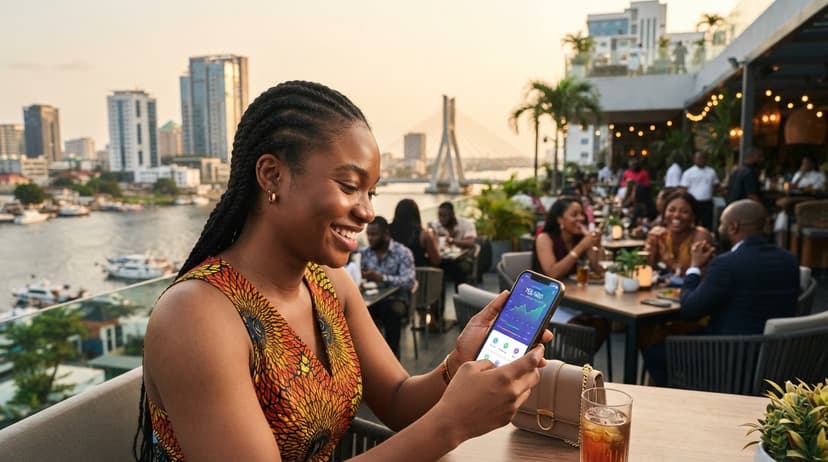
Managing finances in 2026 is significantly easier with technology. Instead of relying solely on manual tracking, consider digital tools:- Budgeting Apps: Apps like the TrustAm platform offer AI-powered budgeting tools that can analyze your spending, categorize transactions, and provide insights into your financial habits. This helps you stick to your plan and identify areas for improvement.
- Mobile Banking: Most Nigerian banks offer robust mobile apps. Use them to monitor your accounts daily, set up automated transfers to savings accounts, and track your balances. Kuda, OPay, and other digital banks are also excellent options for managing day-to-day finances.
- Payment Request Links: If you're a freelancer or service provider, TrustAm allows you to create payment request links, making it easier for clients to pay you securely, which can then be integrated into your budget.
- Expense Tracking: TrustAm’s spending analytics can show you precisely where your money goes, helping you make informed decisions about future spending and savings.
Building Savings and Investments
It's tempting to spend your entire ₦200,000 salary, especially with so many opportunities for enjoyment in Asaba. However, long-term financial security hinges on consistent saving and investing. Aim to set aside at least 15-20% of your income, which translates to ₦30,000 - ₦40,000 per month. Your savings should ideally be structured:- Emergency Fund: Aim for 3-6 months of essential living expenses. This fund is for unexpected job loss, medical emergencies, or major repairs. Keep it in an easily accessible savings account.
- Short-Term Goals: Saving for a specific purchase like a phone, a new appliance, or a vacation.
- Long-Term Investments: For wealth creation, consider options like:
- Treasury Bills (T-Bills): Government-backed, offering relatively low risk and stable returns.
- Mutual Funds: Diversified investment vehicles managed by professionals.
- Real Estate: A longer-term play that can offer significant returns.
- Stocks: Higher risk, but potentially higher reward.
Reviewing and Adjusting Your Budget
Your budget isn't a static document; it's a living plan that needs regular review. Life in Asaba, like anywhere else in Nigeria, is dynamic. Your income might change, your expenses could fluctuate, or your financial goals might shift. Make it a habit to:- Review Weekly/Bi-weekly: Briefly check your spending against your budget to catch any deviations early.
- Monthly Review: Conduct a more thorough review at the end of each month. Analyze what worked, what didn't, and why.
- Quarterly/Annual Review: For major adjustments. Did you get a raise? Are your savings goals still relevant? Should you reallocate funds?
Take Control of Your Finances with TrustAm
Managing a ₦200,000 salary in Asaba requires smart planning. TrustAm’s AI budgeting tools and spending analytics help you stay on track, while our secure marketplace connects you with verified service providers, ensuring your money is spent wisely and safely.
Say Hi on WhatsAppFrequently Asked Questions
How much should I allocate for rent on a ₦200,000 salary in Asaba?
What are the best savings options for someone earning ₦200,000 in Nigeria?
Is it possible to save money while living in Asaba on ₦200,000?
How can TrustAm help me budget my ₦200,000 salary?
What are realistic costs for services like plumbers or electricians in Asaba?
The market and your bank, in one chat.
Your own bank account and the artisans you book, in one WhatsApp chat. Just say Hi.
Prefer the app? App Store · Google Play
Founder and CEO of TrustAm. Building Nigeria's reputation marketplace for verified service providers. Reviews unlock only after real payments.
Disclaimer: This article is for informational purposes only and does not constitute financial advice. Always consult a qualified financial professional before making major financial decisions.
Disclosure: This article is published by TrustAm, a financial technology company. Some links in this article may direct to our own products.
Sources & References
- Nigerian Bureau of Statistics (NBS)— nigerianstat.gov.ng
- Central Bank of Nigeria (CBN)— cbn.gov.ng
- The World Bank in Nigeria— worldbank.org
- Paystack Blog - Fintech & Payments in Africa— paystack.com
Related Articles


Free Tools You Might Find Useful
Try these free calculators and tools related to this article.