How to Know What to Restock Without Guessing
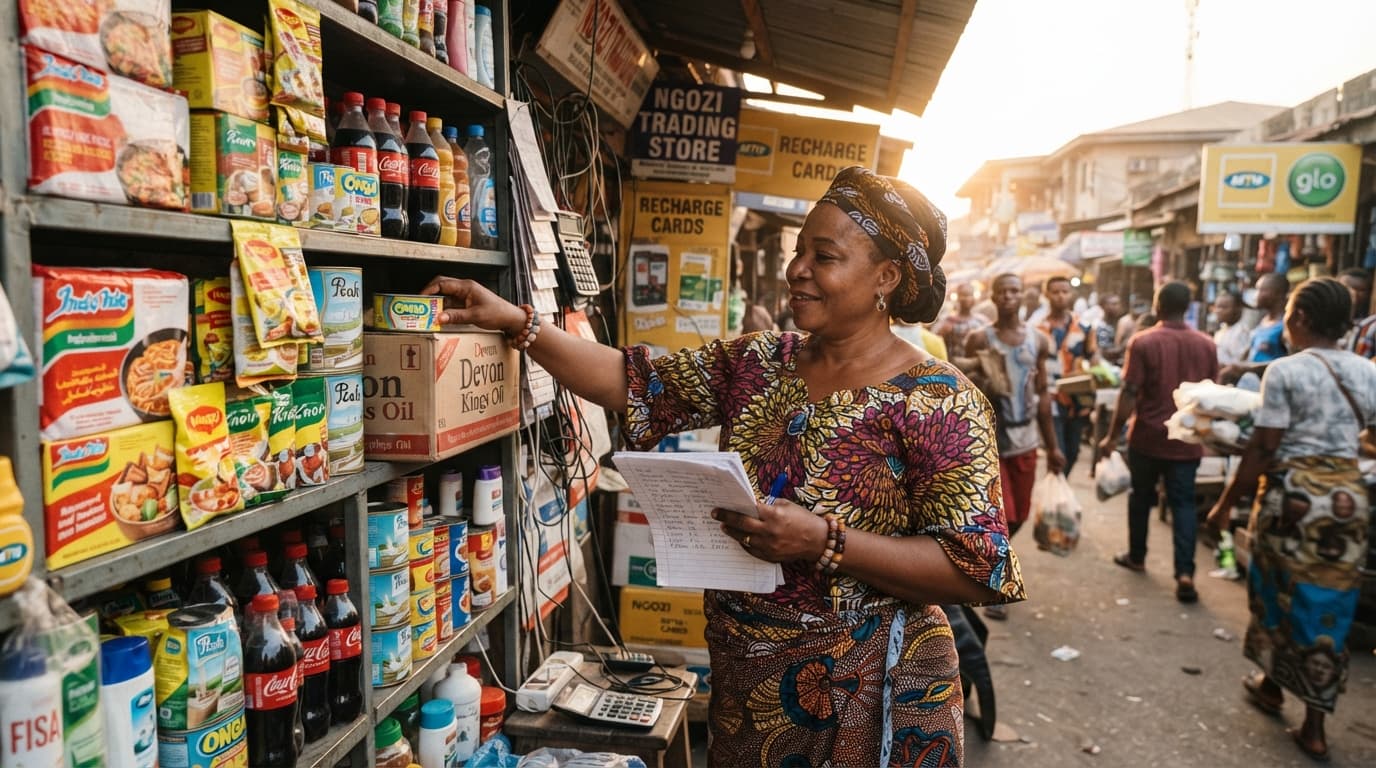
Imagine this: customers are lining up, you’re busy serving, and suddenly you realise you’re out of the popular phone chargers. Again. Or worse, you have too much of something that’s just sitting there, gathering dust. It’s frustrating, right? Knowing what to restock, and when, is key to keeping your customers happy and your money working for you. You don't want to be guessing when your wallet is on the line. TrustAm helps you see your stock clearly, without you having to be an accountant. You collect payment, and your stock counts itself down. It’s that simple.
Overview & Key Takeaways
This article explains how busy traders and shop owners can avoid stocking guesswork by using simple tools to track what’s selling and what’s not. Learn how to make smarter stocking decisions that save you money and keep customers coming back.
- Track sales automatically as you receive payments.
- See exactly which products are flying off the shelves and which are not.
- Get alerts when popular items are running low.
- Avoid tying up cash in slow-moving stock.
- Use real sales data, not just gut feeling, to decide what to buy next.
Why Guessing Your Stock Is Costing You Money
Guessing what to restock is like throwing money into the wind. If you buy too much of something, your cash is tied up. You can’t use that money to buy more of what people actually want, or for other needs. If you buy too little, customers get disappointed, and they might go to your competitor next time. This hurts your sales and your reputation. For example, if you run a phone accessories stall in Computer Village and you keep running out of screen protectors for the latest iPhone, you’re losing potential profit and making customers unhappy. Knowing what sells is the first step to making more money. You can learn more about why your shop might feel busy but the drawer is empty in this article.

How TrustAm Helps You Track What Sells
The biggest challenge for most traders is that keeping records is hard and time-consuming. You’re busy serving customers, haggling prices, and managing your shop. Who has time to write down every single sale or check stock levels manually? TrustAm turns this problem on its head. When a customer pays you through TrustAm, the sale is automatically recorded. This means your sales records write themselves. More importantly, if you sell products individually, TrustAm helps your stock count itself down with every payment. You don't have to remember to log it. This is a game-changer because your sales data is always up-to-date, even when you’re swamped. You can track daily sales without writing them down.
Sales Happen, Records Follow
With TrustAm, you can send a simple payment request. For example, "N3,000 for 2 Samsung chargers." When the customer pays, TrustAm records the sale and automatically reduces the count for Samsung chargers if you’ve set that up. This happens instantly. No need to stop what you’re doing to log it. This is different from other systems where you have to remember to enter the sale *after* the customer leaves. In a busy market like Balogun Market, that’s a recipe for missed entries. TrustAm ensures that every payment collected is a recorded sale, giving you a clear picture of what’s moving.
Know Your Best Sellers
Once sales are recorded automatically, you can easily see which products are your best sellers. TrustAm helps you understand your real profit per product. Knowing this allows you to focus your buying power on items that bring in the most money and keep your customers coming back for more. Instead of just buying what you *think* will sell, you’ll know for sure.
Avoiding Dead Stock and Low Stock Alerts
Nobody wants to be stuck with products that nobody buys. This is called dead stock. It’s money that’s just sitting there, not making you any profit. On the flip side, running out of popular items means lost sales. TrustAm’s inventory management features help you avoid both problems.

Stock Counts Down Automatically
When you sell an item and receive payment through TrustAm, the stock for that item automatically goes down. If you have 10 phone cases and sell 2, TrustAm knows you now have 8. This happens every time you get paid for that item. This feature is a huge help for busy traders who can’t always keep a manual count.
Low Stock Warnings
TrustAm can warn you when your stock for a particular item is getting low. You can set it to alert you when you have, say, only 3 of an item left. This gives you enough time to reorder before you completely run out. This is incredibly useful for popular items that you don’t want to ever be out of stock for. Imagine a busy boutique owner in Enugu knowing exactly when to reorder those trending ankara fabrics before they sell out. It helps you fulfill customer demand consistently.
Identifying Dead Stock
If an item hasn’t sold for a while (TrustAm can flag items that haven’t sold in 90 days), it’s a sign it might be dead stock. This helps you make informed decisions. Maybe you need to put it on sale, bundle it with another product, or simply stop ordering it altogether. This prevents you from wasting money on items that don’t move.
Making Smart Buying Decisions with Data
The goal is to buy what your customers want, when they want it. Guessing leads to missed opportunities and wasted money. TrustAm gives you the data you need to make smart buying decisions.
Understand Your Sales Trends
By looking at your recorded sales, you can see which products are selling well over time. Are sales of phone chargers increasing? Are certain types of clothing always popular? This information is gold. It helps you decide how much of each item to order from your suppliers. For example, a food vendor in a busy market like Oshodi can see if sales of puff-puff increase on weekends and adjust their buying accordingly.
Restock Guidance
TrustAm’s system can even offer guidance based on your actual sell-through rates. If a product is selling quickly, it suggests you might need to restock sooner or order more. If something is slow, it suggests you might not need to reorder it yet. This data-driven approach takes the guesswork out of restocking.
Focus on Profitability
Ultimately, restocking is about maximizing profit. By knowing what sells and what doesn’t, you can ensure that the money you spend on inventory is spent on products that will turn into profit. This is about making your business more efficient and profitable, whether you sell phone accessories, food, or fashion items. Every trader wants to know if their shop made money today, and smart restocking is a big part of that answer.
TrustAm: Your Stock Keeper on WhatsApp
The best part is that you don't need a separate app or complicated software. TrustAm works right inside WhatsApp, a platform you already use every day. It’s designed for traders like you, who are always on the move. Setting it up takes just a couple of minutes, and you can start tracking your stock and sales immediately. No app to download is needed. You can even use voice notes to record expenses or ask questions about your business numbers in Pidgin, English, Yoruba, Igbo, or Hausa. Get smart about what you stock, keep your customers happy, and watch your profits grow.
Start Free on WhatsApp
Stop guessing and start knowing what to restock. TrustAm’s WhatsApp assistant makes inventory tracking as easy as receiving a payment.
Say Hi on WhatsAppFrequently Asked Questions
How do I record stock that I buy?
What if I sell items in different quantities?
Can TrustAm help me if I have a small kiosk or a large shop?
How does TrustAm prevent fake alerts when I get paid?
What happens if I forget to record a sale made with cash?
The market and your bank, in one chat.
Your own bank account and the artisans you book, in one WhatsApp chat. Just say Hi.
Prefer the app? App Store · Google Play
Founder and CEO of TrustAm. Building Nigeria's reputation marketplace for verified service providers. Reviews unlock only after real payments.
Disclaimer: This article is for informational purposes only and does not constitute financial advice. Always consult a qualified financial professional before making major financial decisions.
Disclosure: This article is published by TrustAm, a financial technology company. Some links in this article may direct to our own products.
Sources & References
- Federal Inland Revenue Service— firs.gov.ng
- Corporate Affairs Commission— cac.gov.ng
- Small and Medium Enterprises Development Agency— smedan.gov.ng
- Securities and Exchange Commission Nigeria— sec.gov.ng
- Nigerian Exchange Group— ngxgroup.com
Related Articles



Free Tools You Might Find Useful
Try these free calculators and tools related to this article.