
How to Negotiate Better Prices With Your Supplier Using Your Own Records
Overview & Key Takeaways
As a Nigerian trader, knowing your numbers is your strongest weapon when talking prices with suppliers. This guide shows you how to use your sales and expense records to get better deals and save money.
- Your sales history shows what sells best and what you can afford to buy.
- Tracking your expenses helps you see where your money goes and what you can cut back on.
- Accurate records give you confidence to ask for discounts or better payment terms.
- Knowing your profit per product helps you decide which items are worth negotiating harder for.
- TrustAm makes gathering these records easy because they happen when you get paid, not later.
How to Negotiate Better Prices With Your Supplier Using Your Own Records
Imagine you are standing at your stall in Balogun Market, or maybe in your shop in Oshodi Market. Your supplier walks up, ready to give you the usual price for your goods. But this time, you have something new: clear records of your business. How can you use this information to get a better deal? It’s simpler than you think. Your own numbers are your secret weapon.
Why Your Records Are Your Strongest Negotiation Tool
Many traders rely on gut feeling or what they remember when talking to suppliers. But what if you could walk into that negotiation armed with facts? Your sales records show exactly what is moving fast in your shop. Your expense records show where your money is going. This information is gold. It tells you how much you can afford to buy, what quantities are best, and what profit margins you need to maintain. Without these records, you are just guessing. With them, you are in control.
Think about it like this: if you know you sell 100 pieces of a certain item every week, and you know your profit on each one, you can tell your supplier, “Look, I’m moving this product consistently. I need a better price per unit if I’m going to keep buying this volume from you.” This isn’t begging; it’s a business discussion based on facts. It helps you track your sales accurately, so you know your best-sellers.
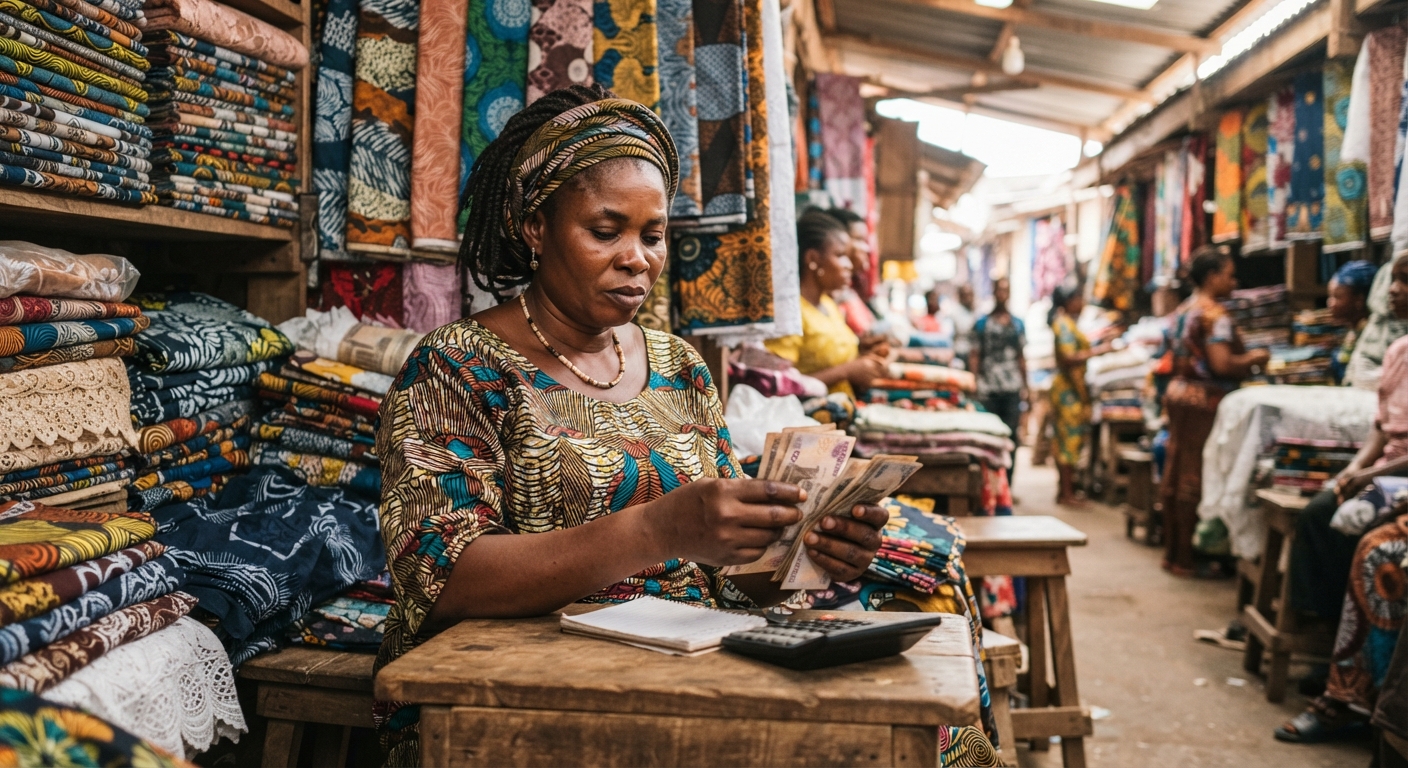
Having good records also helps you avoid problems. For example, you can easily see if a supplier is charging you more than usual, or if you are being overcharged for something you bought. This helps you avoid scams and unfair pricing.
Knowing What Sells: Using Sales Data for Better Deals
The first step to negotiating better prices is understanding what you sell most. If you can show a supplier that you are a consistent buyer of their product, and that it’s a fast-moving item in your shop, you have leverage. Your sales records are proof of this demand. You can say, “I bought 50 units of this last week, and I’m almost out. I can take 100 units this week if the price is right.” This shows commitment and volume.
TrustAm helps you do this easily. Every time you get paid, the sale is automatically recorded. You don't need to stop what you are doing to write anything down. At the end of the day, you can quickly see which products brought in the most money. This helps you decide which items to focus on and which suppliers to negotiate with for better terms. You can even see your real profit per product, which is crucial for smart negotiation.
Consider this: if you buy a bag of rice for ₦30,000 and sell it for ₦32,000, your profit is ₦2,000. If you sell 20 bags in a month, that’s ₦40,000 profit. If your supplier offers you a 5% discount on bulk purchases of 20 bags or more, you save ₦1,500 per bag (5% of ₦30,000). This means your profit jumps to ₦3,500 per bag, and ₦70,000 for the month! That’s a significant difference. Your sales records, like those you’d get from TrustAm, make these calculations clear.
Tracking Your Expenses: Where Your Money Goes
Negotiating isn't just about what you sell; it's also about what you spend. Knowing your expenses helps you understand your true profit margin and how much room you have to negotiate. If you know exactly how much you spend on goods, transport, rent, and other costs, you can identify areas where you might be overspending. This knowledge empowers you to ask suppliers for lower prices because you know your own limits.
For example, if you notice your transport costs are very high, you might ask your supplier if they can deliver goods to you at a reasonable rate, or if you can arrange a group delivery with other traders in your area to cut costs. This reduces your overall expenses, allowing you to potentially afford slightly higher unit costs if the supplier offers other benefits, or simply frees up cash to negotiate a lower price.
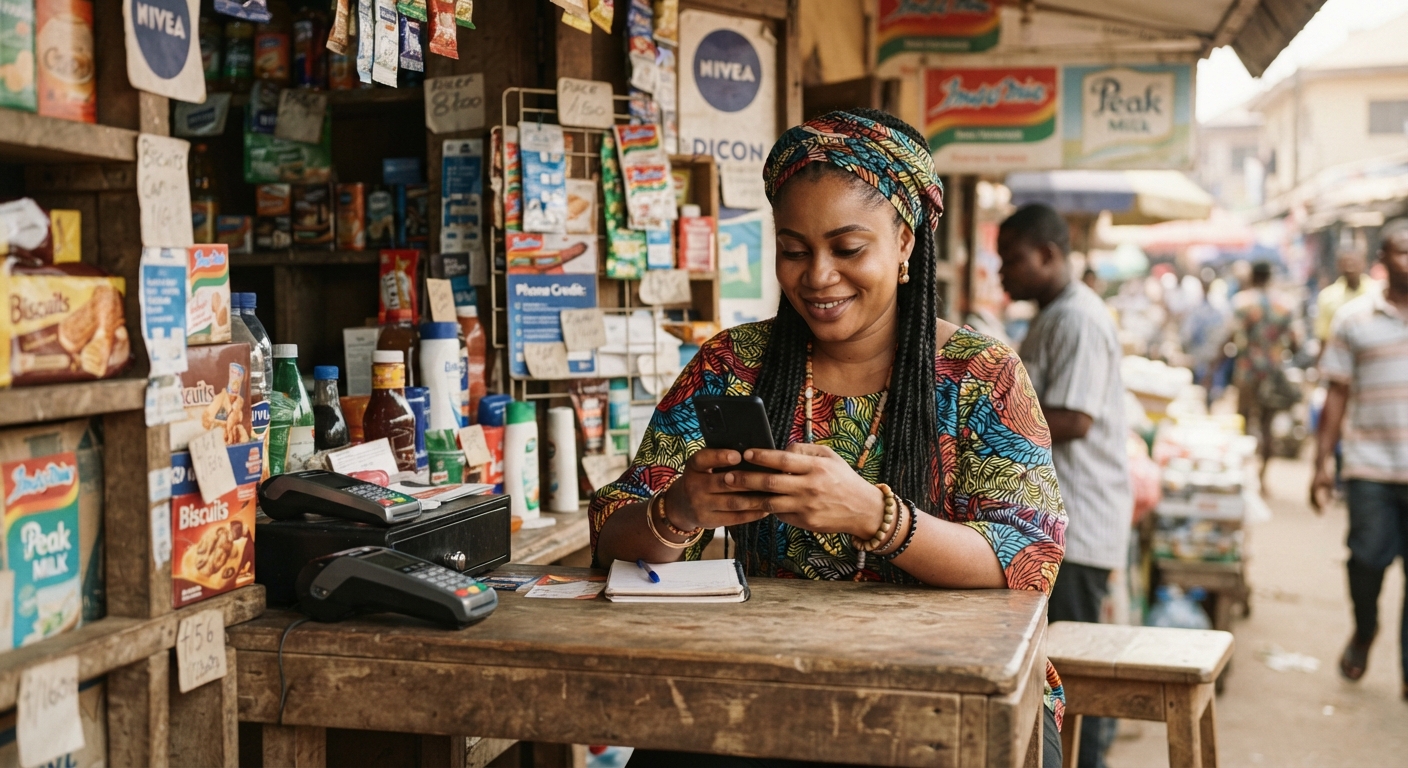
TrustAm makes expense tracking simple. You can record expenses by voice note or by snapping a photo of a receipt, right within WhatsApp. This means you don’t have to stop your business to do paperwork. At the end of the day, you get a summary showing your sales, expenses, and profit. This clear view of your finances is vital for any negotiation. It helps you separate business money, so you know exactly what’s available for new stock.
Using the Debt Book to Your Advantage
If you give credit to customers, your debt book is another powerful tool. Knowing who owes you money, how much, and when it’s due helps you manage your cash flow. This information is also useful when dealing with suppliers. If you have a good track record of paying your suppliers on time, you can use this to your advantage. You can ask for longer payment terms or even a discount for early payment.
Conversely, if you are struggling with customers paying you, it affects your ability to pay your suppliers. By using a system like TrustAm’s debt book, you can stay on top of your customer payments. This frees up your capital and allows you to pay your suppliers promptly, making you a more reliable customer and opening doors for better negotiation. The system can even send automatic polite reminders to customers who owe you money, helping to speed up payments.
Negotiating Payment Terms and Discounts
It’s not always about the price per item. Sometimes, better payment terms can be just as valuable. If you can negotiate to pay your supplier a week or two after you receive the goods, instead of paying cash upfront, this significantly improves your cash flow. This is especially true if you have strong sales data showing consistent business. You can present your records and say, “I’m a reliable customer, and my sales are steady. Can we agree on a payment term of Net 14 days?”
Discounts can come in many forms: volume discounts for buying more, early payment discounts for paying before the due date, or even seasonal discounts. Your records help you determine if these discounts are truly beneficial. For instance, if a supplier offers a 5% discount for buying 100 units instead of 50, but your sales records show you only sell 70 units a month, taking that discount might tie up too much of your capital in stock. You need to know your stock turnover rate, which is something you can track using inventory management tools. Tools like TrustAm's inventory management help you see how fast your stock moves, so you don't overbuy.
TrustAm: Making Record-Keeping Effortless
The biggest challenge for many traders is finding the time and the know-how to keep good records. This is where TrustAm changes the game. Because it works directly within WhatsApp, there’s no app to download. The system is designed for busy traders. When you collect payment, the sale is automatically recorded. When you record an expense, it’s logged instantly. This means your records are always up-to-date, even when you’re busy serving customers in Onitsha Main Market or Computer Village.
With TrustAm, you get:
- Automatic Sales Recording: Payments made through TrustAm are your sales records.
- Easy Expense Logging: Use voice notes or receipt photos to record spending.
- Daily Summaries: Get a quick overview of your day’s takings and expenses.
- Profit Tracking: Understand your profit per product and overall.
- Debt Management: Keep track of who owes you and automate reminders.
This effortless system means you always have accurate data at your fingertips. This data is what gives you the confidence and the facts needed to negotiate better prices with your suppliers. No more guesswork, just solid numbers driving your business forward.
Frequently Asked Questions
How can I get my supplier to give me a discount?
To get a discount, show your supplier that you are a consistent, high-volume buyer. Present your sales records (which TrustAm can help you gather easily) to prove how much of their product you sell. Also, ask about discounts for paying early or for buying in larger quantities.
What if my supplier doesn't accept my records as proof?
If your supplier is hesitant, focus on building a strong relationship and demonstrating reliability. Consistently paying on time, even at the current price, builds trust. You can also suggest a trial period for a new price or payment term, backed by your accurate sales data.
How often should I review my expenses to negotiate better?
Review your expenses at least monthly, or more often if your business is very fast-paced. TrustAm provides daily summaries, making it easy to spot trends. Look for areas where costs are high or increasing, and use this information when discussing prices with suppliers or looking for cheaper alternatives.
Can I negotiate payment terms, not just the price?
Yes, absolutely! Negotiating payment terms, like paying 14 days after delivery instead of upfront, can be as beneficial as a price discount. Use your reliable sales history and on-time payment record to convince your supplier that offering you better terms is a low-risk, mutually beneficial arrangement.
Find verified service providers
Verified providers. Payment held safe until the job is done. Reviews only from real, paid bookings.
Download TrustAm
AI-powered budgeting, instant P2P payments, and escrow protection. Built for Nigeria.
Or get a download link sent to your phone
Chisom Anen
Founder and CEO of TrustAm. Building Nigeria's reputation marketplace for verified service providers. Reviews unlock only after real payments.
Disclaimer: This article is for informational purposes only and does not constitute financial advice. Always consult a qualified financial professional before making major financial decisions.
Disclosure: This article is published by TrustAm, a financial technology company. Some links in this article may direct to our own products.
Sources & References
- Start on WhatsApp →— wa.me
- Small and Medium Scale Enterprises Development Agency of Nigeria (SMEDAN)— smedan.gov.ng
- Central Bank of Nigeria (CBN)— cbn.gov.ng
- Nigeria Inter-Bank Settlement System (NIBSS) Plc— nibss-plc.com.ng
Related Articles



Free Tools You Might Find Useful
Try these free calculators and tools related to this article.
Invoice Generator
Generate professional invoices for your Nigerian business or freelance work.
Use free tool →Receipt Generator
Generate payment receipts for completed services in Nigeria.
Use free tool →Quote Generator
Generate service quotations for clients in Nigeria.
Use free tool →Contract Generator
Generate basic service agreements for Nigerian service providers.
Use free tool →