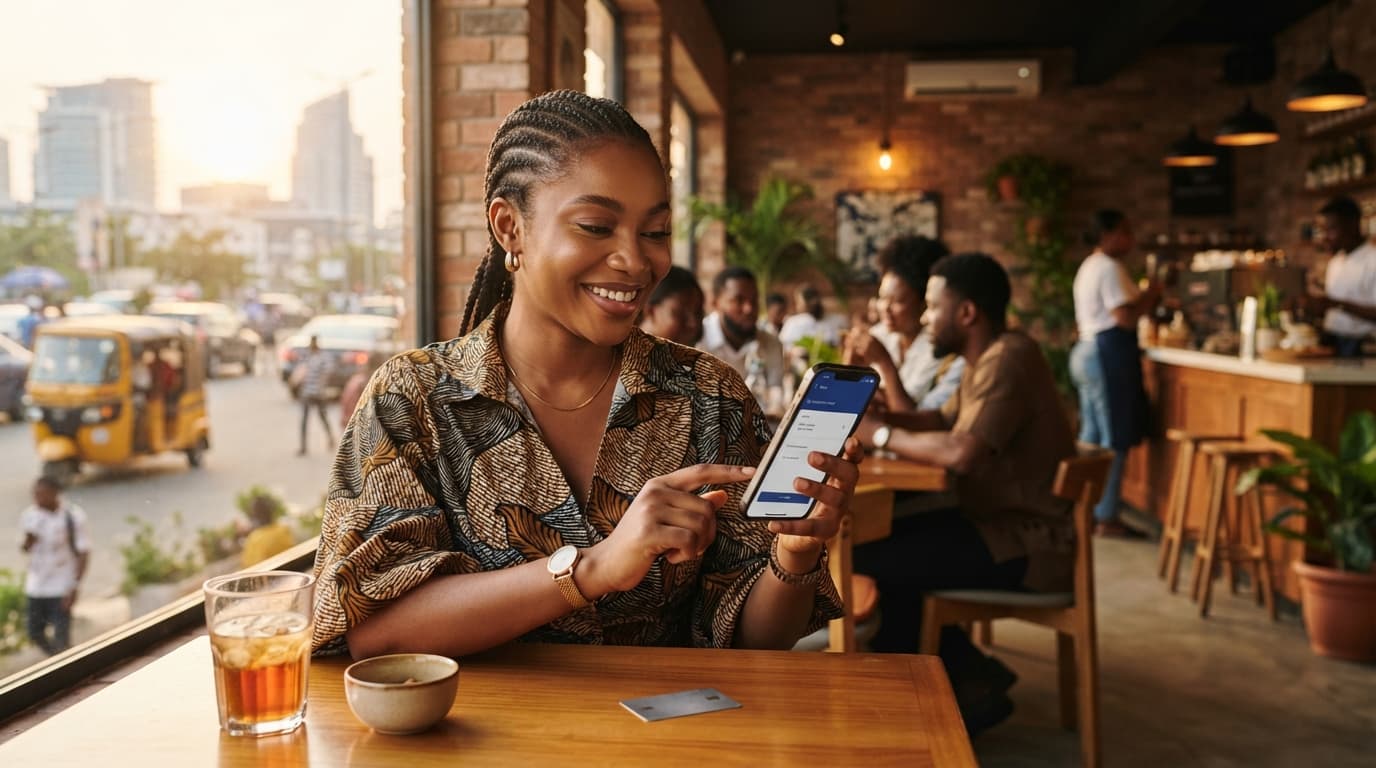
How to Protect Your Money When Paying Someone Online in Nigeria
How to Protect Your Money When Paying Someone Online in Nigeria
Sending money online in Nigeria has become as common as buying suya on a Friday night. Whether you're paying for that new data plan, a tailor in Enugu, or a specialized service, digital payments are the way to go. But with convenience comes risk. Scammers are always lurking, ready to exploit trust. So, how do you ensure your hard-earned naira lands safely and your service or product is delivered as promised? Let's break down how to protect your money when paying someone online in Nigeria.
Overview & Key Takeaways
Learn essential strategies to safeguard your money during online transactions in Nigeria. We cover due diligence, understanding payment methods, and leveraging technology to prevent fraud.
- Always verify the identity and legitimacy of the person or business you're paying.
- Understand the risks associated with different payment methods like direct bank transfers.
- Utilize secure payment platforms and features that offer protection.
- Be wary of deals that seem too good to be true or high-pressure tactics.
- Leverage escrow services for significant transactions to ensure delivery before payment is released.
Why Online Payment Protection is Crucial in Nigeria
The Nigerian digital economy is booming, with more people embracing online shopping, freelance services, and digital payments. While platforms like OPay, Kuda, and PalmPay have made transactions smoother, they haven't eliminated the threat of fraud. Reports of online scams, where individuals pay for goods or services and receive nothing, are unfortunately common. This is especially true for informal transactions or when dealing with new vendors. Protecting yourself means understanding the risks and taking proactive steps.
1. Do Your Homework: Verify Before You Pay
This is your first line of defense. Before you send a single kobo, especially for larger sums or new vendors, do your due diligence:
- Check Online Reviews and Testimonials: Look for reviews on their social media pages (Instagram, Facebook), website, or other platforms. Be skeptical of overly positive or generic reviews.
- Ask for References: If it's a service provider, ask if they can provide references from past clients.
- Verify Business Details: For businesses, check if they have a physical address or a registered business name. A quick search on Google Maps or the CAC website can be helpful.
- Social Media Presence: A consistent and active social media presence can indicate legitimacy, but remember, even scammers can create fake profiles. Look for engagement and genuine interactions.
- Cross-Reference Information: If someone gives you a phone number and an account number, try searching the phone number online to see if it's associated with any scam reports.

2. Understand Payment Methods and Their Risks
Different payment methods carry different levels of risk:
- Direct Bank Transfers (GTBank, Access, UBA, etc.): These are the most common but also the riskiest for the buyer. Once the money leaves your account, it's very difficult to get back if the seller defaults. If you must use this, ensure you have the seller's full details and have done thorough verification.
- Mobile Money (e.g., MTN MoMo, Glo Cash): Similar risks to direct bank transfers. The money is instantly sent.
- Payment Links/QR Codes: These can be safer if generated by a reputable platform. They often have built-in security features.
- Third-Party Payment Gateways/Escrow Services: These are generally the safest options as they act as an intermediary.
For services like booking a photographer in Uyo, a fumigator, or even hiring dispatch riders in Ikeja, understanding the payment terms upfront is essential. Always ask if they accept payments through a secure platform or offer an escrow option.
3. Be Wary of "Too Good to Be True" Offers
If a deal seems incredibly cheap compared to the market rate, it's probably a scam. Scammers often lure victims with unbelievably low prices for goods or services. This is particularly common for high-demand items or services.
- Unrealistic Discounts: A 50% discount on a brand-new iPhone, or a professional house painting service for half the usual price, should raise red flags.
- Urgency Tactics: Scammers might pressure you to pay quickly to secure the "deal," claiming limited availability.
- Requests for Advance Payment for Services Requiring On-Site Work: For services like sewage disposal in Lagos or a CCTV installer in Warri, be cautious if they demand full payment upfront before any work begins.

4. Leverage Secure Payment Platforms with Escrow
This is where technology truly saves the day. A secure payment platform with an escrow feature acts as a trusted third party. Here's how it works:
- You initiate a payment through the platform.
- The money is held securely by the platform (escrow) and not released to the seller.
- The seller provides the agreed-upon goods or service.
- Once you confirm that you've received the goods/service satisfactorily, the platform releases the payment to the seller.
- If there's a dispute, the platform can mediate.
This system drastically reduces the risk of being scammed. It’s invaluable whether you're buying an item online, hiring a vendor for a wedding, or engaging a professional for a service. For significant transactions, like booking event planners or caterers, or even for recurring services like fumigation, using an escrow service is highly recommended. It's precisely why we built the Protect This Payment feature on TrustAm. With a simple toggle, you can ensure your money is safe until you confirm delivery, giving you peace of mind for any transaction, from buying crafts to paying for repairs.
5. Use a Dedicated App for Financial Management
Managing your finances effectively is key to avoiding common pitfalls. A good money management app can help you track your spending, set budgets, and identify suspicious transactions. For instance, TrustAm's AI Financial Advisor can analyze your spending patterns, linking directly to your bank accounts via Mono. It can flag unusual outflows, helping you spot potential unauthorized transactions or recognize if you're about to overspend on a risky purchase. Our Budget Categories are tailored for the Nigerian context, helping you allocate funds wisely and avoid impulsive, potentially risky payments.
6. Trust Your Gut: If It Feels Wrong, It Probably Is
Sometimes, despite all the checks, something just feels off about a seller or a transaction. Don't ignore that feeling. If a seller is evasive, unprofessional, or pressures you excessively, it might be best to walk away. There are plenty of legitimate vendors and service providers in Nigeria. It's better to miss out on a 'deal' than to lose your money entirely.
7. Consider Digital Spray for Events
For social events like weddings and parties, the tradition of spraying money is evolving. Instead of handling cash, which can be risky and inconvenient, consider using digital spraying features. TrustAm offers a 'Digital Spray' option, allowing you to send money to individuals at events digitally, securely, and trackably, avoiding the risks associated with physical cash handling.
8. Utilize Ajo Circles for Group Savings and Payments
If you're involved in group financial activities like rotating savings (Ajo/Esusu), TrustAm's Ajo Circles offer a secure, digital alternative. Traditional Ajo relies heavily on trust in one person to manage the pot. With Ajo Circles on TrustAm, funds are managed digitally with transparency and security, reducing the risk of mismanagement or outright fraud, making group contributions for various needs much safer.
When Things Go Wrong: What to Do
Despite your best efforts, you might still encounter a scam. Here’s what to do:
- Contact Your Bank Immediately: If you've sent money via direct transfer and realize it was a scam, report it to your bank (e.g., GTBank, Access Bank, UBA) right away. They might be able to help if the funds haven't been fully withdrawn or transferred.
- Report to the Platform: If you used a payment platform, report the fraudulent transaction to their customer support.
- File a Police Report: For significant amounts lost, filing a report with the Nigerian Police Force (especially the Cybercrime Unit) can be a necessary step.
- Report to EFCC: The Economic and Financial Crimes Commission (EFCC) also handles financial crimes.
The best defense is always prevention. By being informed and using secure tools, you can significantly minimize your risk. TrustAm is built with these realities in mind, offering features like Protect This Payment and robust financial tracking to empower Nigerians to transact with confidence.
Download TrustAm
Start protecting every naira you send online. Use TrustAm's escrow feature to ensure payments are only released upon confirmation of delivery.
Or enter your phone number on our website and we'll text you the download link.
Frequently Asked Questions
What is the safest way to pay someone online in Nigeria?
The safest way is to use a payment platform that offers an escrow service. This ensures your money is held securely until you confirm receipt of goods or services. Features like TrustAm's 'Protect This Payment' provide this crucial layer of security.
How can I verify if an online seller in Nigeria is legitimate?
You can verify a seller by checking online reviews, looking for a physical business address, asking for references, and reviewing their social media presence for consistent activity and genuine engagement.
What should I do if I've been scammed after an online payment?
If you've been scammed, immediately contact your bank to report the transaction. Report the incident to the payment platform used, and consider filing a complaint with the Nigerian Police Force or EFCC.
Are direct bank transfers risky for online purchases?
Yes, direct bank transfers are generally risky for online purchases because once the money is sent, it's very difficult to retrieve if the seller fails to deliver. Always ensure you have thoroughly vetted the seller before opting for this method.
Can I protect myself when paying for services like a plumber or electrician online?
Absolutely. For services, always look for providers with good reviews and testimonials. For significant payments, use an escrow service or a platform that allows you to hold payment until the service is completed to your satisfaction, similar to how you'd protect a payment for a vendor found via online vendor guides.
Find verified service providers
Verified providers. Payment held safe until the job is done. Reviews only from real, paid bookings.
Download TrustAm
AI-powered budgeting, instant P2P payments, and escrow protection. Built for Nigeria.
Or get a download link sent to your phone
Chisom Anen
Founder and CEO of TrustAm. Building Nigeria's reputation marketplace for verified service providers. Reviews unlock only after real payments.
Disclaimer: This article is for informational purposes only and does not constitute financial advice. Always consult a qualified financial professional before making major financial decisions.
Disclosure: This article is published by TrustAm, a financial technology company. Some links in this article may direct to our own products.
Sources & References
- Central Bank of Nigeria (CBN)— cbn.gov.ng
- Economic and Financial Crimes Commission (EFCC)— efcc.gov.ng
- Nigerian Police Force— npf.gov.ng
- Paystack Blog: Online Payment Security— paystack.com
Related Articles

Free Tools You Might Find Useful
Try these free calculators and tools related to this article.
Lagos Budget
Plan your monthly budget for living in Lagos with realistic cost breakdowns.
Use free tool →Abuja Budget
Plan your monthly budget for living in Abuja with realistic cost breakdowns.
Use free tool →PH Budget
Plan your monthly budget for living in Port Harcourt.
Use free tool →Ibadan Budget
Plan your monthly budget for living in Ibadan with affordable cost breakdowns.
Use free tool →