How to Start a CCTV & Security Business in Nigeria in 2026
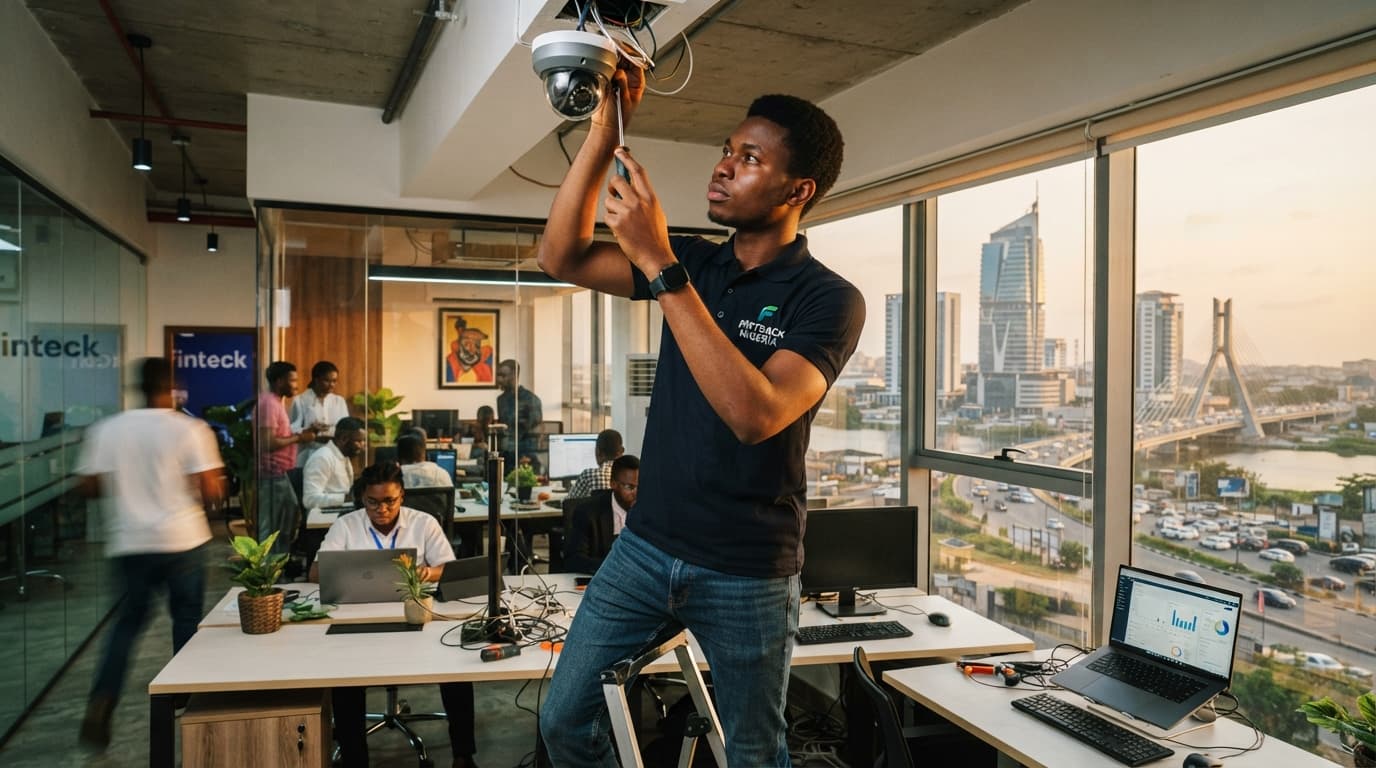
Nigeria's growing population and evolving urban landscapes mean a rising demand for security solutions. From homes to businesses, the need for reliable surveillance and security systems is at an all-time high. Starting a CCTV and security business offers a lucrative opportunity to tap into this market. This guide will walk you through the essential steps to establish a successful CCTV and security business in Nigeria by 2026.
Overview & Key Takeaways
This article outlines the key steps to launch and grow a CCTV and security business in Nigeria, covering market research, legal registration, technical skills, equipment sourcing, marketing, and leveraging platforms like TrustAm for growth.
- Thorough market research is crucial to identify target clients and competitive pricing in Nigeria's security sector.
- Legal registration and obtaining necessary permits are non-negotiable for a legitimate business operation.
- Developing strong technical expertise in installation, maintenance, and troubleshooting is paramount.
- Strategic sourcing of quality equipment and building relationships with suppliers is vital for cost-effectiveness and reliability.
- Effective marketing and leveraging online platforms like TrustAm can significantly boost client acquisition and business growth.
Security Installers on TrustAm
Book with escrow protection. If a job isn't done right, open a dispute and our team steps in.
AAU Nice Global
Service Provider · Ughelli
- Payment protected by escrow
- Money released only after you confirm the job
cash out 20k
Service Provider · sold 10 mtn 1k card
- Payment protected by escrow
- Money released only after you confirm the job

MICH NNA COMMERCIAL ENT
Service Provider · Lekki
- Payment protected by escrow
- Money released only after you confirm the job
John Cletus
Service Provider · Abuja
- Payment protected by escrow
- Money released only after you confirm the job

Alabi Motunrayo lbidun
Service Provider · Badagry
- Payment protected by escrow
- Money released only after you confirm the job

Stanley light world
Service Provider · Akure
- Payment protected by escrow
- Money released only after you confirm the job
1. Conduct Thorough Market Research
Before diving in, understand the landscape. The demand for CCTV and security systems in Nigeria is driven by factors like increasing crime rates, business security needs, and government regulations for certain establishments. Identify your niche: will you focus on residential installations, commercial properties, industrial sites, or a combination? Research your competitors – what services do they offer, what are their pricing structures, and where are their strengths and weaknesses? Understanding these aspects will help you define your unique selling proposition (USP) and position your business effectively. For instance, while general security is key, some businesses might specifically need advanced access control systems, while homeowners might prioritize simple, user-friendly surveillance. This research will also inform your pricing strategy. Typical installation costs for a basic home CCTV system can range from ₦50,000 to ₦150,000 depending on the number of cameras and complexity, while commercial setups can easily run into several hundred thousand naira. For more complex installations, getting an accurate quote from a professional is key. Understanding these market dynamics is the first step to a profitable venture.

2. Legal Registration and Compliance
Operating a business in Nigeria requires adherence to legal frameworks. You'll need to register your business name with the Corporate Affairs Commission (CAC). Depending on the scale and services offered, you might need specific licenses or permits, especially if dealing with sensitive security equipment or government contracts. Familiarize yourself with any regulations pertaining to the installation and operation of surveillance systems. While there isn't a singular, overarching license for 'CCTV installation' as of 2026, ensuring your business is legally recognized and compliant with general business laws is crucial. This builds trust with clients and avoids potential legal issues down the line. Properly registering your business ensures you can open business bank accounts, issue invoices, and operate legitimately. This is a foundational step that many aspiring entrepreneurs overlook, but it's critical for long-term success and credibility.
3. Develop Technical Expertise and Skills
CCTV and security systems are technical. You need a solid understanding of various components: cameras (IP, analog, PTZ), Digital Video Recorders (DVRs) and Network Video Recorders (NVRs), cabling, power supplies, and networking principles. Your team, or yourself if you're starting solo, must be skilled in installation, configuration, troubleshooting, and maintenance. Consider undergoing professional training or obtaining certifications in security system installation. This ensures you can handle diverse client needs, from simple home setups to complex integrated security solutions for businesses. For example, understanding network security protocols is as important as knowing how to mount a camera correctly. A poorly installed system can lead to blind spots, connectivity issues, or even become a security risk itself. Investing in skill development is investing in your business's reputation. If you're a sole proprietor, consider partnering with or hiring technicians with proven expertise. You can find skilled maintenance technicians on platforms like TrustAm, which also offers insights into service costs, similar to how one might research maintenance technician costs in Aba.

4. Source Quality Equipment and Suppliers
The quality of your equipment directly impacts the reliability and performance of your installations. Identify reputable manufacturers and reliable suppliers of CCTV cameras, DVRs/NVRs, cables, connectors, and other necessary accessories. Building strong relationships with these suppliers can help you secure better pricing, access the latest technology, and ensure consistent availability of stock. Don't compromise on quality to cut costs; faulty equipment leads to unhappy clients and damaged reputation. Typical costs for a good quality 4-channel CCTV kit can range from ₦40,000 to ₦100,000, not including installation labour. For higher-end IP cameras or specialized systems, costs can be significantly higher. Consider offering different tiers of equipment to cater to various budgets, from basic residential packages to premium business solutions. Understanding equipment costs is crucial for pricing your services competitively and profitably.
5. Develop a Robust Marketing and Sales Strategy
Once your business is set up, you need to attract clients. Your marketing strategy should highlight your expertise, reliability, and the peace of mind your services offer. Digital marketing is key: create a professional website showcasing your services, portfolio, and client testimonials. Utilize social media platforms (Facebook, Instagram, LinkedIn) to reach potential customers. Local SEO is also important; ensure your business appears when people search for "CCTV installation near me" or "security systems in [your city]". Consider partnerships with real estate agents, property developers, and other businesses that might require security solutions. Offering competitive pricing, bundled packages, and excellent customer service will set you apart. For instance, a homeowner might be looking for a basic package, while a small business might need a more comprehensive solution. You can also leverage online marketplaces. Platforms like TrustAm allow verified service providers to list their services, connect with clients, and receive secure, escrow-protected payments. This significantly reduces the risk of non-payment and builds client confidence, much like how using escrow protects both parties in service transactions.

6. Pricing Your Services
Accurate pricing is essential for profitability and client satisfaction. Your pricing should cover equipment costs, labour, installation time, technical expertise, and overheads. Researching competitor pricing in your target cities (e.g., Lagos, Abuja, Port Harcourt) is vital. A common pricing model involves a combination of equipment markup and a fixed or hourly labour fee for installation and setup. For example, a standard CCTV installation service might include the cost of 4 cameras, a DVR, installation labour, and initial setup, potentially ranging from ₦70,000 to ₦200,000 depending on the quality of equipment and complexity. Advanced features like remote access setup, cloud storage integration, or specialized camera types (e.g., thermal, AI-powered) will command higher prices. Transparency is key; provide clients with detailed quotes outlining all costs involved. This avoids disputes and builds trust. Understanding pricing for related services can also offer insights; for example, knowing decorator costs in Uyo can help you benchmark your own service pricing strategy.
7. Offer Installation, Maintenance, and Support
Your service doesn't end with installation. Offering ongoing maintenance and technical support is a significant value-add and a source of recurring revenue. Regular maintenance ensures systems function optimally and can prevent issues before they arise. Provide different support packages, from basic troubleshooting to comprehensive service agreements. This builds customer loyalty and provides a steady income stream. Clients often seek reliable support after installation, making this a crucial differentiator. Whether it's a simple firmware update or a more complex hardware issue, being available and responsive is key. TrustAm’s model of payment-backed reviews helps consumers find providers who offer excellent post-installation support, as positive reviews often reflect this aspect of service delivery.
8. Embrace Technology and Innovation
The security technology landscape is constantly evolving. Stay updated with the latest advancements in CCTV technology, such as AI-powered analytics, facial recognition, smart home integration, and advanced cybersecurity for IP-based systems. Offering these cutting-edge solutions can position your business as a leader in the market. Integrate with smart home systems, offer mobile app monitoring, and ensure your systems are secure against cyber threats. This commitment to innovation will attract clients looking for modern, effective security solutions. By staying ahead of the curve, you ensure your business remains relevant and competitive in the long run.
Grow Your Security Business with TrustAm
List your CCTV and security services on TrustAm to reach a wider audience of verified clients, secure payments with escrow protection, and build a reputation through verified reviews. Start getting more clients today!
Say Hi on WhatsAppFrequently Asked Questions
What are the basic requirements to start a CCTV business in Nigeria?
How much does it cost to start a CCTV installation business in Nigeria?
Is there a specific license required for CCTV installation in Nigeria?
How do I find clients for my CCTV business?
What is a good pricing strategy for CCTV installation services?
Book a verified CCTV & Security, on WhatsApp.
Tell TrustAm what you need. See verified providers and their prices, then book and pay without leaving WhatsApp.
Prefer the app? App Store · Google Play
Founder and CEO of TrustAm. Building Nigeria's reputation marketplace for verified service providers. Reviews unlock only after real payments.
Disclosure: This article is published by TrustAm. Some links may direct to our own marketplace and products.
Sources & References
Related Services
Find trusted providers related to this article.
Related Articles



Free Tools You Might Find Useful
Try these free calculators and tools related to this article.