How to Survive on ₦100,000 in Ibadan in 2026
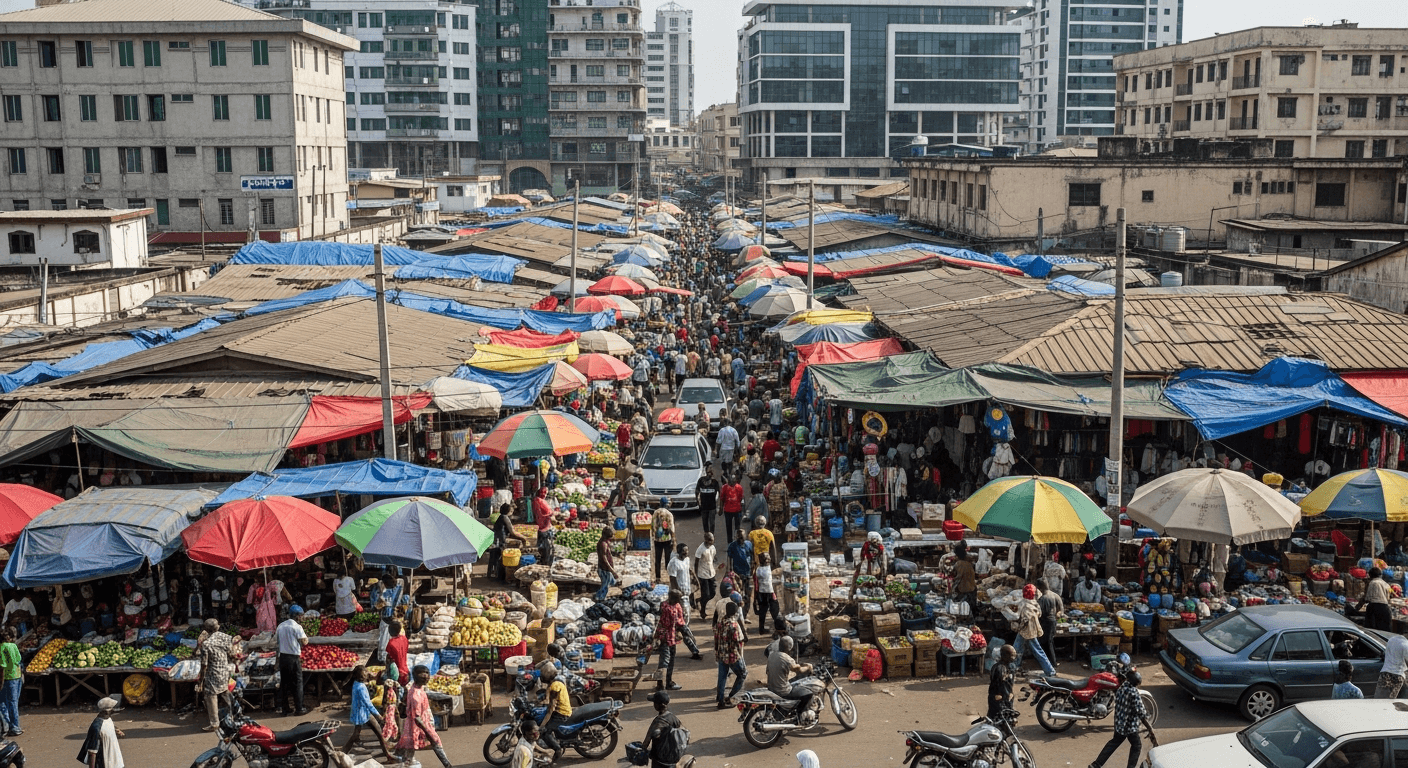
Let's be honest: seeing a ₦100,000 salary credit alert in 2026 can feel like a race against time. With inflation hovering around 30%, that six-figure sum disappears faster than a plate of hot amala at an owambe. But while your friends in Lagos might be drowning in rent costs, living in Ibadan offers a glimmer of hope. It’s possible to survive, and even save a little, on ₦100k in the ‘Pacesetter State’—but you need a rock-solid plan, not just vibes.
Overview & Key Takeaways
This guide provides a realistic monthly budget breakdown for anyone earning ₦100,000 in Ibadan. We'll cover essential costs like housing, food, and transportation, and share actionable strategies to stretch your naira, save consistently, and avoid the dreaded 'sapa' season.
- Prioritize Affordable Housing: Aim for yearly rent of ₦180,000 - ₦250,000 in areas like Apete, Sango, or Ojo, which translates to ₦15,000 - ₦21,000 monthly.
- Dominate Your Food Budget: Allocate 30-35% (₦30,000 - ₦35,000) for food by bulk shopping at major markets like Bodija and Oja'ba, not supermarkets.
- Master Public Transport: Rely on 'micra' buses and kekes for your daily commute. Budget a maximum of ₦15,000 - ₦20,000 for transport to keep costs low.
- Pay Yourself First (No Excuses): Treat savings as a non-negotiable bill. Automate a 10% (₦10,000) transfer to a high-interest savings account the day you get paid.
- Track Every Kobo: Use a smart budgeting app like TrustAm to connect your bank accounts and get a clear picture of where your money is actually going.
Is ₦100k a Livable Salary in Ibadan in 2026?
Yes, ₦100,000 is a livable salary in Ibadan in 2026, but it demands strict financial discipline. It's enough to cover your fundamental needs—rent, food, and transport—but leaves very little room for impulse buys, luxury items, or frequent nights out. The key difference between surviving and struggling on this income lies entirely in how well you budget.
Compared to the cost of living in Lagos, Ibadan is significantly more affordable. A self-contained apartment that costs ₦600,000 in a Lagos suburb might go for ₦250,000 in a decent Ibadan neighbourhood. This single factor is the biggest advantage you have. However, with the ongoing cost of living crisis in Nigeria, you cannot afford to be careless. Every naira must have a purpose.
The ₦100k Ibadan Budget Breakdown: Where Your Money Will Go
A realistic monthly budget on a ₦100k salary in Ibadan allocates about 20% to rent, 35% to food, 15% to transport, 10% to utilities, 10% to savings, and the final 10% to miscellaneous personal needs. Sticking to these percentages is crucial for staying out of debt and avoiding end-of-month panic.
Here’s a sample breakdown of your monthly expenses:
Find Verified Providers on TrustAm
Need a reliable and affordable haircut, phone repair, or someone to fix your clothes? Don't get ripped off. Find vetted local professionals on the TrustAm marketplace.
Say Hi on WhatsAppPractical Strategies to Stretch Your ₦100k Further
To make your ₦100,000 last the entire month without borrowing, you need to adopt some money-saving habits. Focus on optimizing your largest expenses—food and transport—and finding ways to boost your income, even by a small amount.
- Become a Market Pro: A bag of rice at a supermarket like Shoprite in Ring Road could be 20-30% more expensive than at Bodija Market. Go to the market once or twice a month with a strict list and buy non-perishables in bulk. Form a food co-op with a neighbour or colleague to buy things like a whole tuber of yam or a basket of tomatoes and split the cost.
- Optimize Your Commute: If possible, find housing along a major transport route to your workplace. This minimizes the need for multiple 'drops'. Walking short distances instead of taking a keke for a ₦100 trip can save you over ₦2,000 a month.
- Leverage Technology for Savings: Manually tracking expenses is tiring. Link your bank accounts to **TrustAm's AI-powered budgeting tool**. It automatically categorizes your spending, showing you exactly how much you spent on airtime, transport, and food. Seeing the data in black and white is a powerful motivator to cut back. Learn more about how TrustAm's AI budgeting works.
- Develop a Side Hustle: An extra ₦20,000 a month can completely change your financial picture. If you have a skill—graphic design, writing, baking, tailoring—list your services on the TrustAm marketplace. You can connect with clients in Ibadan and beyond and get paid securely.
- Cut Ruthlessly: Do you really need three streaming subscriptions? Can you switch to a cheaper data plan? Review your bank statement for recurring charges and cancel everything that isn't absolutely essential.
Beyond Survival: How to Save and Invest on a ₦100k Salary
Saving and investing on ₦100k in this economy might sound impossible, but it is achievable through the 'pay yourself first' principle. This means you treat your savings as the most important bill you have to pay. Automate a 10% (₦10,000) transfer to a separate account the moment your salary lands.
Here’s how to make it work:
- Automate Your Savings: Set up a standing order with your bank (e.g., GTBank's *737#) to move ₦10,000 to a high-interest savings account like Kuda, OPay, or PiggyVest on the 25th of every month. If you don't see the money, you're less likely to spend it.
- Start with Low-Risk Investments: You don't need a lot of money to start investing. Platforms like Cowrywise or Risevest allow you to start with as little as ₦1,000. Consider putting a portion of your savings into something relatively safe. A good starting point can be learning how to invest in Nigerian Treasury Bills, which are backed by the government.
- Use a Digital Ajo/Esusu: The traditional thrift savings model is effective. You can modernize it by using the savings goals feature on apps like TrustAm. Create a goal—like 'New Phone Fund' or 'Rent 2027'—and contribute small amounts regularly.
- Track Your Progress: Seeing your savings grow is incredibly motivating. Use the TrustAm app to get a single view of all your accounts—your salary account, your savings, and your investments. This unified dashboard helps you track your net worth and stay focused on your financial goals.
Frequently Asked Questions
What is a good salary to live comfortably in Ibadan?
How much is rent for a self-contained apartment in Ibadan?
Is Ibadan cheaper than Lagos?
Can you save money while living in Ibadan?
The market and your bank, in one chat.
Your own bank account and the artisans you book, in one WhatsApp chat. Just say Hi.
Prefer the app? App Store · Google Play
Founder and CEO of TrustAm. Building Nigeria's reputation marketplace for verified service providers. Reviews unlock only after real payments.
Disclaimer: This article is for informational purposes only and does not constitute financial advice. Always consult a qualified financial professional before making major financial decisions.
Disclosure: This article is published by TrustAm, a financial technology company. Some links in this article may direct to our own products.
Sources & References
- National Bureau of Statistics— nigerianstat.gov.ng
- World Bank Nigeria— worldbank.org
- BudgIT — Fiscal Data— budgit.org
Related Articles



Free Tools You Might Find Useful
Try these free calculators and tools related to this article.