
Ibadan vs Lagos: Where Is It Cheaper to Live in 2026?
Ibadan vs Lagos: Where Is It Cheaper to Live in 2026?
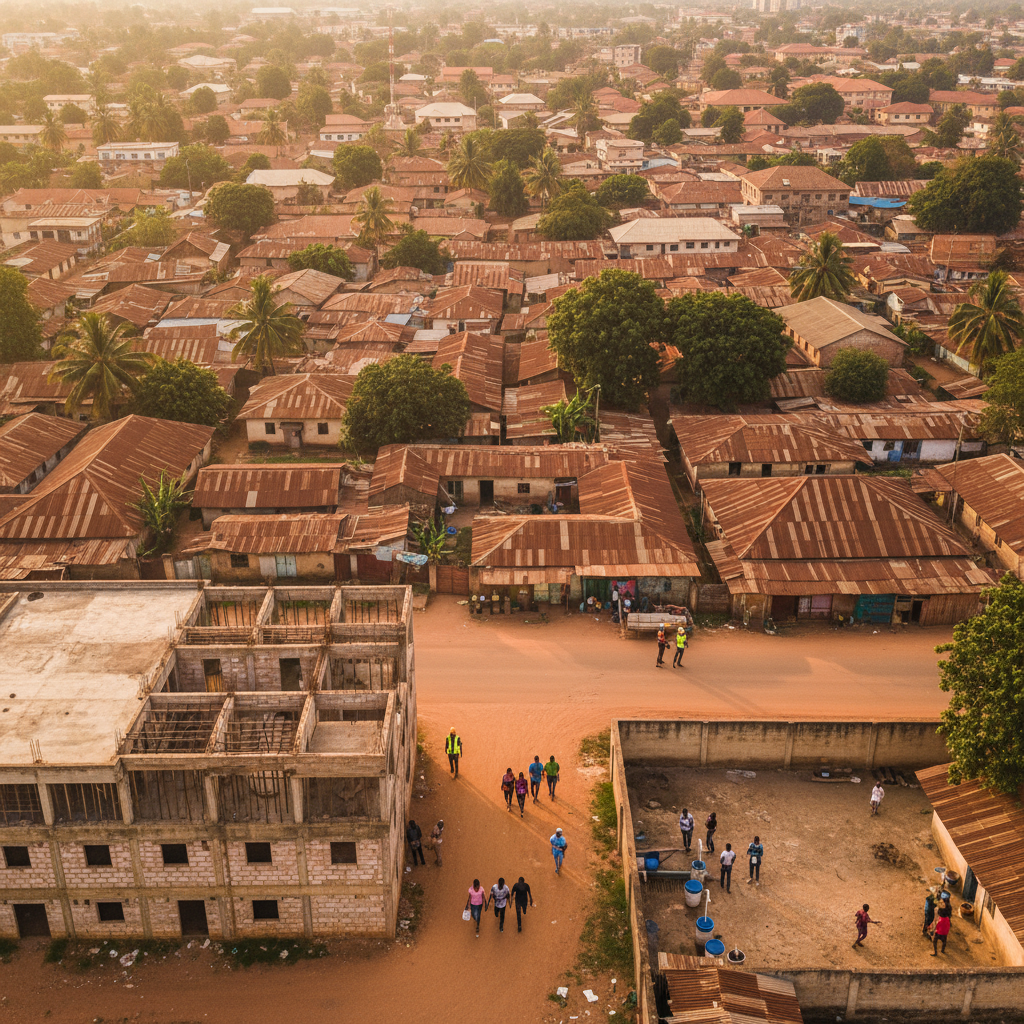
The Lagos hustle is legendary. The promise of opportunity, the endless energy, the feeling that you’re at the center of Nigeria's commercial universe. But let's be real, so is the legendary traffic, the ridiculous rent, and the constant feeling that your bank account is gasping for air. This has many young Nigerians asking the big question: is the Lagos dream worth the financial nightmare? Enter Ibadan, the city of brown roofs—calmer, historically rich, and, most importantly, significantly lighter on the wallet. But is it really that much cheaper, and what do you trade for that affordability?
Overview & Key Takeaways
This article provides a detailed cost-of-living breakdown between Lagos and Ibadan for 2026, comparing key expenses like housing, transportation, food, and lifestyle. We'll analyze the trade-offs between Lagos's higher income potential and Ibadan's superior affordability to help you decide which city fits your financial goals.
- Overall Cost: Ibadan is approximately 40-60% cheaper to live in than Lagos, primarily driven by massive differences in rent.
- Rent is the Game Changer: Expect to pay 200-300% more for a similar apartment in a comparable Lagos neighbourhood than in Ibadan.
- Income vs. Expenses: Lagos offers significantly higher salary potential and more career opportunities, which can offset its high cost of living for some.
- Daily Savings Add Up: Transportation and food costs are noticeably lower in Ibadan, which means more money stays in your pocket each month.
- Manage Costs Anywhere with TrustAm: Regardless of your city, using the TrustAm marketplace for services like home repairs, beauty, and events helps you find verified providers and control spending with escrow protection.
Housing & Rent: The Biggest Wallet Drain
The single biggest factor in the Ibadan vs. Lagos debate is accommodation. Rent in Lagos isn't just expensive; it can feel like daylight robbery. In 2026, with persistent inflation, the gap between the two cities has only widened. A decent mini-flat in a mid-range Lagos area like Ikeja, Yaba or Surulere could set you back anywhere from ₦1.2 million to ₦2.5 million per year. Venture into Lekki Phase 1 or VI, and you're looking at ₦3 million and upwards. That's before you even factor in agent fees, agreement, and the infamous caution deposit.
Now, let's look at Ibadan. For the price of a shoebox in Lagos, you can live like royalty. A similar mini-flat in a good Ibadan neighbourhood like Bodija, Ring Road, or Akobo costs between ₦350,000 and ₦700,000 annually. A spacious 2-bedroom flat that would cost ₦2.5 million in Lagos can be found for under ₦1 million in Ibadan. This difference is life-changing. The money saved on rent alone can be channeled into savings, investments (check out these best investment apps in Nigeria), or starting a side business.
The challenge in both cities remains finding reliable artisans once you move in. A bad plumber or electrician can cause damage that costs more than their fee. This is a problem TrustAm solves directly. Instead of asking for random recommendations, you can open the app, find a verified plumber or electrician in Ibadan or Lagos, read payment-backed reviews from previous customers, and pay securely with escrow. You only release the payment when you're satisfied with the job.
Transportation: Navigating the City on a Budget
Getting around is another area where your wallet will feel the difference. Lagos is defined by its traffic, which translates to high transportation costs, whether in time or money. The iconic yellow danfo buses, while cheap per drop, can add up on long multi-stop commutes. Ride-hailing services like Uber and Bolt are subject to insane surge pricing, especially when it rains or during rush hour. A short trip that should cost ₦1,500 can easily jump to ₦4,000. In 2026, the average Lagosian working on the Island but living on the Mainland could spend ₦50,000 - ₦90,000 monthly just on commuting.
Ibadan, on the other hand, is far more relaxed. The primary mode of public transport is the "Micra" cab, which operates on a shared basis and is incredibly cheap. Most drops within the city cost between ₦100 and ₦300. The city is less congested, so ride-hailing trips are faster and significantly cheaper. A monthly transportation budget of ₦20,000 - ₦35,000 is very realistic for someone commuting daily in Ibadan. That's a potential saving of over ₦500,000 a year compared to Lagos.
Food & Groceries: The Daily Chop
While food prices are rising everywhere in Nigeria, the farm-gate advantage is real in Ibadan. Being closer to agricultural hubs in the South-West means that fresh produce and foodstuff are generally cheaper. A trip to Bodija Market in Ibadan will yield a bigger basket of goods for the same amount of money you'd spend at Mile 12 in Lagos. The difference might be 15-25%, which adds up significantly over a month.
Here's a simple comparison of a typical meal out:
- Amala Joint (Local Bukka): A satisfying plate of Amala with gbegiri, ewedu, and two pieces of meat might cost ₦1,000 - ₦1,500 in Ibadan. In a popular spot in Lagos, expect to pay ₦2,000 - ₦3,500 for the same quality and quantity.
- Mid-range Restaurant: A meal for two at a nice restaurant in Ibadan could be around ₦15,000 - ₦25,000. In Lagos, that budget would likely only cover one person's meal at a similar establishment.
For those who love hosting or have events, you can even see the cost difference when hiring vendors. Finding a reliable caterer for a small party is made easier with TrustAm, where you can compare prices from different vendors in your city and book them with the security of escrow.

Lifestyle & Entertainment: How Much for Fun?
Lagos is the undisputed entertainment capital of West Africa. Concerts, beach parties, exclusive clubs, art galleries, fine dining—you name it, Lagos has it. But this vibrant social scene comes at a premium. A night out in Lagos can easily cost what someone in Ibadan might spend on entertainment in a whole month. From high gate fees for events to expensive drinks at bars in Lekki or VI, the pressure to spend is immense.
Ibadan has a more laid-back, yet growing, social scene. There are plenty of cool lounges, cinemas, and recreational spots like the Agodi Gardens. The key difference is accessibility. A good time in Ibadan doesn't require you to break the bank. An owambe in Ibadan, for instance, is a much less financially taxing affair than its Lagos counterpart. Speaking of which, planning for events is a major expense. Whether you're in Lagos or Ibadan, finding the right vendors can be stressful. We've seen how the cost of a hair braider in Ibadan can vary, and the same goes for makeup artists, decorators, and MCs. Using the TrustAm marketplace lets you filter by price, read verified reviews, and secure your booking, ensuring you stay within your event budget.
Find Verified Providers on TrustAm
Planning an event or just need a reliable service in Lagos or Ibadan? Browse verified providers with payment-backed reviews and escrow protection.
Create a Free Account →Career & Income Potential: The Other Side of the Coin
This is where Lagos fights back. The reason Lagos is expensive is because of the sheer concentration of economic opportunities. Major local and multinational companies have their headquarters there. The tech, finance, media, and creative industries are booming in Lagos in a way that no other Nigerian city can match. Consequently, salaries are significantly higher. A software developer or brand manager in Lagos could earn double what they might be offered for a similar role in Ibadan.
Ibadan's economy is traditionally anchored by the civil service, education (with the University of Ibadan at its core), and more traditional commerce. While its tech and creative scenes are growing, they are not yet at the scale of Lagos. So, the crucial question is: does the higher salary in Lagos justify the higher cost of living?
For some, absolutely. For others, the math doesn't add up. A person earning ₦600,000/month in Lagos might have less disposable income than someone earning ₦350,000/month in Ibadan after factoring in rent and transportation. For freelancers and remote workers, this calculation becomes even more interesting. You could live in Ibadan, enjoy the low costs, and use a platform like TrustAm to list your services—be it web development, graphic design, or tutoring—to attract high-paying clients from Lagos and even abroad, giving you the best of both worlds.
The Verdict: Which City Is Right for YOU?
There's no single right answer. The choice between Ibadan and Lagos is deeply personal and depends on your career stage, financial goals, and lifestyle preferences. Ibadan is the undisputed champion of affordability and a relaxed pace of life. Lagos is the king of ambition and economic opportunity.
Here’s a quick summary table:
| Feature | Lagos | Ibadan | | :--- | :--- | :--- | | **Overall Cost** | Very High | Low-Medium | | **Rent (Avg. Mini-flat)** | ₦1.2M - ₦2.5M | ₦350k - ₦700k | | **Transportation** | High & Stressful | Low & Relaxed | | **Income Potential** | Very High | Moderate | | **Pace of Life** | Extremely Fast | Calm & Relaxed | | **Career Opportunities**| Abundant & Diverse | Growing, but more traditional |Ultimately, the best city is the one where you can build the life you want without constant financial stress, or 'sapa'. For a young person starting out, Ibadan offers a fantastic opportunity to save aggressively and build a strong financial foundation. For someone chasing a high-stakes career in a specific industry, the premium cost of Lagos might be a necessary investment in their future.
Take Control of Your Finances with TrustAm
Whether you choose the fast pace of Lagos or the calm of Ibadan, managing your money is key. TrustAm's AI budgeting tool helps you track every naira, while our marketplace connects you to affordable, verified services for everything from home repairs to event planning, helping you save money and avoid scams in any city.
Create Your Free Account →Join 50,000+ Nigerians already using TrustAm to manage their money smarter.
Frequently Asked Questions
Is Ibadan a good place to live for a young person?
Yes, Ibadan is an excellent city for young people, especially those looking to avoid the financial pressures of Lagos. It offers a low cost of living, a peaceful environment, and a growing social scene. It's a great place to save money, build a foundation, and enjoy a better work-life balance while still having access to modern amenities.
How much salary is enough to live comfortably in Lagos in 2026?
To live comfortably in a decent area in Lagos (not just surviving), a single person would likely need a minimum monthly income of ₦400,000 - ₦600,000 as of 2026. This would cover rent in a modest apartment (like a mini-flat on the mainland), transportation, food, and some lifestyle expenses. Living on the Island or supporting a family would require a significantly higher income.
What are the pros and cons of living in Ibadan?
The main pros of living in Ibadan are its affordability (especially cheap rent), peace and quiet, and less traffic. The primary cons are fewer high-paying job opportunities compared to Lagos, a slower pace of life which may not suit everyone, and a less diverse entertainment scene.
Is Lagos really that expensive?
Yes, by Nigerian standards, Lagos is exceptionally expensive, with its cost of living often compared to some cities in Africa. The primary driver is the incredibly high cost of accommodation, which can consume over 50% of an average professional's income. While other things are also more expensive, rent is the biggest financial challenge for most residents.
Find verified service providers
Verified providers. Payment held safe until the job is done. Reviews only from real, paid bookings.
Download TrustAm
AI-powered budgeting, instant P2P payments, and escrow protection. Built for Nigeria.
Or get a download link sent to your phone
Chisom Anen
Founder and CEO of TrustAm. Building Nigeria's reputation marketplace for verified service providers. Reviews unlock only after real payments.
Disclaimer: This article is for informational purposes only and does not constitute financial advice. Always consult a qualified financial professional before making major financial decisions.
Disclosure: This article is published by TrustAm, a financial technology company. Some links in this article may direct to our own products.
Sources & References
- National Bureau of Statistics— nigerianstat.gov.ng
- World Bank Nigeria— worldbank.org
- BudgIT — Fiscal Data— budgit.org
Related Articles



Free Tools You Might Find Useful
Try these free calculators and tools related to this article.
Lagos Budget
Plan your monthly budget for living in Lagos with realistic cost breakdowns.
Use free tool →Abuja Budget
Plan your monthly budget for living in Abuja with realistic cost breakdowns.
Use free tool →PH Budget
Plan your monthly budget for living in Port Harcourt.
Use free tool →Ibadan Budget
Plan your monthly budget for living in Ibadan with affordable cost breakdowns.
Use free tool →