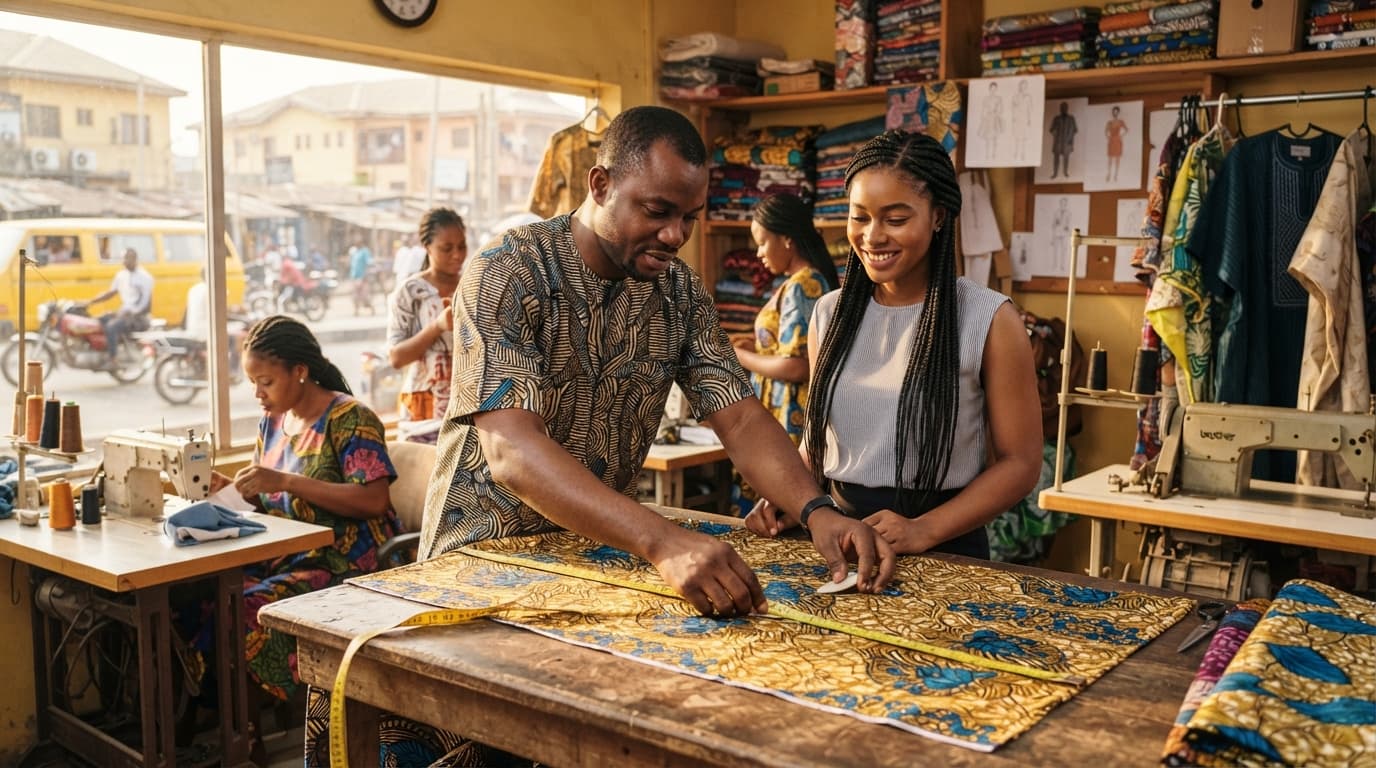
Male vs Female Tailors: Does It Matter? A Nigerian Guide
Overview & Key Takeaways
This article explores whether the gender of a tailor matters in Nigeria, examining the skills and specialities of both male and female tailors. It provides insights into choosing the right tailor for your specific needs, understanding pricing, and how to leverage platforms like TrustAm for finding verified professionals.
- Gender is less important than skill, experience, and specialisation when choosing a tailor.
- Male tailors often excel in traditional menswear (agbada, danshiki, suits), while female tailors frequently specialise in women's fashion (dresses, blouses, skirts, gele tying).
- Understand your project: for complex or highly specific garments, research the tailor's portfolio.
- Pricing varies by tailor, complexity, location, and materials, with typical suit prices ranging from ₦20,000 to ₦100,000+.
- TrustAm connects you with verified tailors across Nigeria, ensuring quality and safety.
Tailors on TrustAm
Book with escrow protection. If a job isn't done right, open a dispute and our team steps in.

Ejiofor Eke
Service Provider · Enugu
- Payment protected by escrow
- Money released only after you confirm the job

Ivide Creative Luxury
Service Provider · Urora, Benin city
- Payment protected by escrow
- Money released only after you confirm the job
Suraj Abdullateef
Service Provider
- Payment protected by escrow
- Money released only after you confirm the job

Ogo Oluwa fashion designing
Service Provider · Lagos
- Payment protected by escrow
- Money released only after you confirm the job

Ani Bridget
Service Provider · Asaba
- Payment protected by escrow
- Money released only after you confirm the job
Unisex republic
Service Provider · Aba
- Payment protected by escrow
- Money released only after you confirm the job
The Skill is the Master: Why Tailor Gender Isn't the Primary Factor
In Nigeria, the art of tailoring is passed down through generations, and proficiency isn't dictated by gender. Both male and female tailors possess the intricate knowledge of fabrics, measurements, pattern cutting, and stitching required to create beautiful garments. The crucial factor is their skill, creativity, and understanding of your specific requirements. Think of it like any other profession; you wouldn't choose a mechanic based on their gender, but rather their expertise and track record. The same applies to tailors.
However, societal trends and historical specialisations have led to certain perceptions. Traditionally, menswear has often been the domain of male tailors, while womenswear has been more associated with female tailors. This isn't a hard and fast rule, but it's a common observation in the Nigerian fashion landscape. Understanding these general leanings can help guide your choice, but it’s always best to look beyond these assumptions.
- Skill & Experience: This is paramount. Look at their portfolio, ask for recommendations, and assess their understanding of your fabric and design.
- Specialisation: Some tailors are masters of traditional wear, others excel at modern designs, and some might be particularly adept at intricate beadwork or specific garment types.
- Communication: Can they clearly understand your vision and communicate the process and timelines effectively?
- Craftsmanship: Does their work show attention to detail, neat stitching, and a good fit?

Specialisations: Where Male and Female Tailors Often Shine
While individual talent is the main driver, there are observable patterns in specialisations:
For Male Tailors:
Many male tailors have honed their skills in crafting traditional Nigerian menswear. This includes:
- Agbada and Buba: The flowing, voluminous traditional robes are a staple, requiring expertise in draping and handling heavier fabrics.
- Danshiki and Kaftan: These often simpler, yet stylish, shirts require precision in cut and finish.
- English Suits and Formal Wear: Many male tailors are highly sought after for tailoring sharp suits, blazers, and trousers that adhere to international standards of fit and style.
- Senator and Brocade Wears: These popular modern traditional outfits demand a keen eye for detail and modern tailoring techniques.
Their experience with these garments often means they understand the specific measurements, fabric behaviour, and construction methods unique to menswear.
For Female Tailors:
Female tailors often bring a unique perspective to womenswear, understanding the nuances of the female form and current fashion trends. Their specialities commonly include:
- Dresses and Gowns: From elegant evening wear to casual sundresses, female tailors are adept at creating flattering silhouettes.
- Blouses and Tops: Intricate designs, flattering necklines, and comfortable fits are often their forte.
- Skirts and Trousers: Tailoring these for women requires a different understanding of fit and proportion.
- Bridal Wear and Special Occasion Outfits: Many excel in creating intricate wedding dresses, aso ebi styles, and outfits for parties, often incorporating elaborate embellishments.
- Gele Tying and Headwraps: Some female tailors also offer services related to styling headwear, a crucial part of many Nigerian outfits.
Their close understanding of women's fashion trends and the specific challenges of fitting diverse female body types makes them invaluable for womenswear projects.
How to Choose the Right Tailor for Your Project
Regardless of gender, the process of selecting a tailor should be consistent. Here’s how to make an informed decision:
- Define Your Needs: Are you looking for a formal suit, a traditional attire, a modern dress, or alterations? Knowing this will help you narrow down your search.
- Seek Recommendations: Ask friends, family, or colleagues who have had similar garments made. Word-of-mouth is powerful in Nigeria.
- Check Portfolios: Most professional tailors, especially those on platforms like TrustAm, will have photos of their previous work. Look for quality, style, and relevance to your needs. This is crucial, as seen in how we vet professionals for services like house painting – you want to see the quality first.
- Consultation: Schedule a consultation. Discuss your design, fabric choices, and timeline. A good tailor will offer advice and ensure they understand your vision.
- Understand Pricing: Get a clear quote upfront. Prices will vary based on the complexity of the design, the type of fabric, and the tailor's experience. A bespoke suit, for instance, can range from ₦20,000 to ₦100,000 or more depending on the fabric and detailing. A simple dress might cost ₦8,000-₦25,000, while more elaborate designs could go much higher. Always clarify what’s included (fabric, lining, buttons, etc.).
- Trust Your Gut: If something feels off, or the communication isn't clear, it might be best to look elsewhere.
Pricing Considerations in Nigerian Tailoring
The cost of tailoring in Nigeria is influenced by several factors:
- Complexity of Design: An intricate Aso Ebi style with multiple layers and embellishments will cost more than a basic shift dress.
- Fabric Type: High-quality brocade, silk, or imported suiting fabrics will naturally increase the overall cost compared to cotton or linen.
- Tailor's Experience and Reputation: Highly sought-after tailors with a strong portfolio and reputation often charge a premium.
- Location: Tailors in major cities like Lagos or Abuja might charge more than those in smaller towns due to higher overheads and demand.
- Additional Services: Services like intricate embroidery, beadwork, or urgent turnaround times can add to the cost.
For example, a standard male kaftan might cost between ₦10,000 and ₦30,000, while a custom-tailored suit can range from ₦30,000 to ₦150,000 depending on the fabric and brand. For women's wear, a well-fitted blouse could be ₦7,000-₦20,000, and a custom gown for a special occasion might start from ₦25,000 and go up to ₦200,000+. These figures are approximate and can fluctuate, especially with the current economic climate and inflation rates in Nigeria, which hover around 25-30%.
Finding Verified Tailors Hassle-Free with TrustAm
Navigating the world of tailors can be daunting. You want someone skilled, reliable, and trustworthy. This is where TrustAm steps in. Our platform connects you with verified tailors across Nigeria's major cities, ensuring you find professionals who meet our stringent quality standards. When you search for a tailor on TrustAm, you can:
- Browse Verified Profiles: See detailed profiles of tailors, including their specialisations, portfolios, and customer reviews. We have a rigorous verification process to ensure providers are legitimate, much like how we ensure customer safety across all our categories.
- Read Payment-Backed Reviews: Get honest feedback from previous clients who have actually booked and paid for services through TrustAm. This builds trust and helps you make an informed decision.
- Secure Payments with Escrow: Pay for your tailoring services through our secure escrow system. Your payment is held until you are satisfied with the completed work, protecting both you and the tailor. This is a key feature that differentiates us, as detailed in what makes TrustAm different.
- Convenient Booking: Easily book consultations or schedule your tailoring appointments directly through the platform.
Whether you're in Lagos, Abuja, Port Harcourt, or any other city we serve, TrustAm makes it simple to find a tailor who can bring your fashion vision to life, regardless of their gender. We understand that for providers, getting clients and ensuring secure payments is crucial. That's why we offer features like escrow protection and verified reviews, helping tailors build their business and reputation. As highlighted in why providers choose TrustAm, our platform is designed for growth and security.
Find Your Perfect Tailor Today with TrustAm
Don't let the search for a tailor stress you out. TrustAm provides a seamless and secure way to connect with skilled male and female tailors across Nigeria. Browse, compare, and book with confidence.
Create Your Free Account →Join thousands of Nigerians who trust TrustAm for their service needs.
Frequently Asked Questions
How much does a tailor charge for a suit in Nigeria?
The cost of a tailor-made suit in Nigeria can vary significantly, typically ranging from ₦20,000 to ₦150,000 or more. Factors influencing the price include the quality and type of fabric chosen, the complexity of the design, the tailor's reputation and experience, and the city where the service is rendered. High-end fabrics and intricate detailing will push the price towards the higher end.
Should I choose a male or female tailor for traditional wear?
For traditional menswear like Agbada or Senator wears, many Nigerians prefer male tailors due to their specialised experience. For women's traditional wear and intricate designs like Aso Ebi, female tailors are often sought after. However, skill is the most important factor. If you find a highly skilled tailor of any gender whose portfolio matches your needs, they are likely a good choice.
What is the average cost for tailoring a dress in Nigeria?
The average cost for tailoring a dress in Nigeria can range from ₦7,000 for a simple design to ₦50,000+ for elaborate gowns or outfits requiring extensive embellishments and complex construction. Factors like fabric choice, detailing (beadwork, embroidery), and the tailor's expertise play a major role in the final price.
How do I ensure a tailor makes my outfit correctly?
Clear communication is key. Provide detailed descriptions, sketches, or even reference pictures of what you want. Attend fittings promptly and provide constructive feedback. On TrustAm, reading reviews and checking portfolios beforehand also helps gauge a tailor's ability to deliver on client expectations.
Book a verified Tailor
Verified providers. Payment held safe until the job is done. Reviews only from real, paid bookings.
Download TrustAm
AI-powered budgeting, instant P2P payments, and escrow protection. Built for Nigeria.
Or get a download link sent to your phone
Chisom Anen
Founder and CEO of TrustAm. Building Nigeria's reputation marketplace for verified service providers. Reviews unlock only after real payments.
Disclosure: This article is published by TrustAm. Some links may direct to our own marketplace and products.
Sources & References
- Consumer Price Index and Inflation Report— nigerianstat.gov.ng
- Nigeria Overview— worldbank.org
- Monetary Policy Reports— cbn.gov.ng
Related Services
Find trusted providers related to this article.
Related Articles
Free Tools You Might Find Useful
Try these free calculators and tools related to this article.
Tailor Calculator
Estimate tailoring and sewing costs for different garments in Nigeria.
Use free tool →Tailoring Prices
Estimate tailoring and fashion design costs in Nigeria.
Use free tool →Invoice Generator
Generate professional invoices for your Nigerian business or freelance work.
Use free tool →Receipt Generator
Generate payment receipts for completed services in Nigeria.
Use free tool →