Counterfeit Naira Notes: How Bakery Owners Can Check Fast
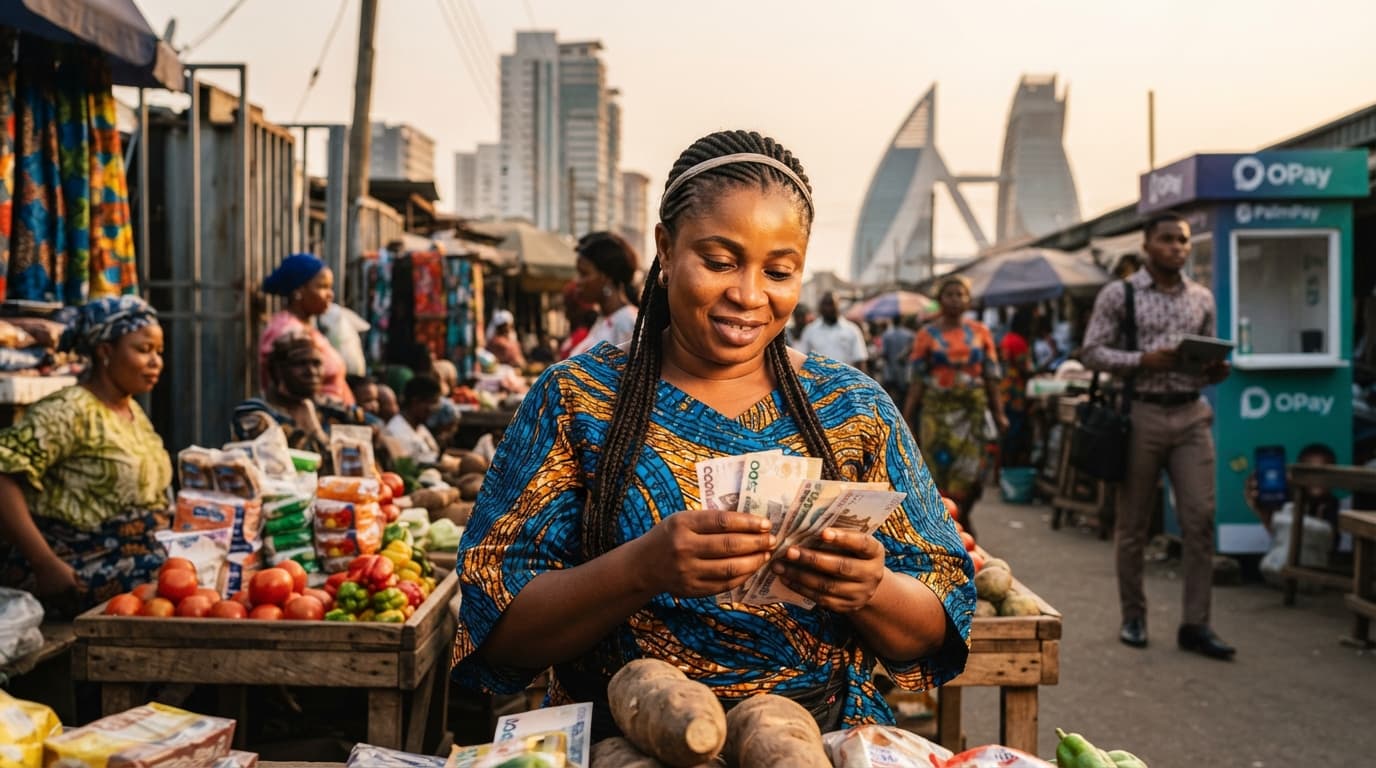
Imagine this: you just sold a big loaf of bread, maybe a dozen buns, and the customer hands you a ₦1,000 note. You quickly bag their order, give them their change, and they walk away. Later, when you go to deposit the money at the bank, or even just count your takings for the day, you find out that ₦1,000 note was fake. Your heart sinks. Not only have you lost the money from your sale, but you've also lost the cost of the goods you gave away. For bakery owners, this can be a real headache.
Overview & Key Takeaways
This article shows bakery owners simple, fast ways to spot fake naira notes before accepting them. Learn the key security features on Nigerian currency that anyone can check, saving you from losses.
- Feel the paper: real naira notes have a distinct, crisp feel that fakes often lack.
- Check the watermark: hold the note to the light to see the CBN governor's portrait.
- Look for the security thread: a solid line should run through the note, visible when held to light.
- Observe the raised print: genuine notes have slightly raised ink that you can feel.
- Be aware of colour-shifting ink: some denominations have ink that changes colour when tilted.
- Trust your eyes and your touch: if a note feels or looks off, it probably is.
Bakers on TrustAm
Book with escrow protection. If a job isn't done right, open a dispute and our team steps in.
Doris Ekuase
Service Provider · Benin City
- Payment protected by escrow
- Money released only after you confirm the job

Cake
Service Provider · Ota
- Payment protected by escrow
- Money released only after you confirm the job

Zola Young
Service Provider · Alimosho
- Payment protected by escrow
- Money released only after you confirm the job

HEART AND CUP
Service Provider · Badagry
- Payment protected by escrow
- Money released only after you confirm the job

Choppam _diner
Service Provider · Lagos
- Payment protected by escrow
- Money released only after you confirm the job

Chicakes
Service Provider · Lagos
- Payment protected by escrow
- Money released only after you confirm the job
Why Fake Naira Notes Hurt Bakeries Most
Bakeries often deal with high volumes of cash, especially from customers buying smaller items or paying with larger denominations. This means more chances to accidentally receive a counterfeit note. Unlike shops selling expensive items, a fake ₦1,000 note can mean losing profit from many sales. It's not just about the note itself; it's the goods you gave away for free and the time you spent serving that customer. That's why knowing how to check quickly is so important.

Quick Checks: How to Spot Fake Naira Notes Fast
You don't need a special machine to check for fake naira notes. The Central Bank of Nigeria (CBN) puts several security features on every note that anyone can feel and see. The trick is to know what to look for and to make it a habit with every large note you receive.
1. Feel the Paper
Real naira notes are printed on special paper that feels different from ordinary paper. It's usually crisp and has a slightly rough texture. If a note feels too smooth, too flimsy, or like regular photocopy paper, be suspicious. Try comparing it with a note you know is genuine. The texture is a quick first check.
2. Look for the Watermark
Hold the banknote up to the light. You should see a faint image, usually the portrait of the CBN governor or a national symbol, appearing in the unprinted area. This watermark is part of the paper and should be visible from both sides. If you don't see it, or if it looks like it was printed on top, it's likely fake.
3. Check the Security Thread
Most Nigerian naira notes have a security thread running vertically through them. This thread is usually a solid, metallic-looking strip embedded in the paper. When you hold the note up to the light, the thread should appear as a continuous, unbroken line. Some threads have text like 'CBN' printed on them. If the thread looks printed on the surface or is easily peeled off, it's a red flag.
4. Feel the Raised Print (Intaglio)
Genuine naira notes are printed using a method called intaglio printing, which leaves the ink slightly raised. You can feel this texture, especially on the main portrait, the denomination number, and the "Central Bank of Nigeria" text. Run your fingernail over these areas. If you can feel a distinct raised surface, it's a good sign. If it feels completely flat, it's likely a fake.
5. Observe the Colour-Shifting Ink
Some denominations, like the ₦1000 note, have special ink that changes colour when you tilt the note. Look at the large denomination number at the bottom left corner on the front of the ₦1000 note. When you tilt it, the colour should shift. This is a feature that's difficult to replicate accurately on counterfeit notes.
Making it a Habit: Integrating Checks into Your Day
The best defence against fake notes is making these checks a routine. When a customer hands you a ₦500 or ₦1,000 note, pause for just a second. Do a quick feel check. Hold it up to the light. It takes less than five seconds but can save you a lot of trouble. Think of it like checking your shop assistant to never release goods on a fake alert; it's a crucial step to protect your business.

What If You Receive a Fake Note?
If you discover you have a fake note after the customer has left, there's not much you can do about that specific transaction. However, it's important to report it if possible. You can take the note to your bank or the nearest police station. Don't try to pass it on to someone else; that makes you part of the problem. For bakery owners, the best approach is prevention. Make sure your staff are also trained to spot fake notes. This is especially important if you use methods for taking payment in your shop without a POS terminal, as cash is still king for many customers.
TrustAm: More Than Just Payments
While spotting fake notes is about physical cash, keeping accurate records of your sales is just as vital. With TrustAm's WhatsApp Business Assistant, every payment you receive digitally becomes an automatic entry in your sales records. This means you always know exactly how much money came in and from where. You can even record cash sales with a quick voice note or text message. This helps you keep track of your overall business health, which is crucial when you're busy baking and selling.
Frequently Asked Questions
What are the main security features on Nigerian Naira notes?
The main security features on Nigerian Naira notes include a distinctive paper feel, a visible watermark when held to light, an embedded security thread, raised print (intaglio) on key areas, and for some denominations like the ₦1000 note, colour-shifting ink on the denomination number.
How can I quickly check if a ₦1000 note is fake?
For a ₦1000 note, quickly feel the paper for crispness, hold it to the light to check for the watermark and security thread, feel the raised print on the text and numbers, and tilt it to see if the ink on the large denomination number at the bottom left changes colour.
Is it legal to accept a fake Naira note?
No, it is illegal to knowingly accept or pass on a counterfeit currency. If you receive a fake note, you should report it to the bank or law enforcement and not try to use it yourself.
What should I do if I accidentally receive a fake note?
If you discover you've received a fake note, you can take it to your bank or the nearest police station to report it. However, you cannot recover the value of the fake note from the person who gave it to you if they are no longer present.
Can I use a UV light to check for fake Naira notes?
While UV lights can reveal hidden security features on some currencies, the primary security features on Nigerian Naira notes are designed to be checked by touch and sight without special equipment. Focusing on the tactile and visual features mentioned will be more effective for quick checks in your bakery.
Book a verified Baker
Verified providers. Payment held safe until the job is done. Reviews only from real, paid bookings.
Download TrustAm
AI-powered budgeting, instant P2P payments, and escrow protection. Built for Nigeria.
Or get a download link sent to your phone
Chisom Anen
Founder and CEO of TrustAm. Building Nigeria's reputation marketplace for verified service providers. Reviews unlock only after real payments.
Disclosure: This article is published by TrustAm. Some links may direct to our own marketplace and products.
Sources & References
- Start on WhatsApp →— wa.me
- Federal Inland Revenue Service— firs.gov.ng
- Corporate Affairs Commission— cac.gov.ng
- Small and Medium Enterprises Development Agency— smedan.gov.ng
- National Bureau of Statistics— nigerianstat.gov.ng
Related Services
Find trusted providers related to this article.
Related Articles


Free Tools You Might Find Useful
Try these free calculators and tools related to this article.
Invoice Generator
Generate professional invoices for your Nigerian business or freelance work.
Use free tool →Receipt Generator
Generate payment receipts for completed services in Nigeria.
Use free tool →Quote Generator
Generate service quotations for clients in Nigeria.
Use free tool →Contract Generator
Generate basic service agreements for Nigerian service providers.
Use free tool →