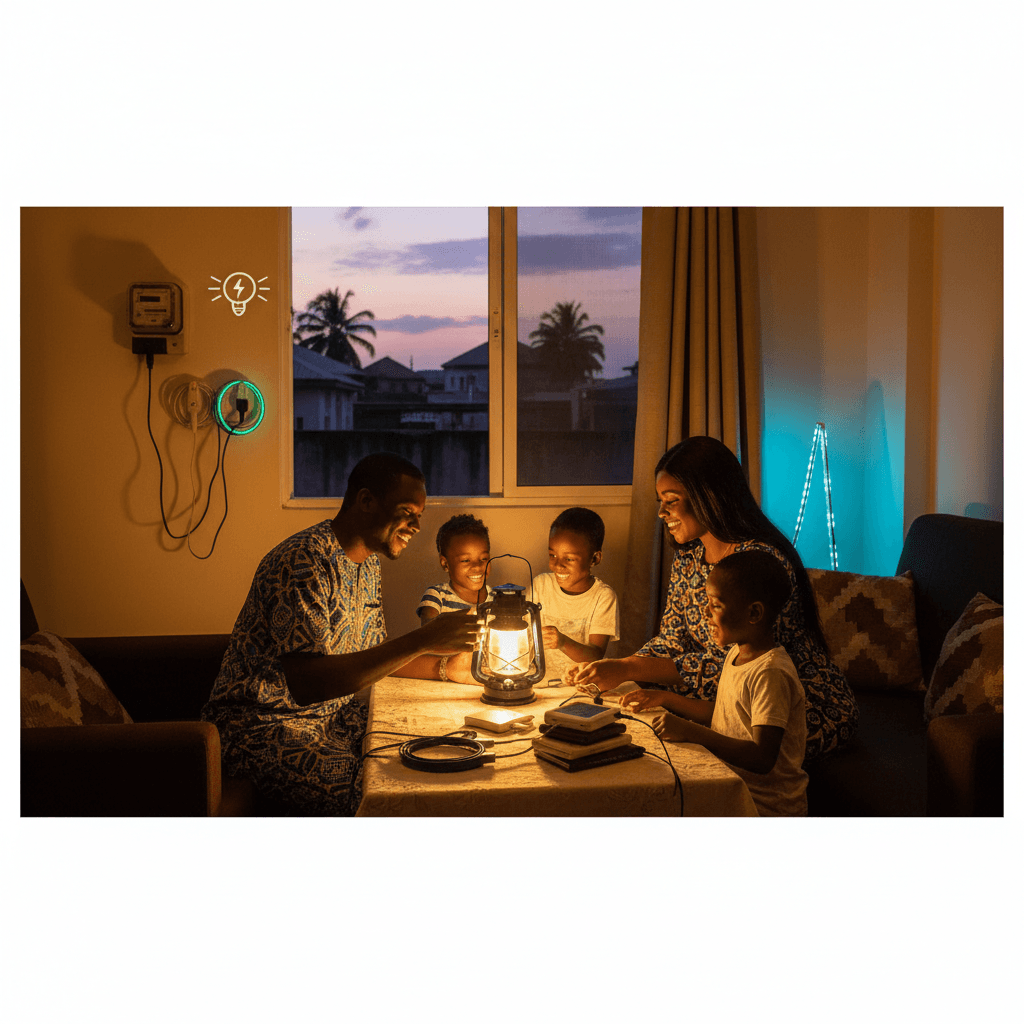
How to Reduce Your NEPA Bill: Practical Tips That Work
In Nigeria, the term 'NEPA bill' has become synonymous with the often frustrating and unpredictable cost of electricity. Despite the rebranding to various Distribution Companies (DisCos) like Ikeja Electric, Eko Disco, and Abuja Electric, the struggle to manage power expenses remains a constant for many households and businesses. With the rising cost of living and inflation hovering around 25-30% as of 2026, finding practical ways to cut down on utility bills, especially electricity, is more crucial than ever. This article will equip you with actionable strategies to significantly reduce your NEPA bill, whether you're on estimated billing or a prepaid meter.
Overview & Key Takeaways
This article provides practical, actionable tips for Nigerians to significantly reduce their electricity bills, covering smart appliance usage, lighting solutions, system maintenance, and the benefits of prepaid meters, while also highlighting how TrustAm can help you track and budget your expenses.
- Switch to energy-efficient appliances and LED lighting to cut consumption by up to 80-90%.
- Unplug electronics, defrost fridges regularly, and maintain AC units to prevent energy waste.
- Prioritize getting a prepaid meter to gain control over your spending and avoid estimated billing.
- Regularly service your electrical systems and appliances by hiring verified electricians to prevent inefficiencies.
- Utilise TrustAm's AI budgeting and spending analytics to track your electricity expenses and identify areas for savings.
Electricians on TrustAm
Book with escrow protection. If a job isn't done right, open a dispute and our team steps in.
Swaddy Damen
Service Provider · Nsukka
- Payment protected by escrow
- Money released only after you confirm the job

Creed Technical services
Service Provider · Ajah
- Payment protected by escrow
- Money released only after you confirm the job

Stanley light world
Service Provider · Akure
- Payment protected by escrow
- Money released only after you confirm the job

Do you hire people to work for you
Service Provider · Lagos Anthony
- Payment protected by escrow
- Money released only after you confirm the job

Surecrownventures
Service Provider · Ibadan
- Payment protected by escrow
- Money released only after you confirm the job

I don't understand
Service Provider · Ikeja
- Payment protected by escrow
- Money released only after you confirm the job
Understanding Your Electricity Bill in Nigeria
To effectively reduce your NEPA bill, it's essential to first understand how it's calculated. In Nigeria, electricity billing primarily falls into two categories: estimated billing and prepaid metering. Each has its nuances that directly impact how much you pay.
Estimated Billing vs. Prepaid Meters
Estimated billing is notorious in Nigeria for its lack of transparency and often inflated charges. Under this system, DisCos estimate your electricity consumption, usually based on factors like the type of property, appliances, and previous bills, rather than actual usage. This often leads to consumers paying for power they didn't consume, a common source of 'sapa' for many households.
Prepaid meters, on the other hand, offer transparency and control. You pay for electricity upfront, similar to how you buy airtime for your phone. This allows you to monitor your consumption in real-time, making it easier to adjust your habits and manage your budget. As of 2026, the average cost per kilowatt-hour (kWh) can range from N50 to N75, depending on your DisCo and tariff band (e.g., R2 residential customers might pay less than commercial users).
Here's what typically makes up your electricity bill:
- Energy Charge: This is the cost of the actual electricity consumed (measured in kWh).
- Service Charge: A fixed charge levied by the DisCo for providing the service.
- VAT (Value Added Tax): A government tax on goods and services, currently around 7.5%.
- Other Levies: Depending on your DisCo, there might be other minor charges.
Energy-Saving Habits for Appliances That Work
Your appliances are often the biggest culprits behind high electricity bills. Adopting smarter usage habits can lead to significant savings. It's not just about switching them off, but how you use them.
Here are practical tips to manage your appliance consumption:
- Refrigerators and Freezers: These run 24/7, making them major energy consumers.
- Proper Placement: Ensure your fridge is away from direct sunlight and heat sources (like cookers). Leave space around it for ventilation.
- Seal Check: Regularly inspect door seals. A worn seal allows cold air to escape, making the fridge work harder.
- Defrost Regularly: If you have an old fridge, excessive ice buildup reduces efficiency. Defrost it regularly.
- Don't Overfill or Empty: A moderately full fridge is more efficient than an empty or excessively packed one.
- Air Conditioners (ACs): A lifesaver in Nigeria's heat, but also a power guzzler (e.g., 1.5 HP AC can consume 1000-1500W).
- Set Optimal Temperature: Aim for 24-26°C. Every degree lower increases energy consumption by about 5-7%.
- Clean Filters: Clogged filters reduce efficiency. Clean them monthly.
- Use Timers: Set your AC to switch off after a few hours, especially at night.
- Seal Rooms: Close doors and windows to keep cool air in.
- Water Heaters: Often forgotten, but they draw serious power (e.g., 1500-2000W).
- Use Sparingly: Heat only the water you need, when you need it. Switch it off immediately after use.
- Consider Tankless: If installing new, tankless (instant) water heaters are more efficient as they only heat on demand.
- Irons: Another high-wattage appliance (e.g., 1000-1500W).
- Batch Ironing: Iron all your clothes at once to allow the iron to maintain heat efficiently.
- Unplug Early: The iron stays hot for a few minutes after unplugging; use this residual heat.
- Televisions and Electronics:
- Unplug from Wall: Even in standby mode, electronics like TVs, decoders, and phone chargers consume 'phantom load' (vampire power). Unplug them completely when not in use.
- Chargers: Remove phone and laptop chargers from sockets once devices are fully charged.
For more general budgeting advice that can help you allocate funds for these changes, read our article: How to Budget When Your Income Is Irregular in Nigeria.
Smart Lighting Solutions to Cut Down Bills
Lighting might seem like a small contributor, but inefficient bulbs running for many hours add up. Switching to modern, energy-efficient lighting can drastically reduce your electricity consumption for illumination.
The best way to save on lighting is to:
- Switch to LED Bulbs: This is arguably the most impactful change you can make. A 9-watt LED bulb provides the same brightness as a 60-watt incandescent bulb, saving you approximately 85% on lighting costs. While the initial cost of LEDs might be higher, they last much longer (up to 25,000 hours compared to 1,000 for incandescent) and offer significant long-term savings.
- Utilise Natural Light: During the day, open your curtains and blinds to let in as much natural light as possible. Position workspaces near windows.
- Switch Off When Not Needed: This seems obvious, but many Nigerians leave lights on in empty rooms or when stepping out briefly. Cultivate the habit of switching off lights when you leave a room.
- Install Motion Sensors: For areas like corridors, bathrooms, or outdoor security lights, motion-sensor lights ensure they only come on when needed.
Maintaining Your Electrical Systems and Appliances
Just like a car needs servicing, your home's electrical system and major appliances benefit from regular maintenance. A well-maintained system runs more efficiently, consumes less power, and is safer.
Here's how maintenance can save you money:
- Regular AC Servicing: Dirt and dust accumulate in AC filters and coils, forcing the unit to work harder and consume more electricity. Schedule professional cleaning and servicing at least once every 6-12 months.
- Refrigerator Coil Cleaning: The condenser coils at the back or bottom of your fridge can collect dust, reducing its cooling efficiency. Clean them annually.
- Check for Faulty Wiring: Old or damaged wiring can lead to electrical leaks, where power is consumed without powering any appliance. This is not only expensive but also a fire hazard. If you notice flickering lights, tripped breakers, or warm outlets, it's time to call a professional.
- Appliance Repair: A faulty appliance might be drawing more power than necessary. Getting it repaired or replacing it with an energy-efficient model can save money in the long run.
When it comes to electrical work or appliance repairs, never compromise on quality. Hiring unverified technicians can lead to more problems and higher costs. TrustAm's marketplace allows you to find verified electricians and AC & appliance repair technicians in Lagos, Abuja, Port Harcourt, and other major cities, with payment-backed reviews and escrow protection for peace of mind.
Getting a Prepaid Meter: Your Best Bet Against Estimated Billing
If you're still on estimated billing, acquiring a prepaid meter should be your top priority. It's the most effective way to gain control over your electricity consumption and eliminate the often-exorbitant estimated charges.
Benefits of a prepaid meter include:
- Cost Control: You only pay for what you use, allowing you to manage your spending actively.
- Transparency: You can see your consumption in real-time and understand how different appliances impact your units.
- Budgeting: It makes it easier to budget for electricity, preventing unexpected high bills.
How to Get a Prepaid Meter in Nigeria:
The process generally involves the Meter Asset Provider (MAP) scheme or direct application to your DisCo.
- Contact Your DisCo: Visit the nearest customer service centre of your DisCo (e.g., Eko Disco, Ikeja Electric) or their website to inquire about meter application.
- Fill Application Forms: You'll typically need to fill out a meter application form and provide necessary documents like a valid ID (NIN, BVN), proof of residence, and recent electricity bills.
- Site Survey: Your DisCo or a MAP will conduct a technical survey of your premises.
- Payment: You may be required to pay for the meter upfront or opt for a financing plan where the cost is recuperated through your energy purchases. As of 2026, a single-phase meter can cost approximately N65,000, while a three-phase meter might be around N120,000, though prices can vary.
- Installation: Once payment is confirmed, the meter will be installed by accredited technicians.
- Activation: After installation, the meter is activated, and you can start purchasing tokens.
While the process can sometimes be slow due to high demand, persistence is key. Many Nigerians have successfully transitioned and are enjoying the benefits of controlled electricity spending.
Considering Alternative Power Sources
Given the inconsistencies of public power supply (PHCN/DisCos), many Nigerians invest in alternative power sources. While they involve initial investment, they can offer long-term savings and reliability.
- Solar Power Systems: A significant upfront investment, but zero running cost for electricity generation. Best for long-term savings, especially with rising grid tariffs. A basic solar setup (panels, inverter, batteries) can cost from N500,000 to several millions, depending on capacity.
- Inverter Systems: A more affordable option than full solar. Inverters store power from the grid (or a generator) in batteries for use during outages. They help manage power fluctuations but don't generate electricity. Maintenance is key for battery longevity.
- Generators: Common in Nigerian homes and businesses. While providing immediate power, they are expensive to run due to fuel costs (e.g., petrol/diesel prices) and maintenance. Only use when absolutely necessary and ensure proper servicing. Find trusted generator repair technicians on TrustAm when needed.
Find Verified Providers on TrustAm
Looking for trusted electricians, AC repair, or generator repair near you? Browse verified providers with payment-backed reviews and escrow protection.
Create a Free Account →Monitoring and Budgeting Your Electricity Expenses
The final, crucial step to reducing your NEPA bill is to actively monitor and budget your electricity expenses. Without tracking where your money goes, it's difficult to identify areas for improvement.
Here's how to do it effectively:
- Track Your Consumption: If you have a prepaid meter, regularly check your unit balance and how quickly it depletes after using certain appliances. For estimated billing, keep a record of your monthly bills.
- Set a Realistic Budget: Based on your tracking, allocate a specific amount for electricity each month. TrustAm's AI budgeting tools can help you categorize and set limits for utilities, ensuring you stay within your financial goals.
- Review and Adjust: At the end of each month, review your actual spending against your budget. Did you exceed it? What caused the increase? Use these insights to adjust your habits for the next month. TrustAm's spending analytics provide clear visual breakdowns of your expenses, making this review process seamless.
- Involve the Household: Make everyone in your home aware of the goal to reduce electricity consumption. Explain the financial benefits and encourage collective effort.
By integrating these practices and leveraging tools like TrustAm for your financial management, you can take significant steps towards reducing your NEPA bill and keeping more money in your pocket. This proactive approach not only saves you money but also promotes a more sustainable lifestyle.
Take Control of Your Finances with TrustAm
Manage your utility bills smarter. Use TrustAm's AI budgeting and spending analytics to track your electricity consumption, set limits, and identify savings opportunities, all while protecting your payments for verified service providers.
Create Your Free Account →Join 50,000+ Nigerians already using TrustAm to manage their money smarter.
Frequently Asked Questions
What is estimated billing and how can I stop it?
Estimated billing is when your electricity provider (DisCo) charges you a flat rate or an estimated amount for electricity consumption, rather than billing based on actual usage from a meter. This often leads to inflated bills and customer dissatisfaction. The most effective way to stop estimated billing is to apply for and get a prepaid meter installed, which allows you to pay for electricity consumed based on real-time usage.
How accurate are prepaid meters?
Prepaid meters are generally considered highly accurate as they measure your actual electricity consumption in kilowatt-hours (kWh). They eliminate the guesswork associated with estimated billing, providing transparency and allowing you to track your usage in real-time. While occasional calibration issues can occur, they are typically much more precise than estimated bills.
What are the biggest energy-consuming appliances in a typical Nigerian home?
In a typical Nigerian home, the biggest energy-consuming appliances are usually air conditioners (especially if run frequently), refrigerators/freezers, electric water heaters, and electric irons. These appliances have high wattage ratings and often run for extended periods, contributing significantly to your electricity bill. Understanding their power consumption allows for more strategic usage.
How often should I service my AC unit to save electricity?
To ensure your AC unit runs efficiently and consumes less electricity, it's recommended to have it professionally serviced at least once every 6 to 12 months. Regular maintenance, which includes cleaning filters, coils, and checking refrigerant levels, prevents dirt buildup and wear that can force the unit to work harder, thereby increasing energy consumption and your electricity bill.
Can TrustAm help me track my electricity spending?
Yes, TrustAm can significantly help you track your electricity spending. Our platform's AI budgeting tools allow you to categorize your utility expenses, set monthly limits, and receive alerts. With spending analytics, you can get clear visual breakdowns of how much you spend on electricity, identify trends, and make informed decisions to reduce your consumption and save money.
Book a verified Electrician
Verified providers. Payment held safe until the job is done. Reviews only from real, paid bookings.
Download TrustAm
AI-powered budgeting, instant P2P payments, and escrow protection. Built for Nigeria.
Or get a download link sent to your phone
Chisom Anen
Founder and CEO of TrustAm. Building Nigeria's reputation marketplace for verified service providers. Reviews unlock only after real payments.
Disclosure: This article is published by TrustAm. Some links may direct to our own marketplace and products.
Sources & References
- Nigerian Electricity Regulatory Commission (NERC)— nerc.gov.ng
- National Bureau of Statistics — Consumer Price Index— nigerianstat.gov.ng
- Central Bank of Nigeria — Consumer Protection— cbn.gov.ng
- BudgIT — Budget Tracking— budgit.org
- Securities and Exchange Commission Nigeria— sec.gov.ng
- Nigerian Exchange Group— ngxgroup.com
Related Articles


Free Tools You Might Find Useful
Try these free calculators and tools related to this article.
Electrician Prices
Estimate electrical work and installation costs in Nigeria.
Use free tool →Electrician Calculator
Estimate electrical service and repair costs across Nigeria.
Use free tool →Lagos Budget
Plan your monthly budget for living in Lagos with realistic cost breakdowns.
Use free tool →Abuja Budget
Plan your monthly budget for living in Abuja with realistic cost breakdowns.
Use free tool →