Small Chops Business Plan for Nigeria: Step-by-Step 2026 Guide
Small Chops Business Plan for Nigeria: Step-by-Step 2026 Guide
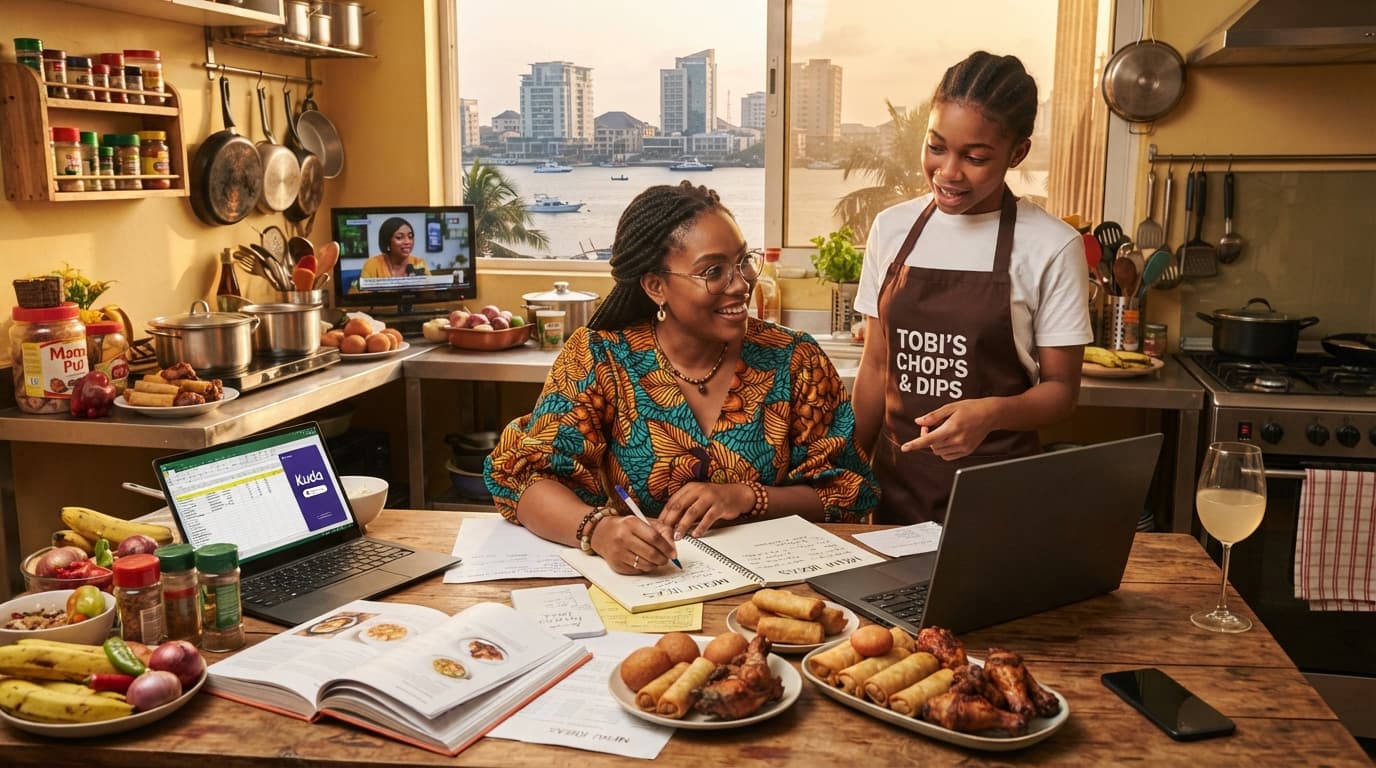
Starting a small chops business in Nigeria can be incredibly rewarding, blending passion for food with entrepreneurial spirit. From weddings and birthdays to corporate events and casual gatherings, the demand for delicious, bite-sized treats is ever-present. But to turn this passion into a sustainable venture, a solid business plan is your secret ingredient. This guide will walk you through creating a comprehensive small chops business plan for Nigeria in 2026, covering everything from market research to financial projections.
Overview & Key Takeaways
This guide outlines the essential components of a small chops business plan tailored for the Nigerian market in 2026. Learn how to research your market, define your offerings, structure your operations, and project your finances for success.
- Conduct thorough market research to identify your target audience and competition in your chosen Nigerian city.
- Define a unique selling proposition (USP) for your small chops, focusing on quality, variety, or specific dietary needs.
- Develop a detailed operational plan covering sourcing, production, packaging, pricing, and delivery.
- Create realistic financial projections, including startup costs, operating expenses, and revenue forecasts.
- Leverage platforms like TrustAm to connect with clients, manage bookings, and ensure secure payments.
Small Chops Vendors on TrustAm
Book with escrow protection. If a job isn't done right, open a dispute and our team steps in.

Fit-ness
Service Provider · Ikeja
- Payment protected by escrow
- Money released only after you confirm the job

Amazing bites funfood and more
Service Provider · Agege
- Payment protected by escrow
- Money released only after you confirm the job

Crystal Empire Business Hub
Service Provider · Ibadan
- Payment protected by escrow
- Money released only after you confirm the job

Cake
Service Provider · Ota
- Payment protected by escrow
- Money released only after you confirm the job
Deborah's brand
Service Provider · Onitsha
- Payment protected by escrow
- Money released only after you confirm the job

Chop with Pappy
Service Provider · Lagos
- Payment protected by escrow
- Money released only after you confirm the job
1. Executive Summary
Your executive summary is a snapshot of your entire business plan, designed to grab attention and convey the essence of your venture. It should briefly introduce your business concept, your mission, your target market, your unique selling proposition, and your financial highlights. For a small chops business in Nigeria, this might include your specialty (e.g., premium finger foods, vegan options, traditional Nigerian snacks), your primary service area (e.g., Lagos Island, Abuja Garki), and your projected profitability within the first year.
Key elements to include:
- Business Name and Concept
- Mission and Vision
- Target Market
- Unique Selling Proposition (USP)
- Brief Financial Projections

2. Company Description
This section delves deeper into your business. What is your business called? What is its legal structure (sole proprietorship, partnership, etc.)? What are your core values? What makes your small chops business stand out from the crowd in Nigeria? Think about your passion for food, your commitment to quality ingredients, your customer service philosophy, and your long-term goals. For instance, you might emphasize using locally sourced ingredients or offering bespoke packages for different event types.
Consider:
- Business Name & Legal Structure
- Business Goals & Objectives
- Company Values & Philosophy
- Your Passion & Motivation
3. Market Analysis
Understanding the Nigerian market is critical for your small chops business. Who are your ideal customers? What are their preferences and purchasing habits? Who are your competitors, and what are they offering? This involves detailed research into your chosen city or region. For example, in Lagos, you might target corporate clients in Victoria Island, while in Enugu, you might focus on traditional wedding events.
Research areas include:
- Target Market Demographics: Age, income, location, event types (weddings, corporate events, parties).
- Market Needs: What kind of small chops are in demand? Are there gaps in the market (e.g., healthy options, gluten-free)?
- Competition Analysis: Identify key competitors, their pricing, their strengths, and weaknesses. Are they on platforms like TrustAm?
- Market Trends: What are the current food trends in Nigeria? Are there popular new snacks or presentation styles?
The demand for quality catering services, including small chops, is consistently high for events across Nigeria. Understanding this demand and how to meet it efficiently is key. A good market analysis will inform your product offering and pricing strategy.
4. Products and Services
This is where you detail exactly what you will offer. What types of small chops will you specialize in? Will you offer a standard menu or custom packages? Consider popular Nigerian small chops like puff-puff, samosas, spring rolls, puff pastry pies, plantain chips, chin chin, and more. You might also consider unique offerings like mini shawarma, cocktail sausages, or even miniature versions of traditional dishes.
Your product/service offering should include:
- Menu Offerings: List specific items, ingredients, and portion sizes.
- Pricing Strategy: How will you price your items? Per piece, per platter, per person? Consider competitive pricing. Typical small chops platters in Nigeria can range from ₦5,000 to ₦25,000 depending on size and variety.
- Customization Options: Can clients create their own packages?
- Dietary Considerations: Will you offer vegetarian, vegan, or gluten-free options?
- Presentation & Packaging: How will your small chops be presented and packaged for events?

5. Marketing and Sales Strategy
How will you reach your target customers and convince them to choose your business? Your marketing strategy should outline how you'll build brand awareness and drive sales.
Strategies to consider:
- Online Presence: Social media marketing (Instagram, Facebook) is crucial for showcasing your food. High-quality photos and videos are essential. Consider a professional photographer for your portfolio.
- TrustAm Marketplace: List your services on TrustAm to reach a wider audience actively searching for vendors. This is especially effective for event services. You can also read about why platforms like TrustAm win over traditional booking methods.
- Networking: Connect with event planners, caterers, DJs, and decorators. Attend industry events and build relationships.
- Promotions & Discounts: Offer introductory discounts, package deals, or loyalty programs.
- Word-of-Mouth: Encourage satisfied customers to leave reviews and refer new clients.
- Website/Landing Page: A simple website or landing page can serve as a central hub for your offerings and contact information.
For providers, building a strong online reputation is key. On TrustAm, verified reviews from clients who have used your escrow-protected services significantly boost credibility. This is similar to how MCs build their reputation on the platform.
6. Operations Plan
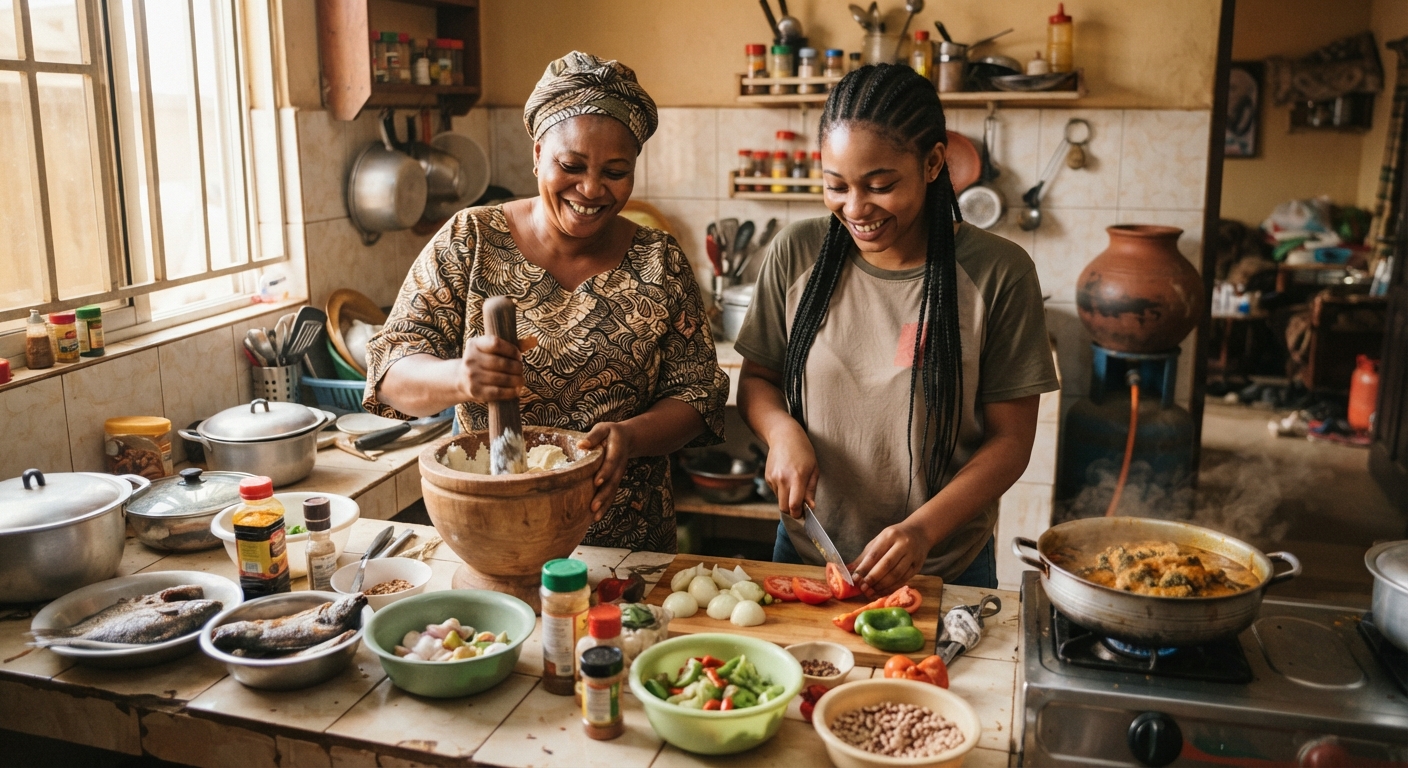
This section details the day-to-day running of your business. How will you produce your small chops? Where will you operate from? What equipment do you need? How will you handle logistics?
Key operational aspects:
- Location: Will you operate from a home kitchen initially, or rent a commercial space? Ensure compliance with food safety regulations.
- Equipment: List essential kitchen equipment (ovens, fryers, mixers, utensils, storage containers).
- Sourcing & Suppliers: Identify reliable suppliers for your ingredients. Building good relationships with suppliers ensures quality and competitive pricing.
- Production Process: Outline your workflow from preparation to cooking and packaging.
- Inventory Management: How will you manage stock to minimize waste and ensure freshness?
- Delivery & Logistics: How will you deliver small chops to clients? Will you use your own vehicle, hire a dispatch rider, or partner with a delivery service? Consider the challenges of getting food to events on time, especially in cities like Lagos or Port Harcourt. This is akin to the planning needed when booking a generator repair technician or ensuring timely service from house cleaners.
- Food Safety & Hygiene: Implement strict food safety protocols.
7. Management Team
Even if you are a solopreneur, outline your experience and skills. If you have partners or employees, describe their roles and qualifications. Highlight any relevant experience in culinary arts, business management, customer service, or marketing.
Include:
- Your background and qualifications.
- Roles and responsibilities of any team members.
- Any advisors or mentors you are working with.
8. Financial Plan
This is the backbone of your business plan. It demonstrates the financial viability of your venture and how you plan to manage your money.
Key components:
- Startup Costs: List all expenses required to start your business. This includes equipment, initial ingredient purchases, licensing fees, marketing materials, and any initial operational costs. For example, basic kitchen equipment might cost between ₦50,000 to ₦200,000.
- Operating Expenses: Ongoing costs such as ingredients, packaging, utilities, rent (if applicable), transportation, marketing, and salaries.
- Revenue Forecast: Project your sales over a specific period (e.g., 1-3 years). Base this on your market analysis, pricing, and sales strategy. Be realistic about your growth trajectory.
- Profit and Loss Projection: Forecast your expected profits and losses.
- Cash Flow Projection: Show how cash will move in and out of your business. This is crucial for managing day-to-day operations and ensuring you can meet your financial obligations.
- Break-Even Analysis: Determine the point at which your revenue equals your expenses.
Consider using budgeting tools or apps to help manage your finances effectively. Platforms like TrustAm can also help by providing secure payment processing and tracking for your income, similar to how one might manage payments for electricians or other service providers.
9. Appendix
This section can include supporting documents that strengthen your business plan, such as resumes of key personnel, permits and licenses, market research data, supplier agreements, or sample menus.
Find Verified Providers on TrustAm
Looking for trusted small chops vendors, caterers, or event planners near you? Browse verified providers with payment-backed reviews and escrow protection.
Create a Free Account →Frequently Asked Questions
How much does it cost to start a small chops business in Nigeria?
Startup costs can vary widely. A basic setup operating from home might require ₦50,000 to ₦200,000 for equipment and initial supplies. Renting a commercial kitchen or expanding your equipment list will increase this significantly.
What are the most popular small chops in Nigeria?
Popular choices include puff-puff, samosas, spring rolls, meat pies, chin chin, puff pastry snacks, plantain chips, and mini sausage rolls. Offering a mix of savoury and sweet options is generally a good strategy.
How can I market my small chops business effectively in Nigeria?
Leverage social media with high-quality visuals, network with event planners, and list your services on platforms like TrustAm. Word-of-mouth referrals and excellent customer service are also powerful marketing tools.
What are the profit margins for a small chops business?
Profit margins can be healthy, often ranging from 30% to 60% or more, depending on your pricing, ingredient costs, and operational efficiency. Careful cost management is key to maximizing profitability.
What are the legal requirements for starting a food business in Nigeria?
You will likely need to register your business name with the Corporate Affairs Commission (CAC). Depending on your location and scale, you might also need permits from local government health authorities. It's advisable to check with your local council for specific requirements.
Book a verified Small Chops
Verified providers. Payment held safe until the job is done. Reviews only from real, paid bookings.
Download TrustAm
AI-powered budgeting, instant P2P payments, and escrow protection. Built for Nigeria.
Or get a download link sent to your phone
Chisom Anen
Founder and CEO of TrustAm. Building Nigeria's reputation marketplace for verified service providers. Reviews unlock only after real payments.
Disclosure: This article is published by TrustAm. Some links may direct to our own marketplace and products.
Sources & References
- Central Bank of Nigeria— cbn.gov.ng
- National Bureau of Statistics— nigerianstat.gov.ng
- Federal Inland Revenue Service— firs.gov.ng
Related Services
Find trusted providers related to this article.
Related Articles
Free Tools You Might Find Useful
Try these free calculators and tools related to this article.