What Robots Can Learn From Watching Nigerian Tailors Work
Overview & Key Takeaways
This article explores how AI and robotics can benefit from observing the intricate skills of Nigerian tailors. It details the types of data collected by TrustAm and the potential for robots to learn complex tasks through human demonstration.
- Robots can learn fine motor skills, tool use, and complex decision-making by observing human work like tailoring.
- First-person video data captures the nuances of skilled manual labour that are hard to articulate verbally.
- Nigerian artisans, like tailors, offer a rich source of diverse and complex task data for AI training.
- TrustAm ensures data quality and ethical collection through rigorous verification and consent processes.
- The collected data can help develop more capable robots for manufacturing, repair, and other manual tasks.
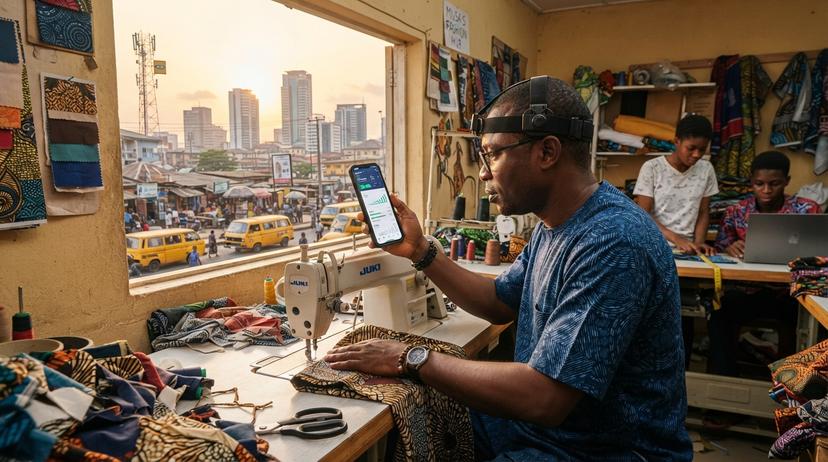
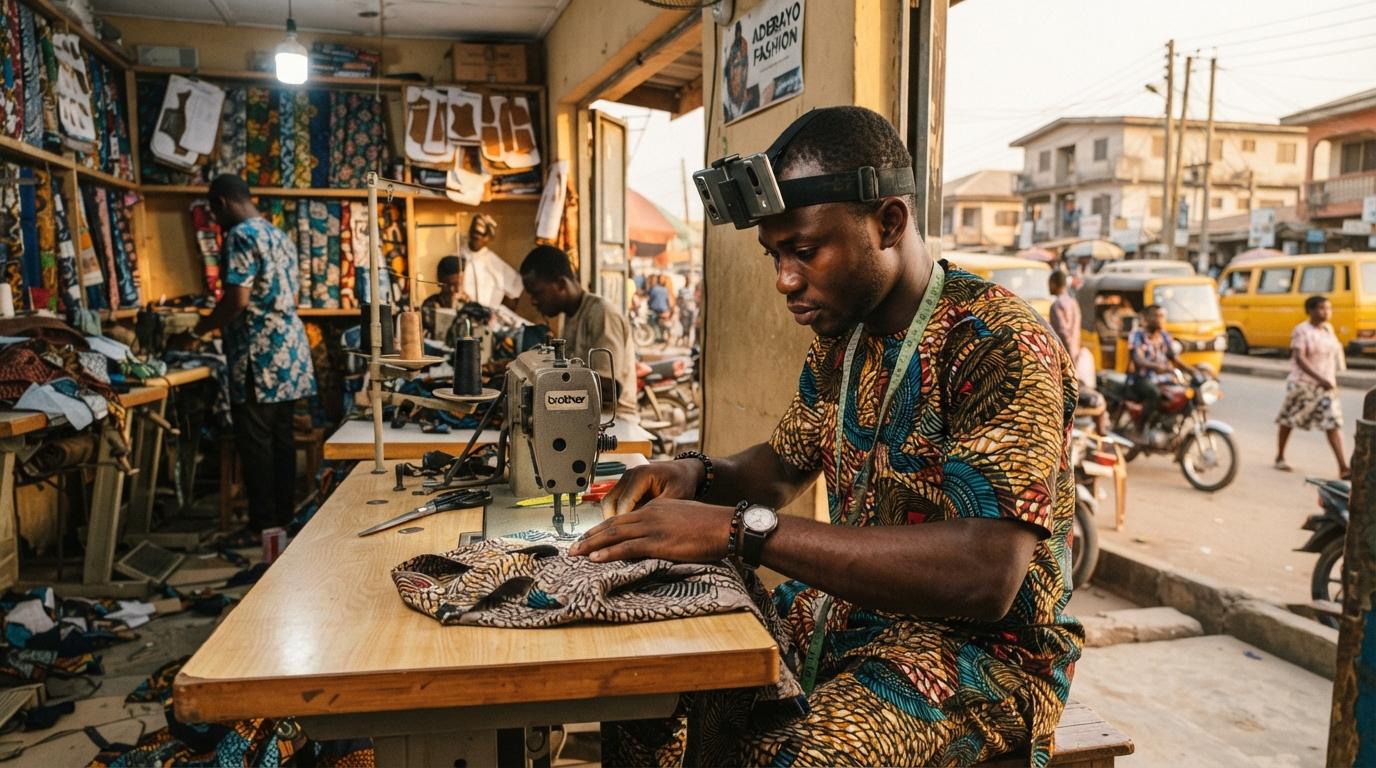
Imagine a robot that can perfectly stitch a complex garment, handle delicate fabrics, or even troubleshoot a sewing machine issue. This isn't science fiction; it's a goal that AI and robotics teams are working towards, and they can learn a great deal by watching skilled human craftspeople at work. In Nigeria, particularly in bustling centres like Aba, tailors are masters of their trade, executing intricate tasks with precision and adaptability. TrustAm collects first-person video and audio data from these artisans, providing a unique window into their world for AI development.
These observations are invaluable for training AI models. Unlike simple instructions, watching a tailor at work provides a wealth of visual and contextual information. It captures the dexterity of hand movements, the way tools are manipulated, the decision-making process when faced with different fabric types, and the problem-solving that occurs when a stitch goes awry. This kind of rich, egocentric data is crucial for teaching robots to perform complex, real-world tasks.
Why is video of Nigerian tailors useful for AI?
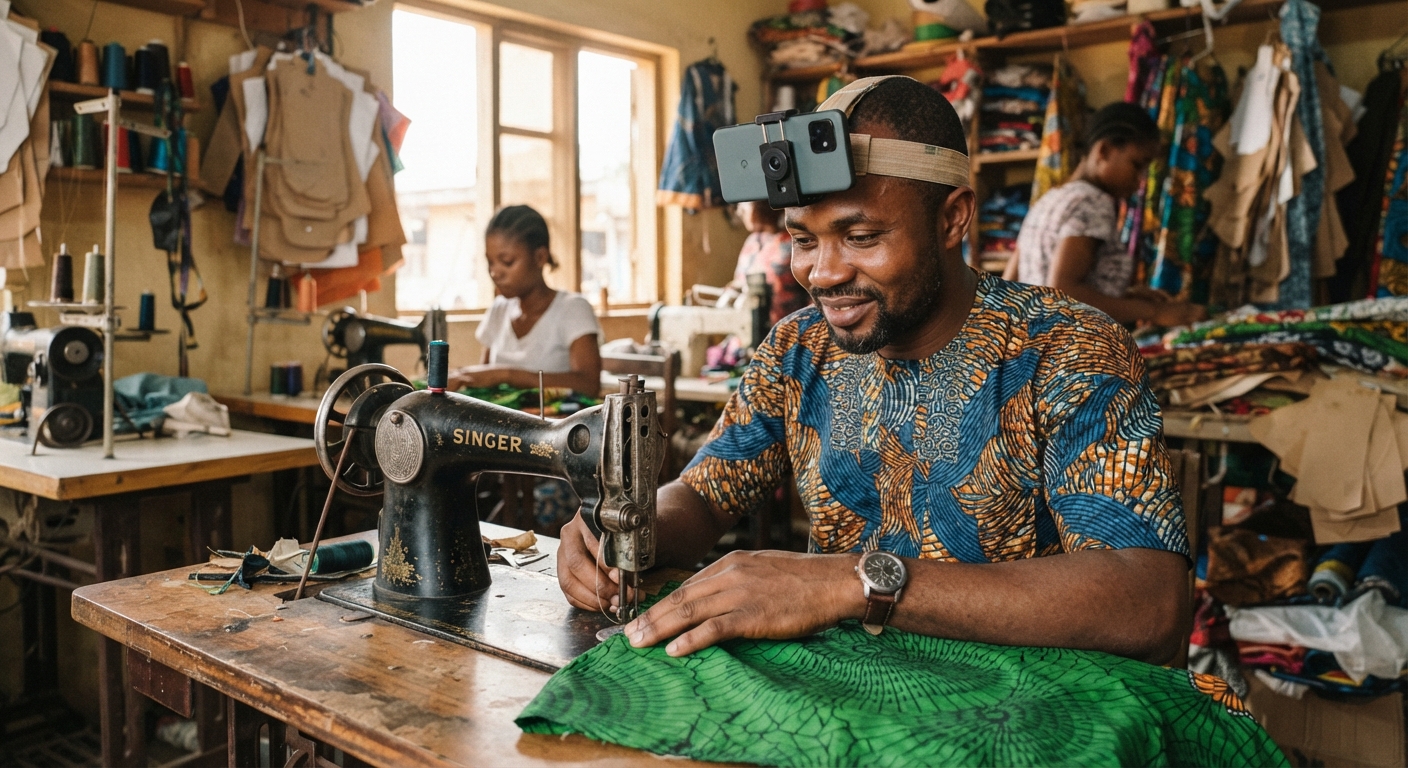
Robots need to understand the world and how to interact with it. Videos of human work, especially highly skilled manual labour like tailoring, offer a direct method for them to learn. This data captures the subtle, often unarticulated, steps involved in a task. For instance, a tailor doesn't just "sew"; they position the fabric, adjust the tension, guide the material, and often use their eyes and hands in tandem to achieve a perfect seam. These actions are difficult to describe in text alone but are clearly visible in first-person video.
The diversity of tailoring work in Nigeria also presents unique learning opportunities. From intricate traditional attire to modern fashion, tailors adapt their techniques. This adaptability is a key area where AI struggles. By observing how Nigerian tailors handle various materials, patterns, and customer requests, AI systems can learn to be more flexible and robust. This aligns with the broader trend of AI labs looking to Africa for diverse training data, as discussed in Why AI Labs Are Looking to Africa for Training Data in 2026.
Furthermore, understanding the practical challenges and solutions in real-world workshops, such as dealing with variable lighting or occasional power outages, adds another layer of realism to the data. This is why collecting data in authentic environments, like the workshops of Lagos tailors, is so vital for developing AI that can function effectively outside of a controlled lab setting.
How TrustAm Collects High-Quality Tailoring Data
To ensure the data collected from Nigerian tailors is useful for AI and robotics, TrustAm follows a strict process. For a tailor to contribute, their workplace is first registered in person by a TrustAm field agent. The owner must give consent before any recording begins, and the shop’s location is verified with a map pin and a defined boundary. This ensures the environment is legitimate and the work is representative.
Contributors use a smartphone with the TrustAm app to record their work. Before each recording session, they state a consent line on video in their chosen language. To maintain data integrity and prevent fraud, each recording starts with the contributor reading a random 3-digit code aloud while showing both hands. The app also records motion sensor (IMU) and GPS data alongside the video. Automatic checks are in place to flag issues like black frames, frozen video, or phones that are held too still, which could indicate the contributor isn't actively working.

After recording, each minute of video is reviewed by a trained human. Only approved minutes are compensated, ensuring that the data provided to AI teams is of the highest quality. Reviewers can cut segments that do not meet standards, and contributors are paid only for approved hours. This rigorous review process, detailed further in Dataset QA for Real-World Video: Approval Rates, Cut Reasons and Spot Checks, guarantees that buyers receive reliable and relevant data.
The contributors themselves are verified using their BVN or NIN, with a live selfie matched to their ID. Payments are made directly to a bank account or TrustAm account in the same name, ensuring secure and transparent transactions. This multi-layered approach to verification and quality control means that the data is not only useful but also ethically sourced and trustworthy.
What Specific Skills Can Robots Learn?
The potential skills that robots can acquire by observing Nigerian tailors are vast and directly applicable to robotics development. These include:
- Fine Motor Control: The ability to manipulate small objects like needles, thread, and fabric with precision.
- Tool Use: Learning to operate sewing machines, scissors, measuring tapes, and irons effectively.
- Material Handling: Understanding how to grip, fold, cut, and feed different types of fabric without damaging them.
- Task Sequencing: Following the correct order of operations for tasks like cutting patterns, stitching seams, and finishing garments.
- Problem Solving: Identifying and correcting errors, such as a skipped stitch or a misaligned cut, and adapting to unexpected issues.
- Spatial Reasoning: Visualizing how flat fabric pieces will form a three-dimensional garment.
- Dexterous Manipulation: Performing intricate actions like threading a needle or making small adjustments to fabric placement.
This type of data is essential for developing robots that can perform tasks in manufacturing, assembly, and even domestic settings. For instance, the Ego4D dataset, which features a vast amount of first-person video, has already shown the benefits of egocentric perspectives for learning human activities. By focusing on specific, skilled trades like tailoring, TrustAm provides highly targeted and valuable data for these advanced AI applications.
Robots trained on such data can become more versatile and capable. They could assist in garment factories, support small businesses with production, or even be used in research for new manufacturing techniques. The goal is to create robots that can not only replicate human actions but also understand the context and intent behind them, much like an experienced tailor does.
The Future of Robotics and AI Training Data
The demand for high-quality, real-world AI training data is growing rapidly. The global AI training dataset market is expanding, driven by the need for more sophisticated AI models across industries. As AI becomes more integrated into our lives, the ability to train robots to perform complex manual tasks will be critical. Datasets like those collected by TrustAm are key to this advancement, offering a glimpse into the practical application of AI in diverse cultural and economic contexts.
By capturing the expertise of Nigerian tailors, TrustAm is contributing to a global effort to build more intelligent and capable robots. This work supports initiatives like the National Artificial Intelligence Strategy in Nigeria, which aims to leverage AI for economic growth and development. The data collected is not just raw footage; it's a blueprint for teaching machines invaluable skills. As outlined in Datasheets for Datasets: How to Document AI Training Data From Nigeria, transparency and detailed documentation are crucial for the responsible development and deployment of AI.
For AI and robotics teams looking to build truly intelligent systems, understanding and replicating human dexterity and problem-solving is paramount. The skills honed by Nigerian tailors over years of practice offer a rich, untapped resource for achieving this goal. TrustAm provides a secure, ethical, and efficient way to access this valuable data.
Frequently Asked Questions
Is recording my work as a tailor safe and legal in Nigeria?
How is the data from Nigerian tailors used by AI companies?
What kind of phone do I need to record my tailoring work?
Will I be paid for all the time I record my tailoring work?
Can robots truly learn complex skills like tailoring from videos?
Need AI training data from Nigeria?
Egocentric video of skilled work and Nigerian-language speech, collected to order. Email [email protected] or request a free 10-hour sample; a person replies within one working day.
Founder and CEO of TrustAm. Building Nigeria's reputation marketplace for verified service providers. Reviews unlock only after real payments.
Disclosure: This article is published by TrustAm Data, part of TrustAm Limited. Links to /data pages are our own data service.
Sources & References
- Ego4D dataset— arxiv.org
- Nigeria Data Protection Commission (NDPC)— ndpc.gov.ng
- National Artificial Intelligence Strategy (NCAIR/NITDA)— ncair.nitda.gov.ng