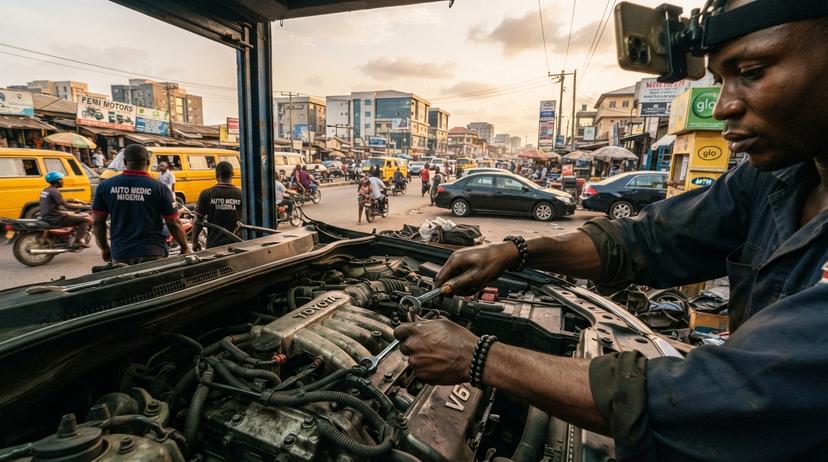
Why Skilled-Trade Video From Nigeria Matters for Embodied AI

Overview & Key Takeaways
This article explains why capturing video of skilled tradespeople in Nigeria is crucial for developing advanced AI systems, particularly for robotics. It details the unique value of this data and how TrustAm is collecting it ethically and efficiently.
- Skilled trades work in Nigeria offers rich, diverse data for training embodied AI.
- First-person (egocentric) video captures nuanced actions vital for robotics.
- Nigerian tradespeople perform tasks that require dexterity and problem-solving relevant to AI.
- Ethical data collection ensures contributor rights and data integrity.
- TrustAm provides verified, high-quality video and speech data from Nigerian workers.
Why AI Needs to See Skilled Trades in Nigeria
Artificial intelligence, especially in robotics and embodied AI, needs to learn from real-world human actions. Nigeria, with its vibrant economy and a deep pool of skilled tradespeople, presents an unparalleled opportunity to gather this crucial data. From auto mechanics in Ladipo Market to tailors in Aba, these professionals perform complex, often unseen, tasks daily. Capturing this work through video offers AI systems a window into practical problem-solving and skilled manipulation, accelerating their ability to understand and interact with the physical world.
The development of embodied AI, which focuses on giving robots physical capabilities and an understanding of their environment, relies heavily on diverse, high-quality training data. Standard datasets often lack the richness and variety found in the everyday work of skilled professionals. This is where Nigeria’s skilled trades become invaluable. The intricate movements of a phone repairer in Computer Village, the precise cuts of a tailor, or the methodical steps of a cook preparing a meal all provide unique insights into task execution and human dexterity. AI teams are increasingly looking to regions like Nigeria, not just for cost-effectiveness, but for the sheer diversity of human activity that can train more robust and adaptable AI systems. As highlighted in Why AI Labs Are Looking to Africa for Training Data in 2026, the continent offers a wealth of untapped data potential.

What is Embodied AI and Why Does It Need Your Work?
Embodied AI refers to AI systems that have a physical body, like a robot, and can interact with the real world. Unlike AI that just processes information, embodied AI needs to understand how to move, manipulate objects, and navigate environments. To achieve this, these systems learn by observing and imitating human actions. This is where the concept of first-person, or egocentric, video becomes critical. Egocentric video is recorded from the perspective of the person performing the action, closely mirroring what a robot's camera might see. This type of footage is far more informative for robots learning tasks than traditional third-person views, as it includes details like hand movements, tool usage, and the immediate environment from the actor's viewpoint. Research like the Ego4D dataset demonstrates the value of such data, with the Ego4D: Around the World in 3,000 Hours of Egocentric Video project highlighting its scale and importance.
When you record yourself performing your trade, you are providing AI with direct, unadulterated examples of how to perform complex tasks. Whether you are welding, carpentry, or cooking, the way you hold a tool, the sequence of your movements, and how you adapt to unexpected challenges are all valuable learning opportunities for AI. This practical, on-the-job training data is essential for developing AI that can eventually assist in homes, factories, and workplaces. The need for such data is global; projects like EPIC-KITCHENS have shown the power of egocentric video in understanding human activities in kitchens. For AI to truly become embodied and useful, it must learn from the widest possible range of human skills and experiences, and Nigerian trades offer a unique and vital perspective.
The Richness of Nigerian Skilled Trades for AI Training
Nigeria’s skilled trades sector is incredibly diverse and rich with actionable data. Consider the work of a tailor: the precision required to cut fabric, the dexterity to operate a sewing machine, and the problem-solving involved in fitting garments. These are skills that AI systems need to learn to perform tasks in manufacturing or assistance roles. Auto mechanics in busy markets like Ladipo demonstrate an understanding of complex machinery, diagnostic skills, and hands-on repair techniques. Phone repair technicians in places like Computer Village master intricate electronic repairs, requiring fine motor control and an understanding of small components. Even everyday tasks like cooking in a local buka provide data on food preparation, ingredient handling, and efficient kitchen workflow.
The visual and auditory data from these professions capture not just the actions, but also the context and nuances of work in Nigeria. This includes dealing with unique environmental factors, using locally adapted tools, and communicating in diverse Nigerian languages and Pidgin. This level of detail is difficult to replicate in artificial environments or with generic datasets. The Ego-Exo4D: Skilled Human Activity from First- and Third-Person Perspectives project, for instance, emphasizes the need for diverse perspectives and skilled activities to train AI effectively. By capturing this data, TrustAm is helping to build AI that is not only functional but also sensitive to diverse cultural and practical contexts. This aligns with the broader goal of making AI development more inclusive and representative, as seen in initiatives like the National Centre for Artificial Intelligence and Robotics (NCAIR)'s efforts to foster local AI innovation.

Ethical Data Collection for AI in Nigeria
Collecting data for AI training comes with significant ethical responsibilities. It is paramount that individuals contributing their work and conversations are fully informed, consent freely, and are compensated fairly. TrustAm is committed to these principles. Before any recording begins, contributors go through a rigorous verification process, including BVN or NIN checks, live selfie matching, and ensuring payment goes to an account in their name. Workplaces are registered and owners provide consent. Each recording session starts with the contributor reading a consent line in their own language. This ensures that all data collected is not only high-quality but also ethically sourced, adhering to standards that protect individuals and comply with data protection regulations like those overseen by the Nigeria Data Protection Commission (NDPC).
Furthermore, TrustAm ensures that bystanders' faces are blurred, and all participants in conversational tasks give their consent. Contributors are paid only for approved minutes, with a clear system for reviewing cut reasons and making appeals. This transparency is vital. As the ILO highlights in its reports on digital labour platforms, fair compensation and worker protection are key. TrustAm's payment model of ₦4,750 per approved hour, paid in naira to the recorder's account with no fees, reflects this commitment. All data handling follows strict protocols, with restricted access to approved recordings and secure storage of personal information. This responsible approach ensures that the valuable data collected truly benefits AI development while respecting the rights and dignity of Nigerian contributors.
How TrustAm Provides This Data
TrustAm bridges the gap between the rich, real-world data generated by Nigerian skilled trades and the needs of AI and robotics teams worldwide. We focus on collecting first-person video and Nigerian-language speech data from various professions across Lagos. Our platform is designed to capture authentic work processes, from the detailed movements of a carpenter to the conversational nuances of market traders. For AI and robotics labs looking for specific datasets, TrustAm offers tailored collection services. This includes providing free 10-hour samples to test data quality and suitability for their projects. Buyers can engage in pilot projects of 100-500 hours, with regular weekly batches and QA reports, leading to potential monthly contracts.
The data we provide is comprehensive, including blurred MP4 video (1080p30), per-clip JSON metadata, consent IDs, and QA reports. We can also deliver data in formats like LeRobot and RLDS upon request, as detailed in our guide on Delivery Formats for Robotics Datasets. TrustAm ensures that the data meets high standards through trained reviewers who approve or cut each minute, providing detailed reasons for any cuts. This rigorous review process, combined with our focus on ethical sourcing and verification, makes TrustAm a trusted partner for AI teams seeking authentic, high-quality data from Nigeria. We aim to support the growth of embodied AI by making these unique datasets accessible, fostering innovation both locally and globally. For those interested in sourcing such data, please visit TrustAm Data: real-world data from Nigeria.
Frequently Asked Questions
Is recording my work for AI training safe and secure?
How is the video data used by AI companies?
What types of work are being recorded in the Lagos pilot?
Can I record conversations as well as my work?
How are contributors compensated for their recordings?
Need AI training data from Nigeria?
Egocentric video of skilled work and Nigerian-language speech, collected to order. Email [email protected] or request a free 10-hour sample; a person replies within one working day.
Founder and CEO of TrustAm. Building Nigeria's reputation marketplace for verified service providers. Reviews unlock only after real payments.
Disclosure: This article is published by TrustAm Data, part of TrustAm Limited. Links to /data pages are our own data service.